Introduction
The most expensive lumber order is the second one — the emergency trip for the boards the first takeoff missed. This checklist is the final gate between your estimate and the purchase: every line verified before money changes hands. Work through it with your takeoff from the Pressure Treated Lumber Calculator in hand, and the delivery that arrives will be the delivery the project needs.
For the reasoning behind each check, see the common mistakes guide (what happens when you skip them) and the pro tips guide (how to do them right).
Measurements Verified
- Overall length and width measured twice, to the outside of framing — not the finished surface.
- All dimensions recorded in one unit system; any conversions double-checked (1 ft = 0.3048 m; 1 in = 25.4 mm).
- Site re-measured after any design change — no stale numbers from an earlier sketch.
- Diagonal checked for square on rectangular layouts (equal diagonals = square).
- Obstacles, slopes, and existing structures noted where they change member lengths.
Takeoff Complete
- Every member type listed: decking/pickets, joists/rails, rims, beams, posts, ledger, blocking, stair parts, gates.
- Piece counts computed with actual dimensions and real gaps — nominal used only for board-feet pricing.
- Spacing formulas verified: (run ÷ spacing) + 1 for joists/posts; width ÷ (board + gap) for decking/pickets.
- Waste applied: 10% standard, 15% for angled/complex work — then rounded up to whole purchasable lengths.
- One member hand-checked in the alternate unit system (metric vs. imperial agreement).
- Total board count sanity-checked against project size (~0.3 boards per sq ft for a typical deck).
Ratings and Materials Specified
- UC rating written on every line item — UC4A for ground contact, UC3B for above-ground exterior (see the material guide).
- Treatment type noted (ACQ/MCA) and matched to fastener spec.
- KDAT vs. standard stock decided per member (visible decking/rails vs. hidden framing).
- Grade specified where it matters (#2 and better for framing; appearance grade for visible work).
Fasteners, Connectors, and Consumables
- Nails/screws: hot-dip galvanized or stainless only, sized for the lumber (see the cost guide for budgeting).
- Structural connectors (joist hangers, post bases, ties) rated for treated lumber — counted, not assumed.
- Ledger flashing and barrier membranes where dissimilar metals or house contact occur.
- Cut-end preservative on the list (one can covers a typical deck or fence).
- Concrete mix: ~2 bags (50-lb / 22.7 kg) per post footing, counted.
Logistics and Site Readiness
- Transport confirmed for longest boards (16 ft+ needs a long rack or delivery).
- Delivery scheduled as one consolidated load; delivery fee or free-minimum confirmed.
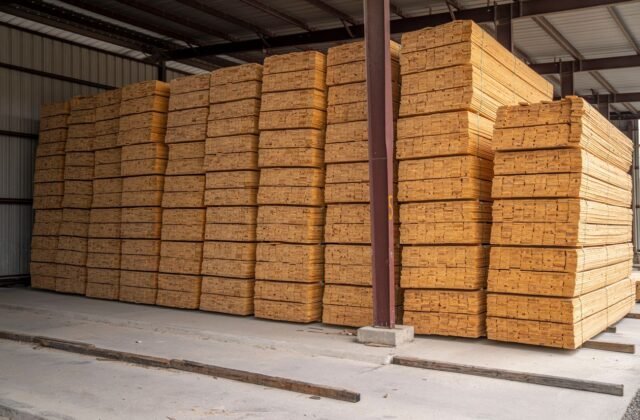
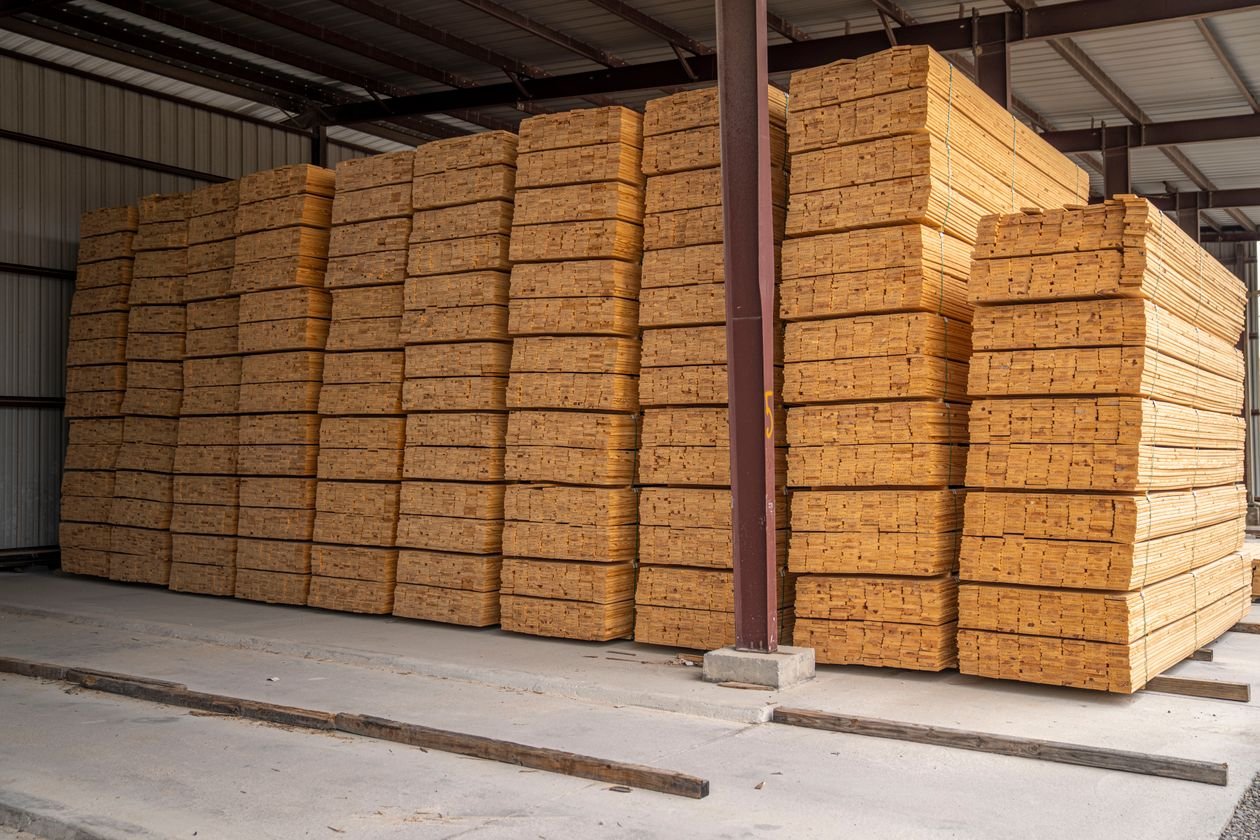
- Storage ready: stickers/skids, top cover, off the ground, out of full sun.
- Safety gear on hand: N95 dust masks, eye protection, gloves — plus a plan for offcut disposal (never burn treated lumber).
- Tools confirmed: saw(s), drill/driver, level, chalk line, auger or digger for posts; rentals booked.
Money and Paperwork
- Prices checked at two or more suppliers within the week of purchase — screenshot or print each quote for the project file.
- Full budget built: lumber + fasteners + concrete + stain + delivery + rental + permit fees + 10% contingency.
- Permit requirements confirmed with the local building authority; inspections scheduled per their stages (see the code compliance guide).
- HOA or neighbor approvals secured where applicable (fences especially).
- Stain/finish purchase deferred until the water-drop test passes — not bought with the lumber.
At Delivery: Day-Of Checks
- Count before the truck leaves. Verify every line item against the order — shortages discovered after delivery become a second delivery fee.
- Spot-check end tags. Confirm the UC rating on a sample of posts (UC4A) and framing (UC3B); substitutions happen at the yard, not at your house.
- Reject on the spot. Boards with severe twist, large edge knots, or splits go back on the truck now — this is what the waste allowance paid for, and replacements are free today.
- Note the moisture. If boards are dripping wet, plan extra drying time before staining and stack with particular care.
- Photograph the delivery ticket alongside the stacked lumber — your record if counts or grades are disputed later.
After the Order Arrives
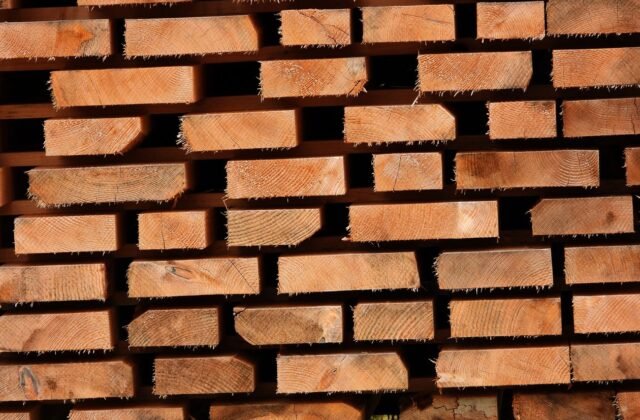
- Sticker-stack the pile the same day: off the ground, spacers between layers, top covered, sides open to air.
- Cut-end preservative, fasteners, and concrete staged before the first cut — a build that pauses for a hardware run loses its weekend.
- Confirm the inspection schedule with your building authority if permits were required; footing inspections happen before concrete, not after.
- Re-run the takeoff once against the delivered count — if the yard shorted a line, you want to know before the framing is half up.
One Last Look
With every box checked, read the order aloud line by line — sizes, quantities, UC ratings — against the takeoff. Misread lines (“2×8” heard as “2×10”, “38” written as “28”) are the last remaining failure mode, and hearing the numbers catches what eyes skip. Then place the order, keep the delivery ticket with this checklist, and file both with your permit paperwork. The project now starts with the rarest thing in construction: no surprises.
Related Guides
- Complete Guide — the full overview of PT lumber estimating.
- Estimating Guide — build the takeoff this checklist verifies.
- Pro Tips — buying and handling practices behind the checks.
- Common Mistakes — what each unchecked box risks.
- Code Compliance — permits and inspection stages.
- FAQ — quick answers on PT lumber ordering.
Get Your Number
Print this page, walk it with a pen, and don’t order until every box is checked. Then run your final dimensions through the Pressure Treated Lumber Calculator one last time — numbers have a way of drifting between the sketch and the store. A checked list today is a project that finishes on the weekend it was supposed to.
Disclaimer: Calculator results are planning estimates only — actual material needs vary with site conditions, cutting losses, board quality, and product availability. Verify quantities and pricing with your supplier, check local building requirements, and consult a licensed professional for structural or code-related decisions.