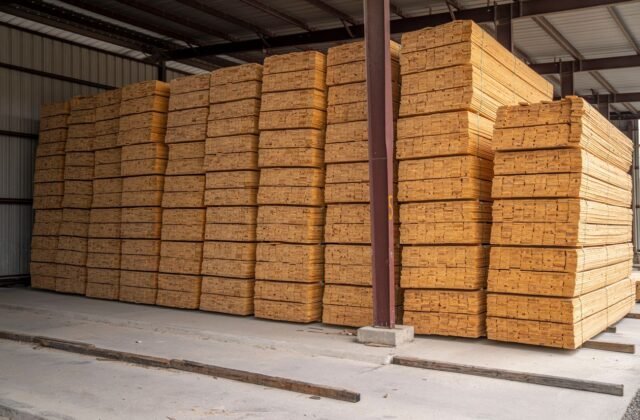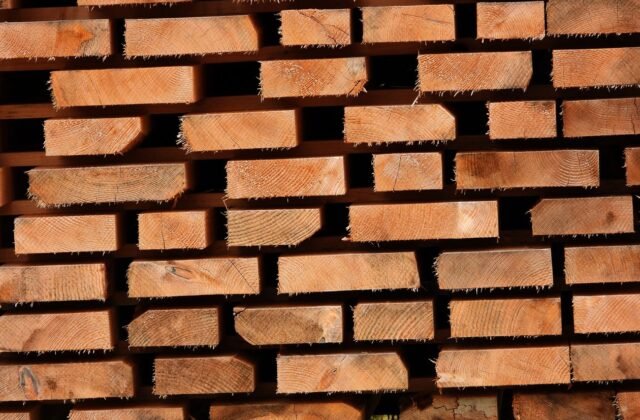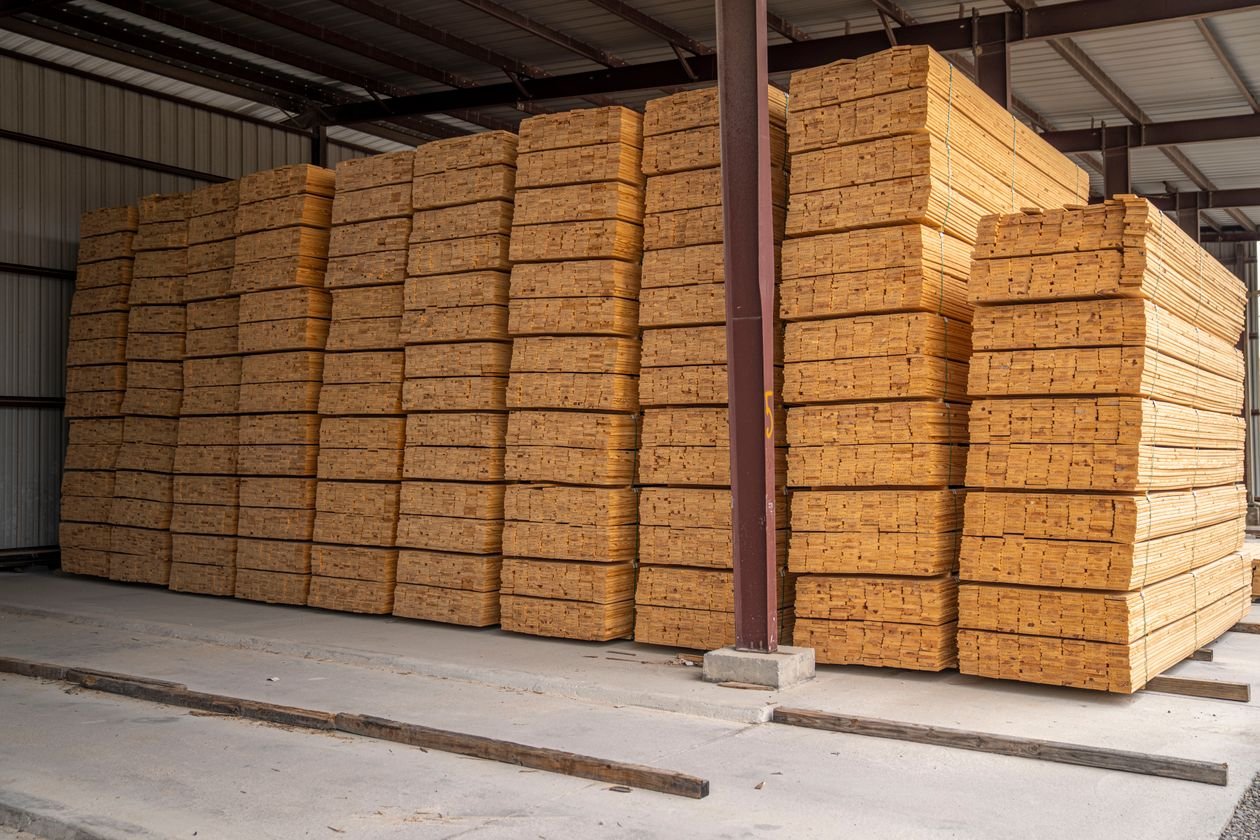
Introduction
Pressure-treated lumber is forgiving stuff — but the mistakes people make with it are remarkably consistent, and most of them surface years later as rot, twist, or fastener failure rather than on installation day. The good news: nearly every one is an estimating or specification error, which means it’s preventable on paper before a single board is bought.
The Pressure Treated Lumber Calculator gets your counts right; this guide makes sure the counts are for the right material, installed the right way. Each mistake below includes the fix — and where the correct practice is covered in depth, you’ll find the link.
The 10 Most Common Mistakes
1. Burying above-ground-rated lumber
The classic: UC3B deck boards or joist stock used for fence posts or buried post bases. Above-ground treatment carries roughly a third of the preservative retention of ground-contact stock (0.15 vs. 0.40 pcf for ACQ in southern pine) — buried, it can rot in under a decade. Fix: anything touching soil, concrete-at-grade, or within about 6 in (150 mm) of soil gets UC4A or higher. Verify on the end tag, not the sales sign. The material guide details every use category.
2. Leaving field cuts unsealed
Pressure treatment penetrates from the surface inward, so every saw cut exposes the least-protected wood at the center — exactly where a post meets soil. Fix: brush copper-based end-cut preservative on every field cut, especially post bottoms and buried ends. A $12 can protects a $2,000 fence.
3. Fastening with the wrong metal
Plain steel nails, electro-galvanized screws, or non-rated hangers in ACQ/MCA lumber corrode — sometimes within a few seasons in wet climates. The structure doesn’t fail at the wood; it fails at the rusted connector. Fix: hot-dip galvanized (ASTM A153) or stainless steel fasteners and connectors throughout; keep aluminum flashing separated from direct contact. See the pro tips guide for the full fastening rules.
4. Estimating with nominal dimensions
A “6-inch” decking board is 5.5 in (140 mm); a “2×4” is 1.5 × 3.5 in. Takeoffs built on nominal widths undercount boards across a deck by ~8% — you’ll be a dozen boards short on a 16 ft run. Fix: use actual dimensions for all spacing math. (Board-feet pricing is the one place nominal is correct — see the formula guide.)
5. Forgetting the gap in board counts
Decking at 5.5 in boards with no gap allowance, or pickets calculated at exactly 5.5 in pitch — then the last board doesn’t fit or the fence runs long. Fix: spacing = board width + gap (1/4 in / 6 mm for decking; whatever reveal the design calls for on fences).
6. Zero (or fantasy) waste allowance
Ordering the exact geometric count assumes every board is straight, every cut lands perfectly, and no board gets culled. PT lumber arrives wet and some pieces will twist or check. Fix: 10% waste for typical decks and fences, 15% for angled work or first-time builders. The estimating guide shows waste applied to a real takeoff.
7. Mixing UC ratings inside one structure
UC4A posts with UC3B beams is correct; the mistake is unspecified mixing — ordering “treated 2×8s” and receiving UC3B for a beam that sits near grade, or a supplier substituting down. Fix: write the UC rating next to every line item on the order, and check end tags at delivery.
8. Staining or sealing too soon
Coating wet PT lumber traps moisture under the film — peeling within a season, blamed on the stain. Fix: wait for the water-drop test (sprinkled water soaks in, doesn’t bead) or a meter reading below ~19% before finishing. KDAT stock shortens the wait to days.
9. Under-counting the “small” members
Blocking between joists, rim boards, stair stringers, post caps, and gate framing routinely add 10–15% to the board count — and they’re discovered mid-build when the yard is closed. Fix: list every member type in the takeoff before summing; a written pre-order checklist has a line for each.
10. Pricing lumber but budgeting nothing else
The lumber quote is roughly two-thirds of a DIY project’s material cost. Concrete, galvanized or stainless fasteners, connectors, flashing, cut-end preservative, stain, delivery, and tool rental make up the rest — skip them and the “budget” is fiction. Fix: build the full budget with the cost guide before committing to a design.
How Mistakes Compound
These errors rarely travel alone. Nominal-dimension math plus zero waste plus unculled wet boards is how a “34-board” deck needs a second 20-board trip. Wrong fasteners plus unsealed cuts is how a fence looks fine at year two and leans at year seven. Underspecified ratings plus a vague purchase order is how UC3B ends up in the ground despite everyone’s intentions. The pattern: each mistake is small, but they multiply — and they multiply in the same direction, toward shortfalls, callbacks, and early failure.
The defense is equally compounding. A careful takeoff — right ratings, actual dimensions, real gaps, honest waste — eliminates most of these errors in an afternoon with the calculator, and each correct practice makes the others easier to verify: when the rating is written on the order, the delivery check takes seconds; when waste is in the count, a culled board is a non-event.
Related Guides
- Complete Guide — the full overview of PT lumber estimating.
- Pro Tips — buying, drying, storing, and cutting done right.
- Material Guide — UC ratings, treatments, and species explained.
- Estimating Guide — step-by-step takeoff with a worked example.
- Code Compliance — ground-contact rules and permit basics.
- FAQ — quick answers to common PT lumber questions.
Get Your Number
The cheapest time to fix every mistake above is before ordering. Run your dimensions through the Pressure Treated Lumber Calculator, then audit the result against this list: ratings specified per member, actual dimensions, gaps included, waste added, cuts to be sealed, fasteners compatible. Ten minutes of checking beats a second delivery — or a rebuild.
Disclaimer: Calculator results are planning estimates only — actual material needs vary with site conditions, cutting losses, board quality, and product availability. Verify quantities with your supplier, check local building requirements, and consult a licensed professional for structural or code-related decisions.