Introduction
Every homeowner who’s priced a $10,000 HVAC install has done the same mental math: the equipment costs $5,000, so where does the other $5,000 go — and could I keep some of it? It’s a fair question. The honest answer is that some HVAC work is genuinely DIY-friendly, some is legally restricted to licensed professionals, and the line between them isn’t about skill — it’s about refrigerant law, gas safety, electrical code, and permits.
Use the HVAC Cost Calculator to see the professional installed total for your project first. Then this guide draws the DIY/pro line precisely, so you know exactly which tasks can save you money and which ones can cost you far more than they save.
What You Can Realistically DIY
These tasks are safe, legal, and genuinely save money:
- Thermostat replacement: swapping a thermostat is a 30-minute job — low-voltage wiring, well documented, typically $100–$350 in DIY savings versus a pro visit. (Verify compatibility with your system first, especially with communicating/variable-speed equipment.)
- Filter changes: the highest-value maintenance in HVAC. Monthly checks during heavy-use seasons; a $5–$20 filter protects thousands in equipment.
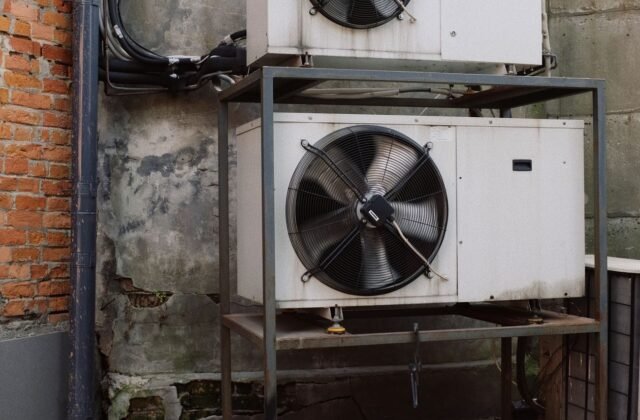
- Condenser upkeep: keeping the outdoor unit clear of vegetation (2 ft / 60 cm clearance), gently hosing the coil fins, and keeping the pad level. No tools beyond a garden hose.
- Condensate drain maintenance: flushing the drain line with vinegar or a wet-vac prevents the clogs behind a large share of “my AC stopped working” service calls.
- Register and grille cleaning: vacuuming supply and return grilles improves airflow measurably in dusty homes.
- Basic duct sealing (accessible runs): mastic or foil tape on accessible duct joints in attics and crawl spaces — not a substitute for professional duct renovation, but real savings on leaky, reachable ducts.
Total realistic DIY savings on a project: a few hundred dollars, mostly by handling the thermostat, prep work (clearing access, pouring a pad), and all ongoing maintenance yourself.
What Requires a Licensed Professional
These are restricted by law, code, or safety — not by gatekeeping:
- Refrigerant handling: federal law (EPA Section 608) requires certification to handle refrigerants. This covers the core of every AC, heat pump, and mini-split install: evacuation, charging, leak repair, and recovery of the old charge. No legal DIY path exists for the refrigeration circuit.
- Gas piping and combustion work: furnace gas connections, flue venting, and combustion setup. Mistakes here cause carbon monoxide exposure or fire — and gas work generally requires permits and licensed installers.
- Electrical work beyond the thermostat: new 240V circuits, disconnects, and panel work require an electrician (often a separate license from the HVAC contractor) and inspection.
- Permitted equipment replacement: most jurisdictions require a mechanical permit for equipment changeouts, and permits are issued to licensed contractors, not homeowners, in many areas.
- System commissioning: verifying refrigerant charge, airflow, static pressure, and combustion — the measurements that determine whether the equipment delivers its rated efficiency and lifespan. This is skilled diagnostic work with specialized instruments.
The code compliance guide details the permit and licensing landscape, which varies by state and municipality.
The Real Cost Comparison
| Approach | Typical cost picture | What you get |
|---|---|---|
| Full professional install | Equipment + 30–50% labor + permits + extras | Warranty (parts + labor), permits, inspection, commissioning, liability coverage |
| Pro install + DIY prep/finishing | Save ~$300–$800 | You handle thermostat, pad, clearing access, old-equipment prep; pro does everything restricted |
| DIY equipment purchase + hired labor | Risky savings | Online equipment often lacks full manufacturer warranty without pro purchase/install; labor-only contractors are hard to find and schedule |
| Full DIY install | Not viable for central systems | Illegal refrigerant work, no permits, voided warranties, safety risks, insurance exposure |
The tempting middle path — buying equipment online cheaply and hiring labor separately — usually disappoints: most reputable contractors won’t warranty equipment they didn’t supply, manufacturer warranties often require purchase through authorized channels, and the “cheap” equipment price rarely survives the added labor-only markup. Get the equipment-through-contractor quote and the real comparison is clearer.
Mini-Splits: The Special Case
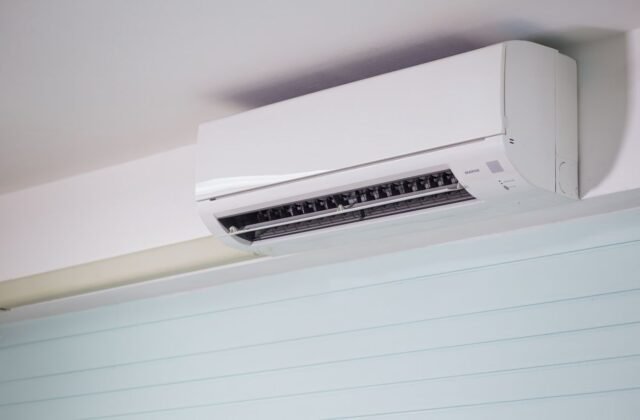
Ductless mini-splits occupy a gray zone. Pre-charged “DIY” line sets with quick-connect fittings are marketed to homeowners, and the mechanical work is genuinely simpler than a central system. But the caveats are substantial: many jurisdictions still require permits and licensed installers regardless of the fitting type, manufacturer warranties on DIY-installed units are often limited or void, and improper evacuation (skipped or done poorly) is the leading cause of early compressor failure. A “DIY” mini-split that dies in year four is the most expensive mini-split. If you go this route, verify permit rules and warranty terms before buying — not after.
Where DIY Actually Pays
The highest-return DIY involvement isn’t installing equipment — it’s project management. Getting three itemized quotes, verifying the load calculation, checking the contractor’s license and insurance, and handling the thermostat and maintenance yourself captures most of the available savings with none of the legal or safety risk. The pro tips guide and the planning checklist are built around exactly this approach: an informed owner hiring a good pro beats a DIY installer every time.
Related Guides
- Complete HVAC Cost Guide — the full overview with a worked example.
- HVAC Cost Breakdown — what professional labor covers.
- Code Compliance Guide — permits and licensing requirements.
- Pro Tips — getting maximum value from a pro install.
- Common Mistakes — errors that erase any DIY savings.
- HVAC Cost Calculator FAQ — quick answers to common questions.
The Smart Split
DIY the maintenance, the thermostat, and the project management. Hire a licensed pro for the refrigerant, gas, electrical, and permitted work — that’s what the 30–50% labor share buys, along with warranties, inspections, and accountability. Price the professional job with the HVAC Cost Calculator, then shave the edges yourself where it’s safe and legal to do so.
Disclaimer: Licensing, permit, and code requirements vary by state and municipality; some jurisdictions restrict even minor HVAC work to licensed professionals. Verify local requirements with your building authority and consult a licensed HVAC professional before attempting any installation work. Refrigerant handling requires EPA certification under federal law.