Introduction
Ask three contractors what a new HVAC system costs and you may get three answers thousands of dollars apart — and all three can be honest. The spread exists because an “HVAC cost” is really five costs stacked together: equipment, labor, ductwork, permits, and extras. Once you know what each bucket typically holds, the quotes start making sense and the outliers become easy to spot.
The HVAC Cost Calculator turns those buckets into a single planning total: pick your equipment type and capacity, and it estimates equipment plus labor with the major add-ons itemized. This guide explains what goes into each bucket, with typical US planning ranges and the factors that push costs up or down.
The Five Cost Buckets
Every residential HVAC project — replacement or new install — breaks down the same way:
- Equipment: the furnace, air conditioner, heat pump, or mini-split units themselves.
- Labor: the installation crew’s time, typically 30–50% of the total installed cost.
- Ductwork: new, repaired, or modified ducts, when the job needs them.
- Permits and inspections: mechanical permits and the inspection that follows.
- Extras: thermostats, electrical upgrades, refrigerant line sets, condensate work, and similar add-ons.
Quotes that seem “too cheap” usually have one of these buckets missing or minimized. Always ask which are included. The step-by-step math for combining them is covered in the formula-explained guide.
Equipment Costs
Equipment-only typical US planning ranges. Installed totals add labor (30–50%), ductwork, permits, and extras on top.
| Equipment type | Typical equipment cost | Typical installed range |
|---|---|---|
| Gas furnace | $2,000–$6,000 | $3,500–$10,000+ |
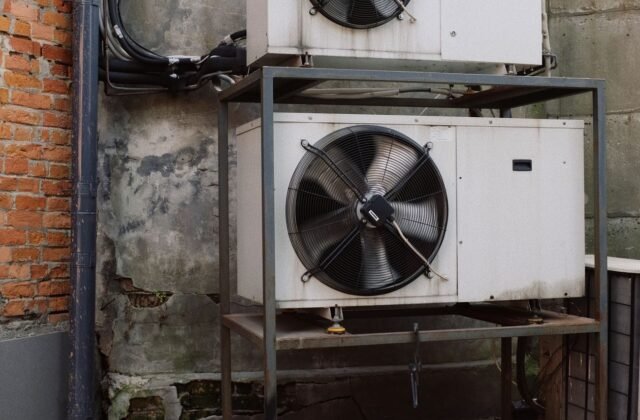
| Central air conditioner | $3,000–$7,000 | $5,000–$12,000+ |
| Heat pump (split system) | $4,000–$8,000 | $6,500–$13,000+ |
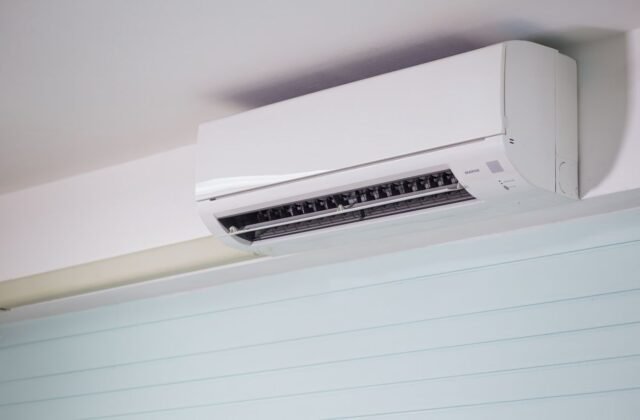
| Ductless mini-split | $1,500–$4,000 per zone | $2,500–$6,000+ per zone |
The bottom of each range buys basic single-stage equipment with standard efficiency; the top buys two-stage or variable-speed equipment with premium efficiency ratings. A full furnace-plus-AC system combines both rows, which is why whole-system replacements commonly land in five figures.
Labor: The 30–50% Rule
Installation labor typically accounts for 30–50% of the total installed cost. That share covers the crew’s time, but also the business costs wrapped into a professional install: refrigerant handling (EPA-licensed), gas and electrical work, system commissioning, and warranty administration.
Jobs that land at the high end of the labor share:
- Homes with no existing ductwork or no existing equipment pad.
- Attic or crawl-space installs with difficult access.
- Long refrigerant line-set runs or complex venting routes.
- Electrical panel upgrades or new 240V circuits (common with heat pumps and mini-splits).
- High cost-of-labor markets — coastal metros can run 20–30% above national averages.
Labor is also why DIY looks so tempting and usually isn’t (see the DIY vs pro guide): the labor bucket includes licensed work that is illegal or unsafe to do yourself.
Ductwork Costs
Ductwork is the most common budget surprise. Typical planning figures:
| Ductwork scope | Typical cost |
|---|---|
| Sealing and minor repairs | $300–$1,000 |
| Partial replacement or added runs | $1,000–$3,000 |
| Full new duct system, average home | $1,000–$5,000 |
| Full duct system, large or complex home | $5,000+ |
If your existing ducts are more than 15–20 years old, leaky, or undersized for the new equipment, budget for duct work rather than hoping the old ducts will do. Undersized ducts on new high-efficiency equipment are one of the classic ways a good system delivers bad results.
Efficiency Premiums: SEER2 and AFUE
Efficiency ratings move both the equipment price and the operating cost:
- SEER2 rates cooling efficiency. Minimums vary by region (roughly 13.4–15.2 SEER2 for new split systems); premium units reach 20+ SEER2.
- AFUE rates furnace efficiency as a percentage. Standard furnaces run 80% AFUE; high-efficiency condensing furnaces reach 95–98%.
- HSPF2 rates heat pump heating efficiency — worth comparing if you heat with a heat pump in a cold climate.
Higher-efficiency equipment costs more upfront — the premium can run from several hundred to several thousand dollars depending on the jump — but uses less energy every year it runs. Whether the premium pays back depends on your climate, your utility rates, and how long you’ll own the home. A quick payback sketch: annual energy cost ≈ capacity (kW) × run hours × electricity rate ÷ efficiency. In hot climates with expensive electricity, high SEER2 pays back fast; in mild climates, the math is thinner.
Permits, Inspections, and Extras
Mechanical permits typically cost a few hundred dollars and vary by jurisdiction — dense urban areas with plan review cost more than rural counties with over-the-counter permits. Budget a few hundred dollars and confirm with your local building department, since the code compliance guide explains that permit rules differ everywhere.
Common extras and their typical planning ranges:
- Thermostat: $100–$500+ installed, from basic programmable to smart/learning models.
- Electrical upgrades: $200–$600 for a new 240V circuit; $1,000–$2,500+ for a panel upgrade.
- Refrigerant line sets (mini-splits, long runs): $200–$800 per run.
- Condensate pump or drain rework: $100–$400.
- Equipment pad or stand: $100–$300.
- Old equipment haul-away and refrigerant recovery: often included, sometimes $100–$300.
Replacement vs New Install Pricing
A replacement reuses existing ductwork, gas piping, and electrical service, so you pay mostly for equipment and labor. A new install in a home without that infrastructure adds ducts, circuits, and sometimes a panel — commonly several thousand dollars more. When comparing your situation to published averages, check which scenario the average describes; most national “average HVAC cost” figures assume replacements with usable ducts.
The estimating guide walks through building both scenarios line by line, and the hypothetical case study shows a full line-item budget for a realistic project.
Regional Variation
All ranges above are national US planning figures. Expect real quotes to differ by market: labor-heavy coastal and metro markets commonly run 15–30% above these ranges, while lower-cost regions may come in below. Equipment prices also swing with supply, season (shoulder seasons are often cheaper), and manufacturer promotions. Get at least three local itemized quotes — the ranges in this guide tell you whether a quote is plausible, not what your specific job will cost.
Related Guides
- Complete HVAC Cost Guide — the full overview with a worked example.
- Cost Formula Explained — the sizing and pricing math step by step.
- Equipment & Material Guide — every equipment type and what it costs.
- Estimating Guide — build your own line-item estimate.
- Pro Tips — how to get the best price without cutting corners.
- HVAC Cost Calculator FAQ — quick answers to common cost questions.
Get Your Number
HVAC costs stop being mysterious once you separate the five buckets: equipment, labor, ductwork, permits, and extras. Price each one with the ranges above, sanity-check the total against the HVAC Cost Calculator, and then collect itemized local quotes to replace the planning numbers with real ones.
Disclaimer: All costs in this guide are typical US planning ranges and vary with equipment selection, labor markets, site conditions, and region. Verify permit and code requirements with your local building authority and consult a licensed HVAC professional before making purchasing or installation decisions.