Introduction
Roofing looks deceptively doable from the ground — and the labor line on a quote, often roughly half the total, tempts every handy homeowner to ask: could I do this myself? The honest answer is layered. Some roofing work is genuinely reasonable DIY; a full replacement usually isn’t; and the deciding factors are safety, skill, and what a mistake costs. This guide draws the line carefully so you can decide from knowledge rather than optimism.
The Roofing Cost Calculator estimates your project’s quantities and cost — including the labor component you’d be attempting to replace. Use it to put a real number on the potential savings before weighing them against the risks below.
Safety First: The Non-Negotiable Part
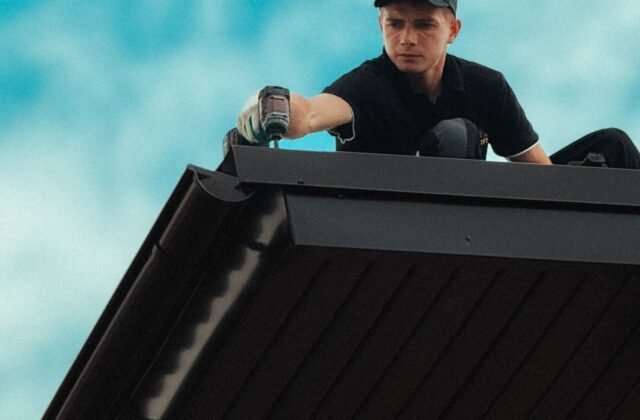
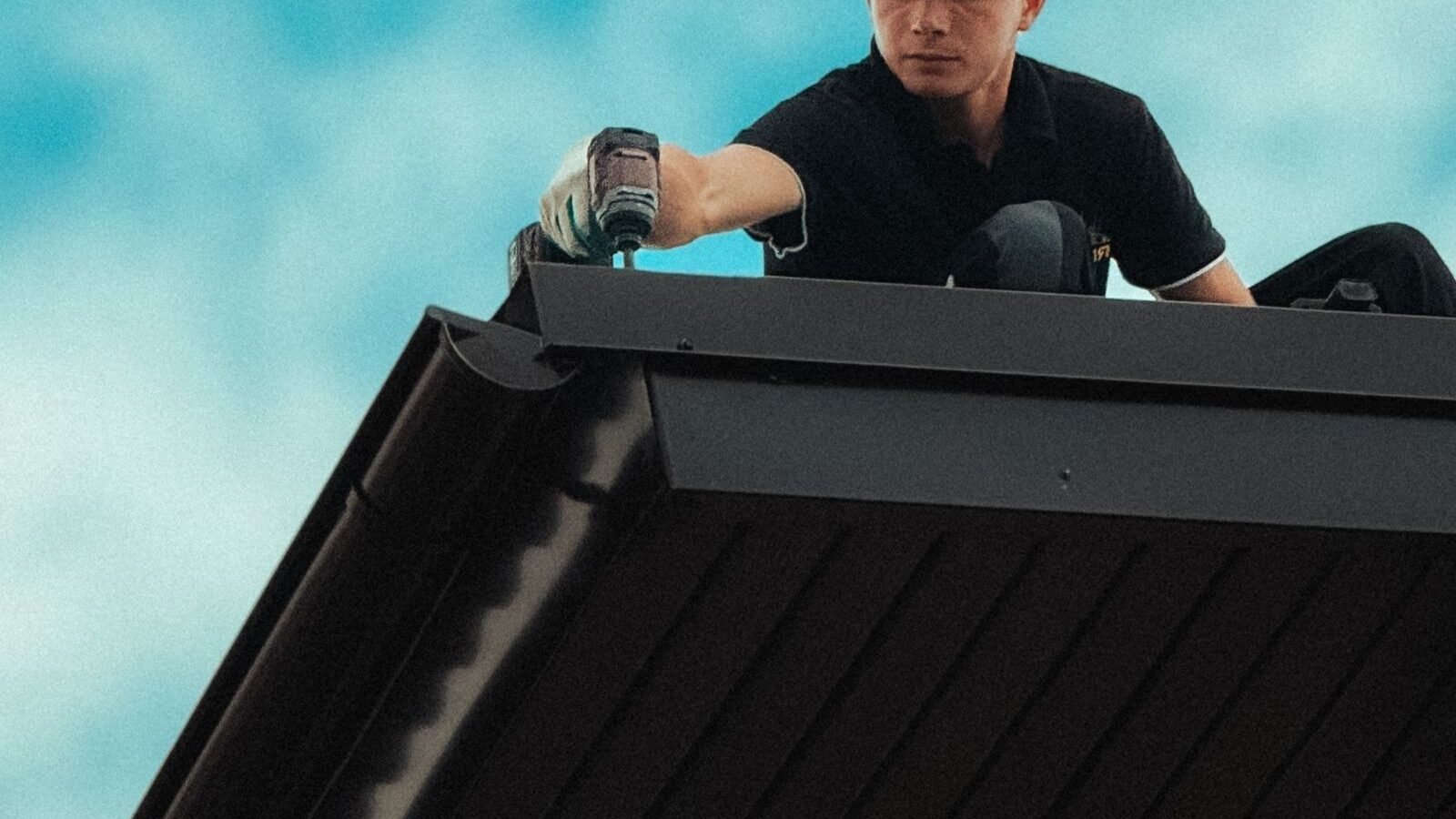
Falls are the leading cause of fatalities in construction, and residential roofs are where a large share happen. A fall from a single-story eave (~10–12 ft / 3–3.7 m) can kill or permanently disable; from a second story, the odds get dramatically worse. Professional roofers work with fall-protection systems — harnesses, anchors, lifelines — installed to regulatory standards, and they do it daily.
Before considering any roof work yourself, understand this plainly:
- Steep roofs are pro territory, full stop. Anything around 8/12 (≈ 33.7°) and steeper, or any multi-story roof, should not be a DIY project. The physics of a slip on a steep pitch gives you no recovery time.
- Fall protection isn’t a rope from the hardware store. Proper systems need rated anchors, correct harness fit, and knowledge of fall clearance — a wrong setup can be worse than none.
- Weather and surface conditions change everything. Morning dew, loose granules, and heat-softened shingles all reduce traction unpredictably.
- Never work alone on a roof. If something goes wrong, a ground observer who can call for help is the minimum.
If reading that list made the project feel less appealing, that’s the list working as intended. The savings on a quote are real money; so is the risk.
What DIY Can Reasonably Cover
There is legitimate, valuable owner-involved roofing work — it just isn’t usually the full replacement:
- Measuring and estimating. Footprint, pitch, and quantities from the ground and attic — the entire estimating guide is DIY-safe and makes you a sharper buyer.
- Minor repairs on low, walkable roofs. Replacing a few wind-damaged shingles, resealing a pipe boot, or clearing debris from valleys — on a single-story roof with a gentle pitch (say 4/12 / 18.4° or less), in dry conditions, with proper footwear and a spotter.
- Ground-level prep and cleanup. Moving patio furniture, trimming branches back from the roof, protecting landscaping, and doing the magnetic nail sweep afterward — real labor savings with zero fall exposure.
- Attic-side work. Checking deck condition from inside, photographing problem areas, verifying ventilation — all safely done under the roof rather than on it.
- Quote management. Collecting itemized bids, checking references, verifying licenses — the highest-return “DIY” of all, per the cost guide.
Where DIY Stops: The Full Replacement
A complete tear-off and re-roof is a different animal from repairs. Consider what it actually demands:
- Pace against weather. A pro crew strips and re-covers a house in a day or two; a DIYer takes a week or more — and every night the torn-off roof must be weather-tight. One unexpected storm on an exposed deck erases all savings.
- Tear-off labor. Stripping is brutal, heavy work, and disposal (dumpster logistics, weight limits) is a project in itself.
- Technical details. Valleys, flashing, and penetrations are where roofs fail, and they’re the hardest parts to learn on the job. A pro’s flashing details come from hundreds of repetitions.
- Code and inspection. Most jurisdictions require permits and inspections for re-roofing; some effectively require licensed installers for the permit to be issued. An unpermitted DIY roof can fail a future home inspection or complicate insurance. See the code compliance guide.
- Warranty. Manufacturer warranties often require installation to specification by qualified installers; DIY installation can void material warranties, leaving you with the worst of both worlds — your labor and no coverage.
The realistic middle ground many homeowners choose: do the measuring, estimating, material research, and contractor vetting themselves, and hire licensed pros for the roof work. You capture much of the “informed buyer” savings with none of the fall risk.
Honest Cost Comparison
DIY eliminates the labor line — often roughly half the project — but adds costs of its own:
| Factor | DIY | Professional |
|---|---|---|
| Labor cost | Your time (weeks, not days) | Crew of 4–8, 1–3 days typical |
| Material pricing | Retail; no trade discount | Trade pricing, often 10–20%+ below retail |
| Tools & equipment | Nailer, compressor, tear-off tools, dumpster, safety gear — purchased or rented | Included |
| Waste/errors | Higher for first-timers; misordered materials common | Experienced ordering, lower waste |
| Warranty | Material warranty may be limited; no workmanship warranty | Material + contractor workmanship warranty |
| Risk | Fall injury, weather exposure, code issues | Licensed, insured; risk transferred |
Run both scenarios through the calculator: full project cost versus materials-only plus tool rental. The gap is usually narrower than the labor line alone suggests — and it values your time at zero, which it isn’t.
If You Hire: Vetting Questions That Matter
- Licensed and insured in this jurisdiction? (Verify, don’t just ask.)
- How many layers will you tear off, and is disposal included?
- Exact materials by brand and product line — underlayment, ice shield, flashing, ventilation?
- What is the workmanship warranty, and what voids the manufacturer’s warranty?
- How are deck repairs priced if found during tear-off?
- Who supervises on-site, and what’s the weather contingency plan?
- Can you provide local references from the last year?
More on structuring the hiring process — timing, negotiation, and delivery inspection — in the pro tips guide, and a day-by-day accountability structure in the re-roofing checklist.
Related Guides
- Code Compliance — permits, layer limits, ice barriers, and wind ratings to verify locally.
- Pro Tips — trade-style advice for measuring, ordering, and timing a re-roof.
- Cost Guide — what each line of a roofing quote covers and how to budget for it.
- Re-Roofing Checklist — everything to confirm before, during, and after the job.
- Common Mistakes — the estimating errors that inflate or deflate a roofing budget.
Frequently Asked Questions
Is it legal to roof my own house?
Often yes for your own primary residence, but permits and inspections still apply in most jurisdictions, and some localities restrict roofing work to licensed contractors. Check with your building authority before assuming — “it’s my house” isn’t a permit.
What’s the most dangerous part of DIY roofing?
The tear-off and the steep-slope work, in that order. Tear-off involves unstable footing on old material; steep slopes punish any slip instantly. Both are why these phases belong to insured professionals with fall protection.
Can I save money by doing the tear-off myself and hiring for installation?
Some contractors allow it, but many won’t warranty work over a deck they didn’t strip — they can’t verify what they didn’t expose. Discuss it upfront; a contractor who discovers your tear-off damaged the deck will charge to fix it anyway.
Does DIY void the shingle warranty?
It can. Many manufacturer warranties require installation per their specifications, and some distinguish between professional and owner installation. Read the warranty terms of the specific product before deciding — the warranty has real dollar value.
Choose the Role That Fits the Risk
The smartest roofing DIY is everything around the roof work: measure it, estimate it with the Roofing Cost Calculator, research the materials, vet the contractors, manage the quotes, prep the site, and inspect the finished job. Leave the steep slopes, the tear-off pace, and the flashing details to licensed, insured professionals with fall protection. That’s not surrendering savings — it’s spending them where they buy safety instead of risk.
Disclaimer: Calculator results are planning estimates based on the dimensions and rates you enter. Roofing work involves serious fall hazards; this guide is general information, not safety training. Follow all applicable safety regulations, obtain required permits, and consult licensed professionals for installation work. Verify code requirements with your local building authority.