Introduction
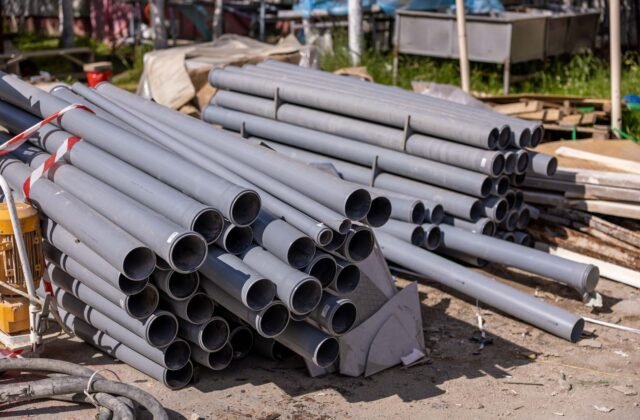
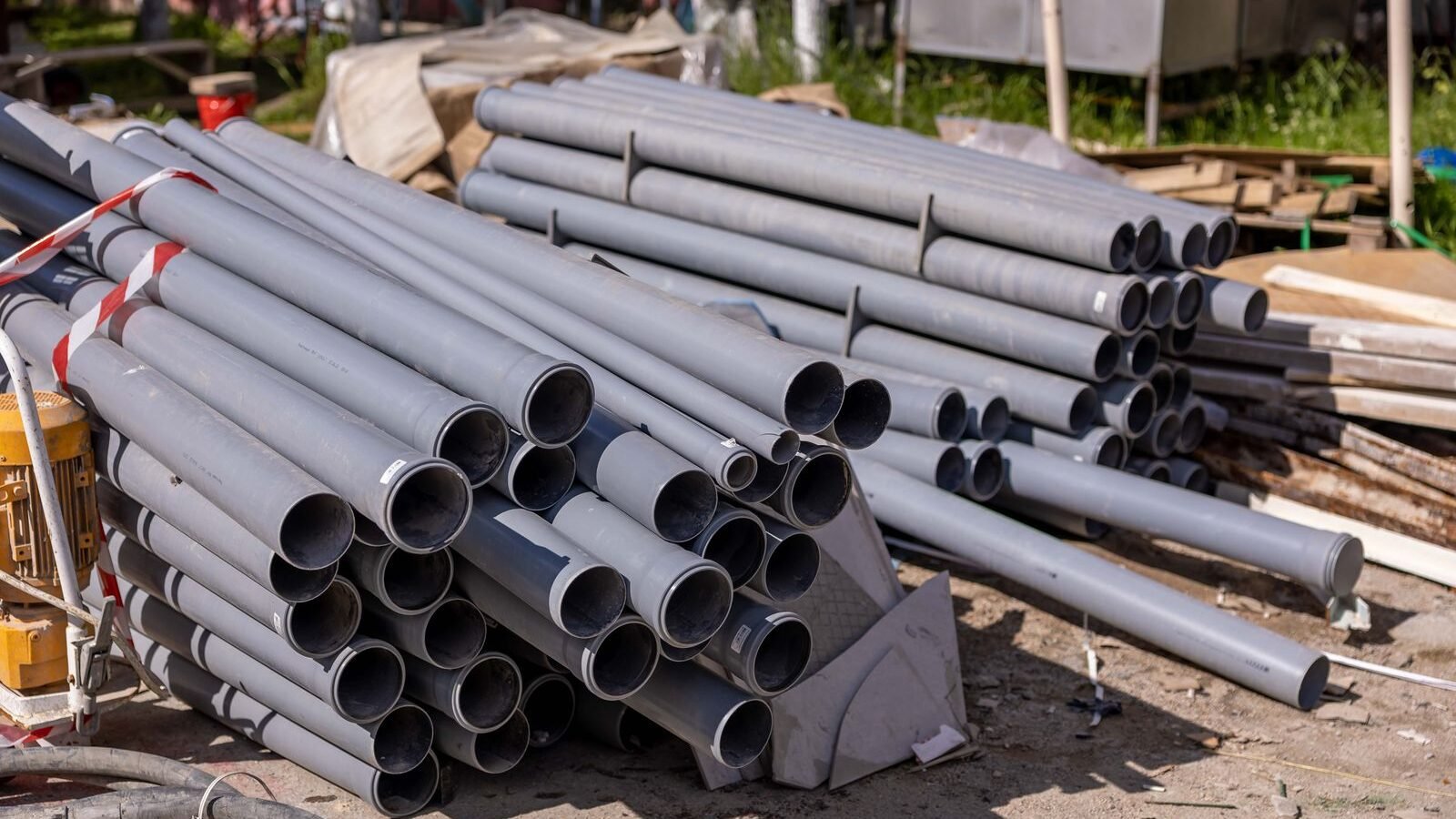
PVC pipe is famously cheap — until you price the whole job. The pipe itself is often the smallest line on the receipt: fittings, valves, primer, cement, and hangers can easily double or triple the cost of the sticks. A realistic PVC budget prices every socket, every valve, and every can of cement, not just the footage.
The PVC Pipe Calculator gives you the quantities — sticks of pipe, fitting counts, and jointing needs — that a cost estimate is built on. This guide turns those quantities into dollars: typical 2026 US price ranges for pipe, fittings, and accessories, worked budget examples in imperial and metric, and the cost traps that blow up PVC estimates.
What Drives PVC Project Cost
Four cost buckets make up a PVC job, and only the first is the pipe:
- Pipe — priced per 10-ft (3.05 m) stick or per linear foot. The smallest per-foot cost, but the largest footage.
- Fittings — elbows, tees, couplings, adapters, reducers, caps. Unit prices look small; totals don’t.
- Valves and specialty items — ball valves, check valves, unions, repair couplings, valve boxes. The highest unit prices on the list.
- Jointing and support — primer, solvent cement, thread sealant, hangers, straps, bedding gravel, thrust blocking for buried mains.
Labor is the fifth bucket on hired jobs: trenching, assembly, and backfill often exceed material cost. This guide covers materials; for the DIY-vs-hire decision, see the DIY vs pro guide.
Typical Pipe Prices (per 10-ft Stick)
These are typical 2026 US big-box/hardware ranges for Schedule 40 PVC in 10-ft (3.05 m) sticks. Prices vary significantly by region, supplier, and oil-market swings — treat them as planning ranges, not quotes:
| Nominal size | Schedule 40 (10 ft / 3.05 m) | Schedule 80 (10 ft / 3.05 m) |
|---|---|---|
| 1/2″ | $4 – $7 | $7 – $11 |
| 3/4″ | $5 – $8 | $8 – $13 |
| 1″ | $6 – $10 | $10 – $16 |
| 1-1/2″ | $7 – $12 | $13 – $20 |
| 2″ | $8 – $14 | $16 – $26 |
| 3″ | $13 – $22 | $26 – $42 |
| 4″ | $18 – $30 | $38 – $60 |
Schedule 80 runs roughly 1.5–2× the price of Schedule 40 in the same size. Larger sizes jump faster than linear — 4″ costs several times 2″, not twice — because wall thickness, material weight, and freight all scale up. SDR-35 sewer pipe and C900 water-main pipe are priced differently again (often per foot from plumbing or utility suppliers rather than big-box per stick).
Typical Fitting and Accessory Prices
Fitting unit prices for common Schedule 40 sizes (typical US retail ranges):
| Fitting / item | 1″ – 2″ | 3″ – 4″ |
|---|---|---|
| 90° elbow | $1.50 – $4 | $5 – $14 |
| 45° elbow | $1.50 – $4 | $5 – $14 |
| Tee | $2 – $6 | $7 – $18 |
| Coupling | $1 – $3 | $4 – $10 |
| Reducer bushing | $1.50 – $4 | $5 – $12 |
| Male/female adapter | $1.50 – $5 | $6 – $15 |
| Cap | $1 – $3 | $4 – $10 |
| Union (for service access) | $6 – $14 | $15 – $30 |
| Ball valve | $6 – $18 | $25 – $70 |
Jointing materials: a quart of purple primer runs roughly $8–$14 and a quart of medium-bodied solvent cement roughly $10–$18; the pair covers on the order of 40–60 two-inch socket joints, so one set handles most residential jobs. Add thread-sealant tape ($3–$6) for threaded joints, and pipe hangers/straps at roughly $1–$3 each, spaced every 4 ft (1.2 m) on horizontal runs.
Worked Budget: 2″ Irrigation Main (Imperial)
Take the worked example from the complete guide: 80 ft of 2″ Schedule 40, 9 sticks, 4 elbows, 2 tees, 6 couplings, 1 male adapter, 1 ball valve, primer + cement. Using mid-range prices:
- Pipe: 9 sticks × $11 = $99
- Fittings: 4 elbows × $3 + 2 tees × $5 + 6 couplings × $2 + 1 adapter × $4 = $38
- Valve: 1 × $12 = $12
- Jointing: primer $11 + cement $14 = $25
- Hangers: 80 ft ÷ 4 ft = 20 × $2 = $40
Materials total: ≈ $214 for an 80-ft 2″ main — about $2.70 per linear foot all-in. The pipe alone was $99; everything else added $115. That 1:1+ ratio of pipe-to-everything-else is the single most useful budgeting rule in PVC work.
Cross-check in metric — 24.4 m of 50 mm (2″) Schedule 40 at roughly $3.60/m equivalent: pipe ≈ $88, fittings/accessories ≈ $103, jointing ≈ $22 → ≈ $213 total, about $8.70 per meter. Same job, same answer.
Where Estimates Go Wrong on Cost
- Pricing pipe only. The sticks are the cheapest line item per unit of work. Budget the full fitting list or the estimate is fiction.
- Forgetting valves and unions. A $12 ball valve and a $10 union per service point add up fast — and skipping them costs far more in future labor.
- Under-counting hangers and supports. Twenty hangers on an 80-ft run is $40 nobody remembers until checkout.
- Ignoring trenching and backfill. Buried pipe needs a trench, bedding, and backfill labor — often more than the pipe materials. A rented trencher ($75–$150/day typical US) belongs in the budget.
- Schedule 80 priced as Schedule 40. Switching to Schedule 80 roughly doubles pipe cost; confirm which schedule the job actually needs (the material guide covers the choice).
- No contingency. Bad cuts, a cracked bell, a fitting that turns out to be the wrong sweep — add 5–10% on materials for a small job, more on a first-time DIY.
A full catalogue of estimating errors is in the common mistakes guide.
Cost-Saving Moves That Don’t Compromise Quality
- Buy sticks in 20-ft lengths where available and transportable — lower cost per foot and fewer couplings.
- Plan cuts to minimize offcuts: lay out cuts so each stick yields usable pieces; the estimating guide shows a cutting plan approach.
- Use the right schedule, not the heaviest: Schedule 80 where Schedule 40 is rated and code-accepted is money burned.
- Price plumbing-supply houses against big-box stores: per-stick pipe is often cheaper at supply houses, while big-box wins on single fittings.
- Don’t cheap out on cement and primer: a failed joint costs a fitting, a repair coupling, and an afternoon. Fresh, in-date cement is the cheapest insurance on the job.
Related Guides
- Complete Guide — the full takeoff walkthrough this budget is built on.
- Estimating Guide — plan-based takeoffs that keep the fitting count (and cost) honest.
- Material Guide — Schedule 40 vs 80, SDR-35, and C900 pricing contexts.
- DIY vs Pro — when the labor savings justify doing it yourself.
- Materials Checklist — the full buy list so nothing gets missed at the store.
Frequently Asked Questions
How much does it cost to run PVC pipe per foot?
Materials all-in, a typical residential 2″ Schedule 40 run lands around $2–$4 per linear foot ($7–$13 per meter) including fittings, valves, and jointing — the pipe alone is roughly $1–$1.40/ft. Larger sizes and Schedule 80 run higher.
Is Schedule 80 worth the extra cost?
Only where the application demands it: higher pressure ratings, exposed runs needing impact resistance, or industrial/chemical service. For standard residential irrigation and DWV, Schedule 40 is the rated, code-accepted, cheaper choice.
How much do fittings add to a PVC job?
Roughly as much as the pipe itself on a typical residential job — plan on fittings, valves, and jointing matching or exceeding the pipe cost. Complex manifolds with many valves skew further.
How long does a can of PVC cement last?
A quart covers roughly 40–60 two-inch socket joints. Cement has a shelf life — check the date code; thickened, lumpy, or expired cement should be discarded, not “used up.”
Should I buy extra fittings?
Yes — one or two spares of the common elbows and couplings, plus a repair coupling. They’re cheap, and a mid-job store run costs more in time and fuel than the spares.
Get Your Number
Cost the quantities, not the footage: run your layout through the PVC Pipe Calculator, price every line of the resulting list with local supplier rates, and add a 5–10% contingency. The pipe is the cheapest part of the job — budget like it, and the final number won’t surprise you.
Disclaimer: Prices are typical 2026 US retail ranges for planning purposes and vary by region, supplier, and market conditions. Verify current prices locally. Calculator results are estimates; confirm material needs, pressure ratings, and code requirements with your supplier and local authority, and consult a licensed professional for pressurized or code-regulated work.