Introduction
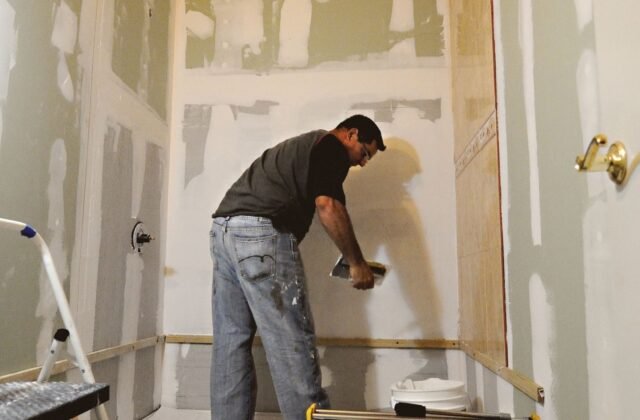
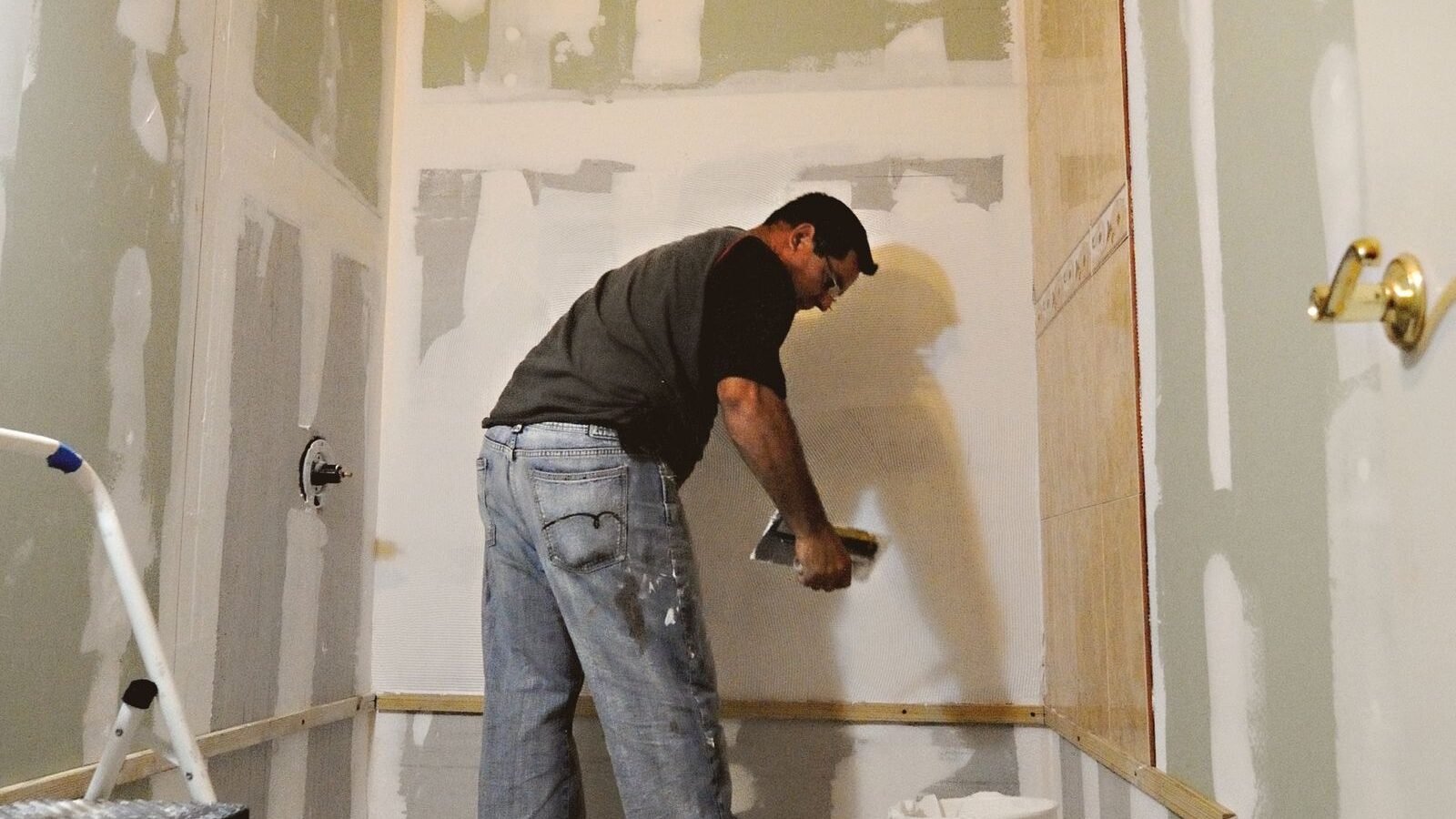
DIY drywall can cut 60–70% off an installed quote — the single biggest saving available in interior remodeling. But drywall has two halves with very different skill profiles: hanging (cutting and screwing sheets, genuinely DIY-friendly) and finishing (taping, mudding, sanding to invisible seams, genuinely a craft). Knowing which half to do yourself is the entire decision.
Price both paths with the Drywall Cost Calculator, then use this guide to decide honestly which one fits your skills, schedule, and standards.
The Cost Comparison
For a 12×14 ft bedroom (416 sq ft of walls, 38.6 m²; ceiling excluded for clarity):
| Path | Cost | $/sq ft |
|---|---|---|
| Full DIY (materials only) | ~$375 | ~$0.90 ($10/m²) |
| DIY hang + pro finish | ~$375 + $520 finish labor | ~$2.15 ($23/m²) |
| Full pro, Level 4 smooth | ~$1,664 | ~$4.00 ($43/m²) |
The DIY hang + pro finish hybrid captures most of the saving while outsourcing the skilled half — it’s the path working remodelers recommend most often to homeowners. Deeper cost detail is in the cost guide.
What DIY Does Well
- Hanging. Measuring, scoring, snapping, and screwing sheets is physical but not mysterious. A careful homeowner with a drywall square, a sharp knife, and a rented lift ($40–$70/day) hangs a bedroom in a weekend. Mistakes are cheap — a miscut sheet is $15.
- Demolition. Tear-out needs no skill, just dust masks, gloves, and a dump plan. Doing your own demo saves $1–$2 per sq ft ($11–$22 per m²).
- Small patches. Anything under ~4 sq ft (0.37 m²) — doorknob holes, small cutouts — is firmly DIY territory. The minimum charges in the FAQ ($250–$500) make hiring out patches uneconomical.
- Garages and utility spaces. Level 1–2 finishes in low-visibility areas are forgiving practice ground where imperfect joints don’t matter.
Where DIY Gets Expensive
- Finishing to Level 4–5. Taping without bubbles, feathering three coats, sanding without gouging — this is 500+ hours of practice compressed into a craft. Bad joints telegraph through paint permanently, and fixing them means re-mudding, re-sanding, and re-priming: often more expensive than hiring the finisher was.
- Time. A pro crew hangs and finishes a room in under a week. A DIYer working evenings needs 2–4 weeks, with dust in the house the entire time. Value your time honestly — two lost weekends have a cost.
- Ceilings. Overhead hanging and finishing is the hardest, slowest, most physically punishing drywall work. Many DIYers hang their own walls and hire out ceilings.
- Texture matching. Blending a patch into existing orange-peel or knockdown texture is an art; mismatched patches are visible forever.
- Tool costs. A DIY finish kit — 12-in knife, mud pan, sanding pole, work light, dust extraction — runs $150–$300. Worth it for a whole house; questionable for one room.
A Realistic DIY Timeline
For that same 12×14 ft bedroom, working evenings and weekends:
- Demo (if needed): 1 weekend day, plus a dump run.
- Hanging: 1–2 weekends. Cutting around windows, doors, and outlets is what consumes the time, not the open field of wall.
- Finishing: 2–3 weeks of elapsed time. Each of the three coats needs a day to apply and ~24 hours to dry; sanding and touch-ups fill the gaps between.
- Prime and paint: 1 weekend.
Total: 4–6 weeks elapsed for a room a pro crew finishes in under a week. That’s not an argument against DIY — it’s the honest price of the $1,300 saving, and for many homeowners it’s a price gladly paid. Just don’t promise the room to guests “next weekend.”
The Honest Decision Framework
- What finish level does the room need? Level 1–2 (garage, storage): DIY confidently. Level 3 under heavy texture: DIY-able with care. Level 4–5 in living spaces: hire the finishing unless you’ve done it before.
- How visible are the walls? Raking light from windows and glossy paint expose every flaw. Flat paint in a softly lit bedroom hides a multitude of sins.
- What’s your timeline? If the room must be done in a week, hire it. If you have a month and enjoy the work, DIY the hang.
- Can you get a finisher for the second half? Call finishers before you start hanging — some won’t take on homeowner-hung work (they inherit your mistakes). Confirm first, hang second.
Hiring Right (When You Hire)
- Specify the GA-214 finish level in writing. “Smooth finish” is ambiguous; “Level 4” is a standard. This is the most expensive misunderstanding in drywall contracting.
- Confirm inclusions: primer, texture, cleanup, and debris haul-off. Each is a $0.50–$2 per sq ft surprise when assumed.
- Inspect finished work in person under raking light before hiring a finisher — photos lie. Ask for an address, not a portfolio.
- Get 2–3 bids and compare them line by line: finish level, area basis (wall vs floor), and inclusions. The common mistakes guide lists the bid-comparison traps.
Safety Notes for DIYers
Drywall dust is a respiratory irritant — wear a P100 respirator when sanding, not just a paper mask. Sheets weigh 54–70 lb (24.5–32 kg); lift with legs, get help for ceilings, and rent the lift. In pre-1978 homes, test for lead paint before disturbing old finishes, and check for asbestos in old joint compound and texture — both are covered in the code compliance guide.
Related Guides
- Drywall Cost Guide — the dollar figures behind this comparison.
- Pro Tips — the techniques that make DIY finishing viable.
- Common Mistakes — where DIY projects go wrong.
- Material Guide — what to buy for the DIY path.
- Drywall Checklist — the DIY project sequence.
Get Your Number
Run both scenarios in the Drywall Cost Calculator — full DIY materials versus installed — and the saving will stare back at you. Then decide with clear eyes: hang it yourself, finish it yourself only if the room forgives it, and hire the craft where it shows. The cheapest drywall job is the one you only do once.
Disclaimer: Calculator results are planning estimates based on the dimensions and rates you enter. Actual drywall costs vary with local labor rates, board availability, site conditions, and finish requirements. Verify pricing with local suppliers and contractors, and consult a licensed professional or your local building authority for code-related decisions.