Introduction
Anyone can rent a skid-steer and move dirt. The difference between a driveway that lasts twenty years and one that ruts in three is technique — the small, unglamorous steps professionals never skip. What do pros do during driveway excavation that amateurs don’t? Set grades with string lines before the machine arrives, compact the base in thin lifts, lay geotextile on soft soil, restrain the edges, and time material deliveries so the base goes in the same day the dig finishes.
This guide collects those techniques in the order you’ll use them. For the underlying math — volumes, swell, truck loads — run your numbers through the Driveway Excavation Calculator first, then apply the tips below to execute the plan well.
Tip 1: Set Grades With String Lines Before the Machine Arrives
Grade mistakes are invisible until the base is in — by which point fixing them means re-digging. Before any soil moves, drive grade stakes along both edges of the driveway alignment and stretch mason’s string lines at the target subgrade elevation, with a line level to confirm the 2% minimum fall (2 cm per meter, about 1/4 inch per foot). The string line is both your guide during the cut and your audit after it: measure down from the string at intervals to verify the excavation depth is consistent.
Offset the strings slightly outside the cut line so the machine doesn’t knock them down, and mark the excavation depth on each stake. This twenty-minute exercise prevents the single most expensive rework in driveway excavation. The estimating guide explains how to determine the right depth to stake in the first place.
Tip 2: Compact the Base in Thin Lifts
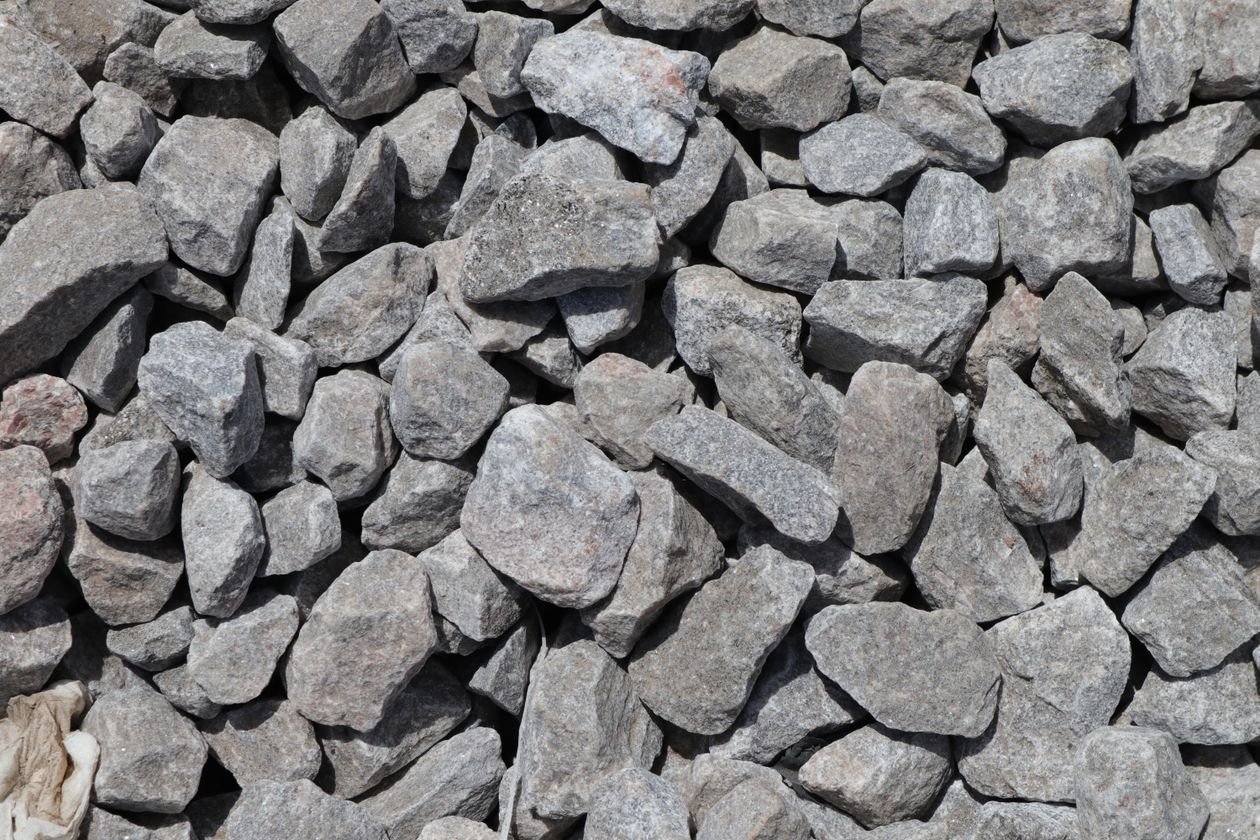
Compaction is the step DIYers most often shortcut — and the one that matters most. A plate compactor or roller only consolidates the top 10–15 cm (4–6 in) of material effectively. Dump 30 cm (12 in) of stone in one go and the bottom half stays loose, settling later under traffic and telegraphing waves into the surface.
The rule: spread aggregate in lifts no thicker than 10–15 cm (4–6 in) loose, compact each lift fully (a minimum of two passes, with the stone slightly damp — not wet, not dry), then place the next. For a 15 cm (6 in) base, that’s two lifts; for a 20 cm (8 in) base, three. It feels slow. It is slow. It’s also what makes the difference between a driveway that needs rebuilding in five years and one that lasts decades. Common compaction shortcuts are covered in the common mistakes guide.
Tip 3: Use Geotextile Fabric on Soft or Silty Soil
On clay, silt, or saturated soils, aggregate base slowly sinks into the subgrade under load — a process called pumping — and the subgrade soil migrates up into the base. A woven or non-woven geotextile separation fabric laid directly on the prepared subgrade stops both. It’s cheap insurance: typically $0.15–$0.40 per ft² installed, and it can be the difference between a stable driveway and one that needs rebuilding.
Roll the fabric out smooth, overlap seams by 30–45 cm (12–18 in), and pin the edges so it doesn’t shift during the first lift of stone. On firm, sandy subgrades you can skip it — but if you’re unsure, the fabric is cheaper than the rework. See the material guide for which fabrics suit which soils.
Tip 4: Install Edge Restraints
Aggregate base and paver surfaces spread laterally under load. Without edge restraints — steel, aluminum, or concrete curbing pinned along the driveway edges — the outer 15–30 cm (6–12 in) of your driveway creeps outward and the edges crumble. Install restraints at the finished edge line before the final base lift, anchored into the compacted subgrade or lower lifts.
This applies to gravel and paver driveways especially, but even asphalt benefits from a defined, restrained edge at the base stage. It’s a small line item that protects the whole investment.
Tip 5: Avoid Utility Strikes — Locate First, Always
Every professional treats utility location as step zero. In the US, calling 811 gets public utilities marked for free, typically within a few business days. Private lines (sprinkler, landscape lighting, septic) aren’t covered — trace those yourself or hire a private locator. Hitting a buried electric or gas line isn’t just an expensive repair; it’s a safety event.
The pre-dig sequence, including locates, permits, and layout, is collected in the pre-dig checklist. Permit and right-of-way specifics live in the code compliance guide.
Tip 6: Schedule Base Delivery Right After the Dig
An open excavation is a liability: rain softens the subgrade, neighbors dump yard waste in it, and the longer it sits, the more it degrades. Order your base aggregate so it arrives the day the dig finishes — or the morning after. The driver can often tailgate-spread stone directly into the excavation, saving you a whole material-handling step.
Ordering base before the dig is done is the classic ordering mistake (the common mistakes guide explains why): you don’t know the final volume until the cut is complete and soft spots have been dealt with. Sequence it right: dig, verify depth and subgrade, then order — with delivery as close behind as your supplier can manage.
Tip 7: Proof-Roll the Subgrade
After the cut is at grade but before any base goes in, proof-roll: drive a loaded truck or run the roller slowly over the subgrade and watch for deflection. Soft spots show up as pumping or rutting under the wheel. Mark each one, undercut it to firm soil, and backfill with compacted aggregate. Skipping this step buries problems that resurface — literally — within a season or two.
Related Guides
- Complete Guide to Driveway Excavation — depths, cut vs fill, drainage slope, and base materials.
- Pre-Dig Checklist — locates, permits, stakes, and spoil planning.
- Common Mistakes — what goes wrong when these tips are skipped.
- Base Materials Guide — aggregates, fabrics, and their costs.
- Formula Guide — the math behind every quantity.
- FAQ — quick answers on depth, cost, and timelines.
Get Your Number
Technique only pays off when the quantities are right. Size your dig — bank volume, swell, truck loads, base tonnage — with the Driveway Excavation Calculator, then execute it like a pro: string lines first, thin compacted lifts, fabric on soft soil, edges restrained, and base arriving the day the dig finishes. The math takes five minutes; the technique takes a weekend; the driveway lasts decades.
Disclaimer: Calculator results are planning estimates based on the dimensions you enter. Actual excavation requirements vary with site conditions, soil type, and local regulations. Verify with local contractors and your local building authority for permits and utility requirements.

1 comment