Introduction
How deep do I dig? What does it cost? Can I do it myself? Driveway excavation raises the same questions for almost everyone, and the answers are more consistent than the internet makes them seem. This page collects the fourteen questions we hear most, with straight answers based on standard residential practice.
For the numbers behind these answers — cut volume, soil swell, truck loads, base tonnage — the Driveway Excavation Calculator computes everything from your dimensions in one pass. The background for each topic lives in the linked guides below.
Frequently Asked Questions
How deep should I dig for a driveway?
Typically 20–30 cm (8–12 in) below finished grade: enough for a 10–15 cm (4–6 in) compacted aggregate base plus subgrade preparation. Heavy vehicles or weak soils push that to 30–40 cm (12–16 in). See the complete guide for the depth table by vehicle type.
How much does driveway excavation cost?
Typical US residential ranges: $1,500–$2,500 for a small driveway, $2,500–$4,000 for a standard 50 × 12 ft driveway, and $3,500–$5,000+ for large or complex sites. These are planning ranges with strong regional variation — get local quotes. Full line-item breakdowns are in the cost guide.
Can I excavate a driveway myself, or should I hire a contractor?
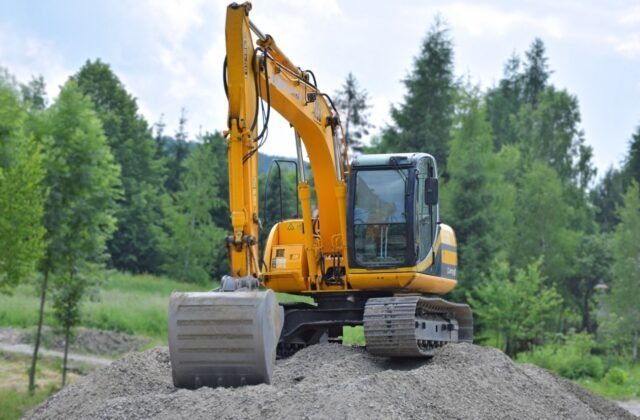
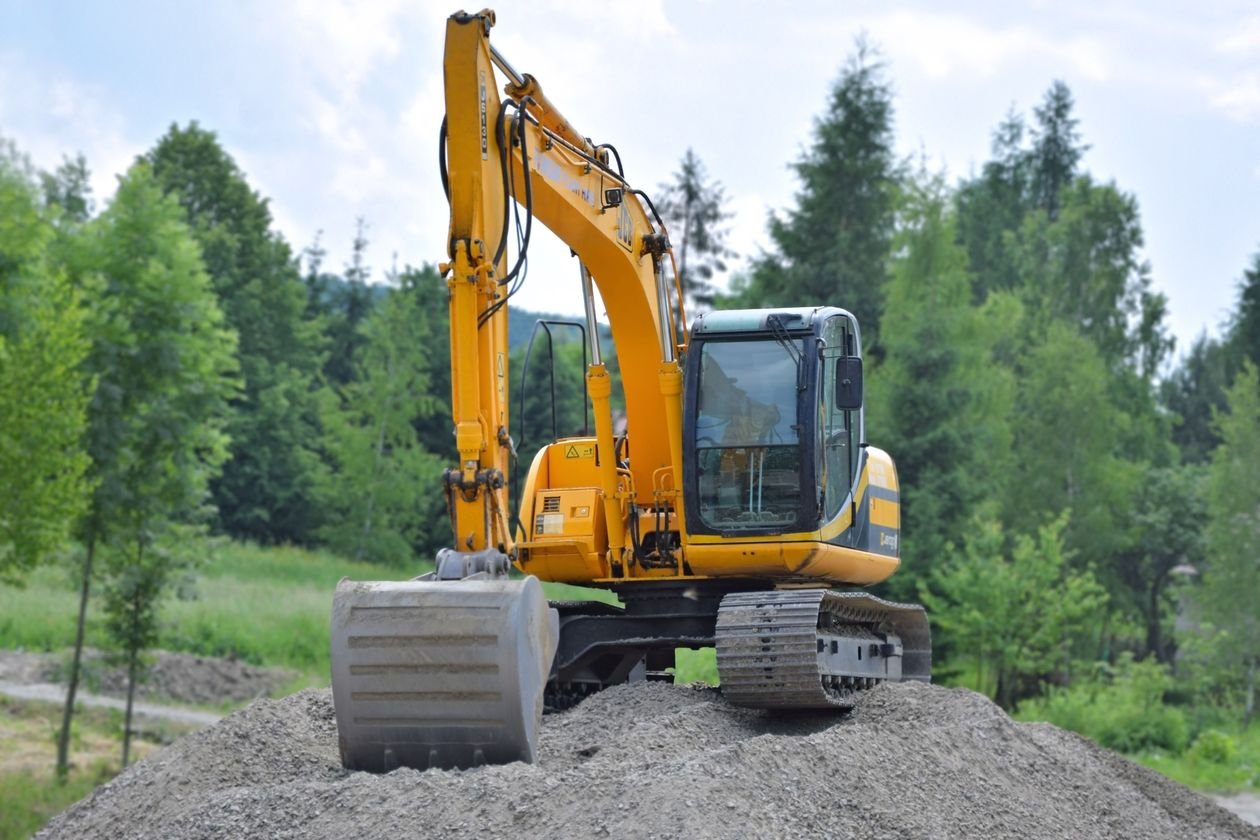
DIY with a rented skid-steer or mini-excavator ($300–$500/day) suits straightforward, level sites and typically costs $800–$1,500 out of pocket for a standard driveway. Hire a contractor when the site has slopes, soft spots, tight access, or buried utilities — or when the rental bill plus your time approaches the contractor’s price. The full comparison is in the DIY vs pro guide.
How much soil will the dig produce?
Multiply length × width × depth (all in the same units) for the bank volume, then multiply by about 1.25 for soil swell — dug soil takes up ~25% more room than undisturbed soil. A 50 × 12 ft driveway at 8 in deep yields 14.7 yd³ bank, or 18.4 yd³ loose — two standard truck loads. The formula guide walks through the math step by step.
What slope does a driveway need for drainage?
A minimum of 2% — 2 cm of fall per meter of run (about 1/4 inch per foot). A 15 m (50 ft) driveway needs at least 30 cm (12 in) of total fall. Build the slope into the excavation itself, not just the finished surface.
What is the best base material under a driveway?
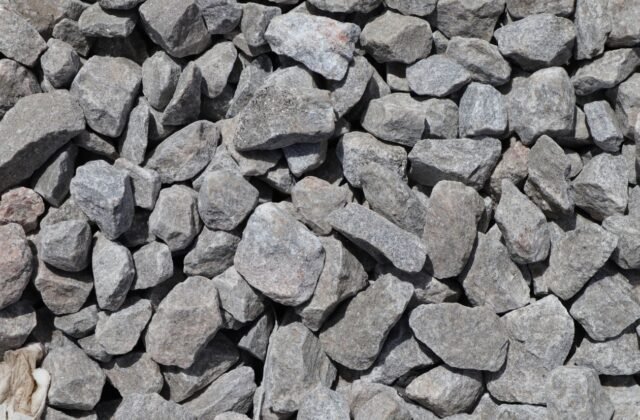
Crusher run (dense-graded aggregate) is the default for most residential driveways: angular stone from dust to ~2 cm (3/4 in) that interlocks under compaction into a tight, load-bearing layer. Alternatives include clean 3/4-inch stone (better drainage, needs confinement), recycled concrete aggregate (cheaper where available), and sand bedding (leveling layer for pavers only). All four are compared in the material guide.
Do I need a permit to excavate a driveway?
Often yes — especially the apron where the driveway meets the street, or anywhere the work crosses a public right-of-way. Requirements vary widely by municipality, so check with your local building authority before you dig. The code compliance guide covers permits, curb cuts, and HOA approvals.
How long does driveway excavation take?
A standard residential dig — utility locate, layout, stripping, cut, subgrade compaction — typically takes one to two days with a contractor and a weekend with rented equipment for a capable DIYer. Add days for permits, utility marking (811 locates usually take a few business days), weather delays, and base installation.
What do I do about tree roots in the excavation area?
Cut roots cleanly at the excavation boundary with a sharp saw or axe — don’t tear them with the bucket, which invites disease and unpredictable regrowth. Roots thicker than about 5 cm (2 in) close to a valued tree warrant caution: removing major structural roots can destabilize or kill the tree. For large trees, consult an arborist before cutting, and consider shifting the alignment or installing a root barrier.
Do I need geotextile fabric under the base?
On soft, silty, or saturated soils: yes. Separation fabric stops base stone from sinking into the subgrade and subgrade soil from migrating up into the base. On firm, sandy subgrades it’s optional. When in doubt, the fabric ($0.15–$0.40 per ft² installed) is far cheaper than a rebuild.
Can I reuse the excavated soil on site?
Topsoil can be reused for final grading and landscaping. The subsoil below it can sometimes serve as fill in non-structural areas — but never as structural fill under the driveway itself, which requires compacted granular material. Everything you can’t reuse needs hauling: budget for the truck loads the calculator gives you.
When should I order the base material?
After the dig is complete and the depth and subgrade condition are verified — not before. Ordering early risks the wrong quantity (soft-spot undercuts change the volume) and material contamination while it sits. Schedule delivery for the day the dig finishes or the morning after; an open excavation degrades with every rain.
What’s the difference between cut and fill?
Cut is soil removed to reach design grade; fill is material added where existing ground sits below grade. Fill under a driveway must be structural granular fill compacted in 10–15 cm (4–6 in) lifts — never loose topsoil. On sloped sites, balancing cut and fill reduces both haul-off and imported material.
How thick should the base be, in lifts?
A typical residential base is 10–15 cm (4–6 in) compacted; heavy-vehicle driveways run 20–25 cm (8–10 in). Place it in lifts no thicker than 10–15 cm (4–6 in) loose, compacting each lift fully (at least two passes, stone slightly damp) before the next. One thick dump compacted once from the top leaves the bottom loose — the classic DIY compaction failure.
Related Guides
- Complete Guide to Driveway Excavation — depths, cut vs fill, drainage slope, and base materials.
- Cost Guide — typical US pricing ranges and line-item budgeting.
- Formula Guide — bank volume, swell, truck loads, and slope math.
- DIY vs Pro — rental costs, skill, and time comparison.
- Pre-Dig Checklist — everything to confirm before excavation day.
- Code Compliance — permits, curb cuts, and utility locates.
Get Your Number
Questions answered, the next step is arithmetic: your driveway’s actual dimensions, cut volume, swell, truck loads, and base tonnage. Run them through the Driveway Excavation Calculator, then follow the estimating and checklist guides to turn those numbers into a dig-day plan.
Disclaimer: Calculator results are planning estimates based on the dimensions you enter. Actual excavation requirements vary with site conditions, soil type, and local regulations. Verify with local contractors and your local building authority for permits and utility requirements.