Introduction
Log work rewards preparation and punishes improvisation. The scaling disputes, pricing mistakes, and milling-day surprises that cost people money almost always trace back to something skipped beforehand: a tape left in the truck, a scale never confirmed with the buyer, a yard-tree log never checked for metal. A checklist turns hard-won lessons into routine – run it every time, and the expensive surprises stop happening.
The Log Board Feet Calculator is the arithmetic engine behind these checklists – Doyle, Scribner, and International 1/4-inch board footage from diameter and length. Print or save this page, work through the list that matches your job, and cross-reference the complete guide for anything that needs a fuller explanation.
Before You Buy Logs
- Confirm the scale in writing. Which rule – Doyle, Scribner, or International – will the price be based on? Get it in the agreement before scaling anything. On 10 to 14-inch logs the rule choice moves the volume 25 to 35 percent.
- Confirm the per-MBF price and grade definitions. Price per thousand board feet for each species and grade, with the buyer’s grade terms defined – “Grade 2” means different things to different mills.
- Walk the deck before agreeing. Inspect every log for rot (sound with a hammer – dull thud means decay), sweep, splits, and large knots. The formulas assume sound logs; price the defects, not the fantasy.
- Check yard trees for metal. Scan with a handheld metal detector. Nails, fence wire, and old hardware are common in yard and fence-row trees, and one strike destroys a saw blade.
- Verify species on premium logs. Walnut, cherry, and white oak command premium prices – confirm bark and end grain before paying premium rates. Misidentified logs are an expensive classic.
- Scale it yourself. Measure small-end diameter inside the bark and length on every log; run the calculator; reconcile your tally with the seller’s before money moves. The field procedure is in the estimating guide.
- Settle haul terms. Who loads, who trucks, who pays? Get local haul rates ($100-$300 per load is typical for short moves) and put the arrangement in writing.
- Check harvest legality. If you are cutting rather than buying, confirm permits, tree-protection ordinances, and harvest-plan requirements first – see the code compliance guide.
Scaling Day: Field Checklist
- Tools packed: tape measure, diameter tape or calipers, tally sheet and marker, hammer (for sounding rot), metal detector for yard trees.
- Number every log with crayon or lumber marker so the tally sheet maps to physical logs.
- Measure the small end, inside the bark – two readings (wide and narrow) averaged on oval logs, recorded to the nearest inch.
- Measure length on the shortest side; record nominal footage (12 for a 12-foot log with trim, not 12.33).
- Record species per log and sort premium species onto separate tally lines.
- Note defects per log – sweep, rot, knots, splits – so deductions are traceable.
- Convert metric at entry: cm / 2.54 = inches, m / 0.3048 = feet; record both readings on the sheet.
- Re-measure outliers – any log far above or below its neighbors gets a second measurement before it goes in the tally.
- Photograph numbered log ends as dated evidence for the tally.
- Reconcile with the other party jointly before payment; ~5 percent disagreement is normal noise, beyond ~10 percent re-measure together.
Milling Day: Sawyer Checklist
- Confirm the pricing basis in writing: hourly ($50-$100/hr typical) or per board foot ($0.30-$0.60/BF typical) – and what counts as billable time or footage.
- Decide the sawing pattern before the first cut. Target thicknesses and the product mix (wide clears vs. volume) – sawing for grade, not just board feet. See the pro tips guide.
- Stage logs accessibly: small ends facing the mill, decked within reach of the loading equipment, metal-scanned.
- Arrange offloading labor: two helpers minimum to keep boards moving – an idle mill on hourly billing is money burning.
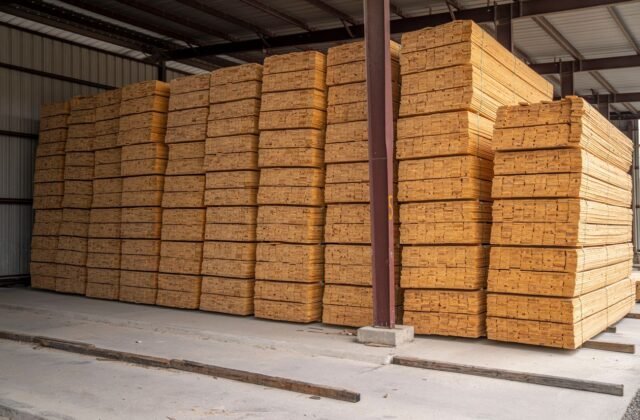
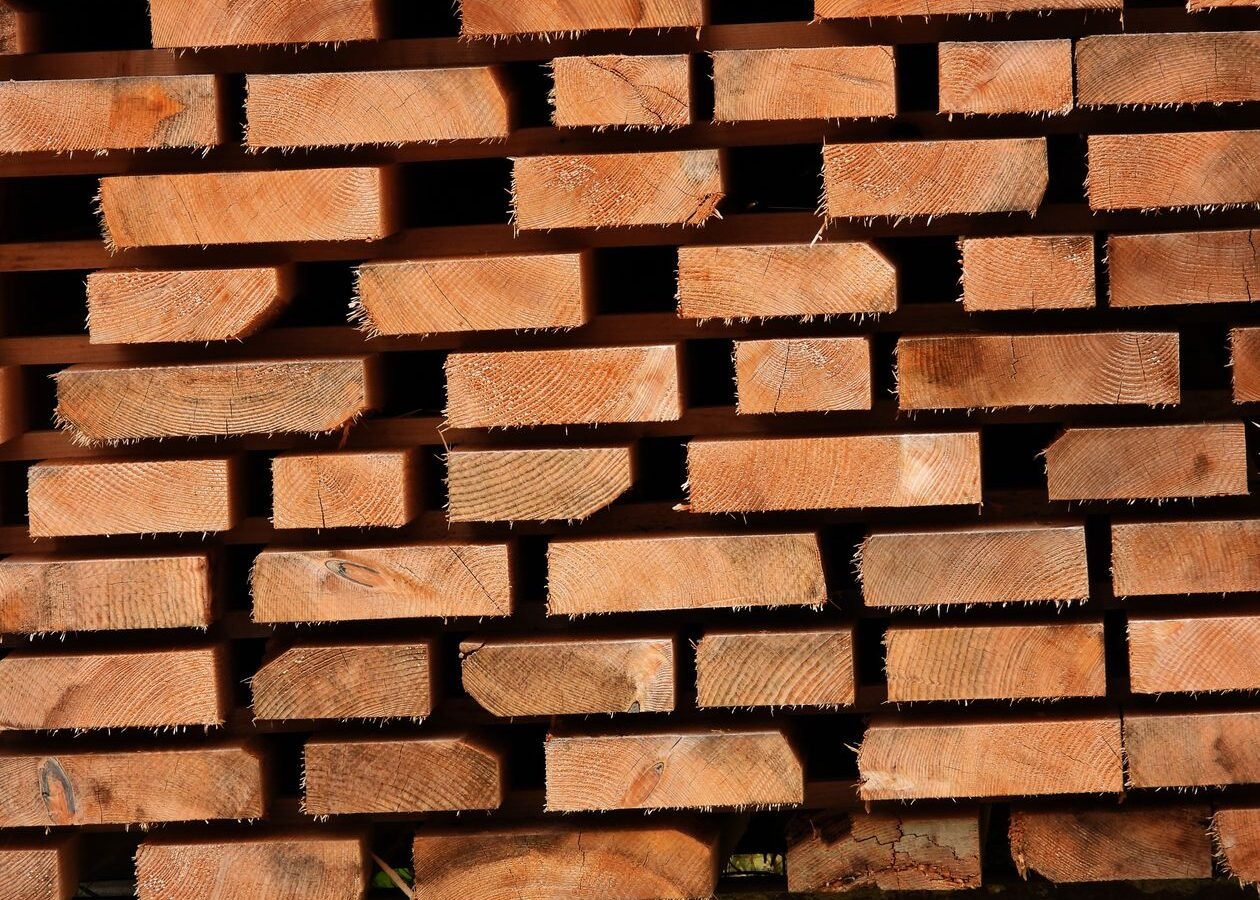
- Prepare stickering and stacking: dry stickers (3/4-inch / 19 mm), a level foundation, and cover material ready before the first board comes off. Poor stacking ruins good sawing.
- Plan for the full volume: a 1,300-BF deck becomes roughly 1,400+ BF of green lumber – confirm you have the drying space and a use or buyer for it. The DIY vs pro guide covers the economics.
- End-seal promptly: coat fresh-cut ends the same day to slow checking – anchor seal, wax, or latex paint all work.
- Safety gear and briefing: eye and ear protection, no loose clothing, established exclusion zones around rolling logs, never work the mill alone. Sawmilling injures the inattentive.
Before You Sell Logs or Timber
- Get the scale named in the contract – and understand its bias on your diameter range before you sign.
- Sort by species and size class before the buyer arrives; mixed decks earn mixed-deck prices.
- Get two quotes on premium species – specialty buyers pay for walnut, cherry, and figure that commodity mills price as ordinary hardwood.
- Know your net, not just the gross: subtract haul costs and any harvesting expense from the tally value. A $780 tally 40 miles from the buyer is not $780 in your pocket.
- Check scaler licensing rules in your state for commercial sales, and keep the signed tally sheet and contract on file.
- Confirm payment terms: when, how, and on whose scale the final settlement is calculated. Avoid handshake deals on commercial volumes.
Drying and Storage Checklist
- Sticker every layer: 3/4-inch (19 mm) dry stickers every 16-24 inches (40-60 cm), aligned vertically layer to layer.
- Level foundation, covered top: stack off the ground on level bearers; cover the top against rain while leaving the sides open for airflow.
- Allow 6-12 months for 4/4 stock (roughly one year per inch of thickness); verify with a moisture meter before use – target 6-8 percent for interior projects.
- Metric equivalents: sticker thickness 19 mm, spacing 40-60 cm, same drying durations regardless of measurement system.
Related Guides
- Complete Guide – log board feet basics, the three scales, and a full worked example.
- Estimating Guide – how to measure diameter and length accurately in the field.
- Pro Tips – practical advice for buying, scaling, and milling logs.
- Common Mistakes – the errors that distort scale results, with fixes.
- Cost Guide – typical log prices per MBF and what moves them up or down.
- FAQ – quick answers to the most asked log-scaling questions.
Frequently Asked Questions
What is the most-skipped checklist item?
Confirming the scale in writing before the transaction. More pricing disputes trace to an assumed-but-never-stated log rule than to any measurement error.
How long does a proper scaling take?
A two-person team scales and tallies roughly 30 to 50 logs per hour once in rhythm – measuring, recording, and numbering included. Rushing the measurement is where the errors enter.
Do I really need a metal detector?
For yard, fence-row, or urban trees: yes, absolutely. For forest-grown timber from a known stand: the risk is much lower. A $30-$100 detector against a $30 blade plus lost milling time is simple arithmetic.
What paperwork should I keep?
The signed tally sheet, the contract naming the scale and price, haul receipts, and dated photos of the deck. Keep them at least through final settlement – longer for tax records on timber income.
Can I skip end-sealing if I mill within a week?
End checks start within days in warm, dry weather. Sealing takes minutes and costs almost nothing – there is no good reason to skip it even for quick turnaround.
How do I know lumber is dry enough to use?
Use a moisture meter: 6-8 percent for interior furniture and flooring, up to 12-15 percent for exterior or rough construction use. Calendar time alone is not a reliable indicator – verify by measurement.
Get Your Number
Checklists only work if you run them. Before your next log transaction, walk the relevant list above with the Log Board Feet Calculator open, verify the scale with the other party in writing, and keep the tally sheet. Careful preparation is the cheapest input in the whole log business – and the one most often skipped.
Disclaimer: Calculator results are planning estimates based on the dimensions you enter. Actual lumber recovery varies with species, log quality, defects, sawing method, and kerf. Verify regulatory requirements with your local authorities, and consult qualified professionals for timber-sale, structural, or commercial decisions.