Introduction
Linear-foot questions come in the same dozen flavors on every job site and forum: what’s a linear foot, really? How is it different from a square foot? How much waste do I add? How many boards do I buy? The answers are short, but getting them wrong is expensive — a unit mix-up can triple an order, and a skipped doorway deduction strands material you’ll never use.
The Linear Feet Calculator handles the core calculation: enter your total run length and a waste allowance, and it returns the required linear footage in feet and meters, plus how many stock-length pieces to buy. This FAQ answers the questions people ask before, during, and after running that calculation.
Frequently Asked Questions
What is a linear foot?
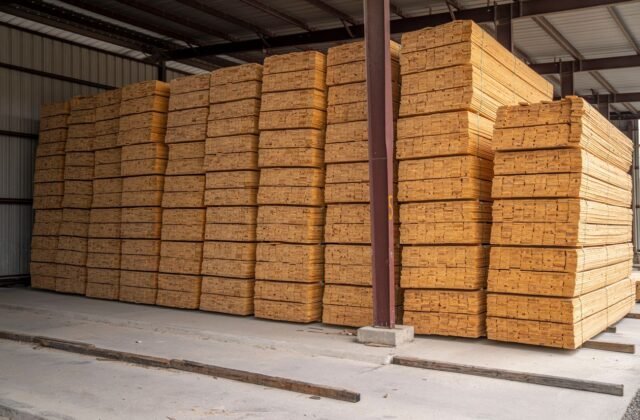
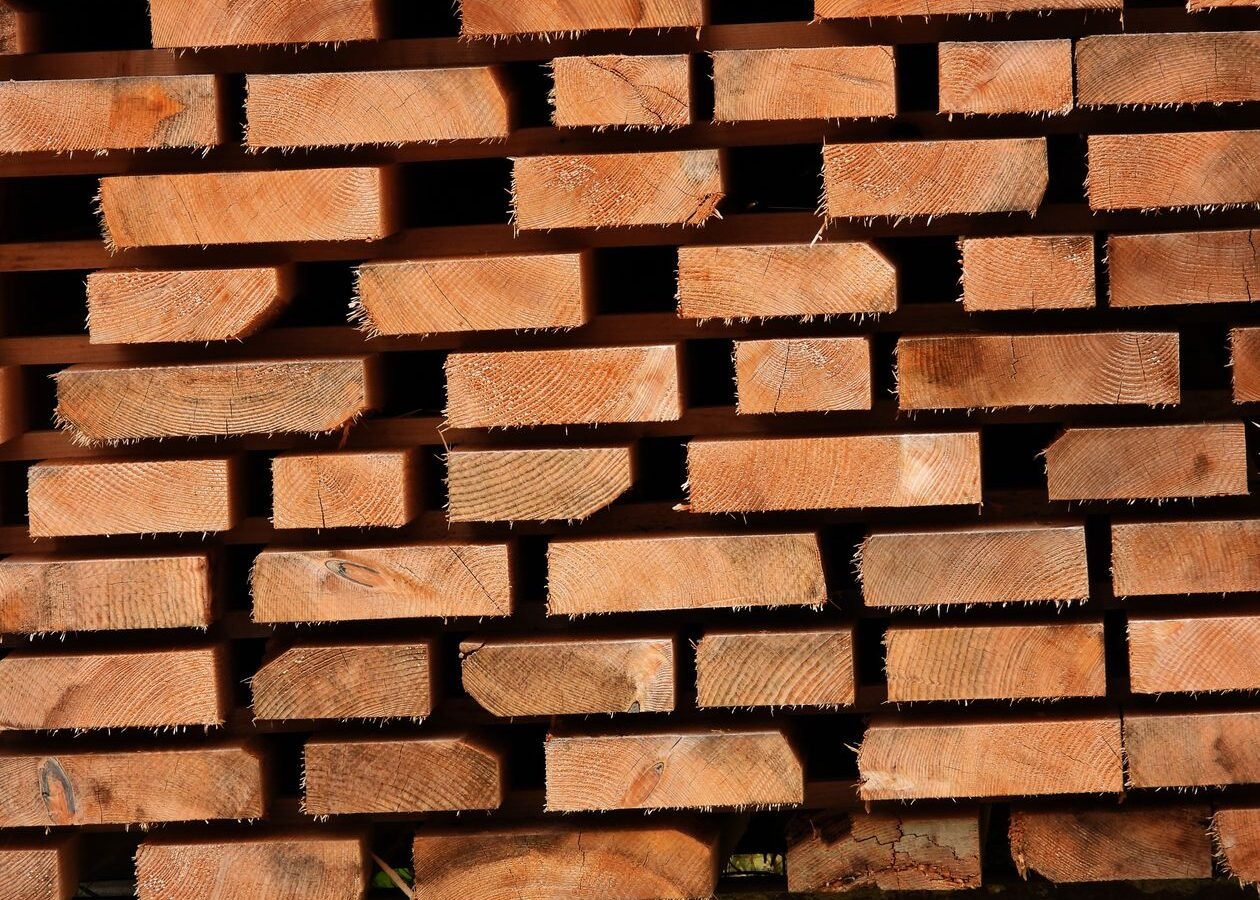
A linear foot is one straight foot of length, regardless of the material’s width or thickness. A 12-ft 1×4 and a 12-ft 2×10 both contain 12 linear feet. It’s the buying unit for anything long and narrow: trim, molding, deck boards, fence rails, pipe, and cable.
How is a linear foot different from a square foot?
A linear foot measures one dimension (length); a square foot measures two (length × width — an area). A 12×14 ft room has a 52-linear-foot perimeter but 168 square feet of floor. Baseboard and trim are ordered by linear feet; flooring, paint, and drywall by square feet. The formula guide works all three units side by side.
What is a board foot, and when does it matter?
A board foot is 144 cubic inches of wood — length (ft) × width (in) × thickness (in) ÷ 12. It matters when buying rough lumber and hardwoods, which are priced per board foot rather than per linear foot. A 12-ft 1×6 is 12 linear feet but 6 board feet.
How do I measure linear feet for baseboard?
Measure each wall at floor level, end to end, and add the lengths — or walk the tape continuously around the room for the perimeter. Subtract every doorway and opening (typically 3 ft each). For a 12×14 ft room: 2 × (12 + 14) = 52 lin ft of run (subtract any doorways first). The estimating guide details the field routine.
How much waste should I add?
Ten percent is the standard default for interior trim. Use 5% for simple straight runs with an experienced installer, 12–15% for fencing and long deck runs with many joints, and 15–20% for patterned profiles, stairs, or irregular layouts. Apply waste to the net run after subtracting openings.
How many 8-ft pieces do I need for 58 linear feet?
Divide and round up: 58 ÷ 8 = 7.25 → 8 pieces. Always round piece counts up — 7.25 pieces means a real 2-ft section of wall with no board. If the store stocks 12-ft pieces instead, 58 ÷ 12 = 4.83 → 5 pieces.
How do I convert linear feet to meters?
Multiply by 0.3048 — 1 linear foot equals 0.3048 meters exactly. So 52 lin ft = 15.85 m, and 58 lin ft = 17.68 m. To go the other way, multiply meters by 3.2808.
Do I subtract doorways before or after adding waste?
Before. Compute the net run (total minus all openings), then multiply by (1 + waste%). Adding waste first inflates the allowance on footage you’re not buying.
How do I estimate linear feet for a fence?
Add up each straight fence line, then subtract gate openings. A yard with 60 + 45 + 60 + 45 ft lines and one 4-ft gate needs 206 lin ft of pickets and rails. Posts are counted separately — typically one per 6–8 ft of run plus two per gate. Gates themselves are separate purchases.
How do deck boards relate to linear feet?
Decking is sold by the linear foot of board, but it covers area by board width plus gap. With 5.5-in boards and ¼-in gaps, each linear foot of deck surface needs about 2 linear feet of board. Linear feet = square feet of deck ÷ (board width + gap, in feet), then add 10–15% waste.
What stock lengths does trim come in?
Commonly 8, 10, 12, and 16 ft (2.44, 3.05, 3.66, 4.88 m); hardwoods often come in random lengths. Longer stock means fewer joints and less waste but needs transport and handling room. Confirm what’s actually in stock before finalizing your piece count — the material guide lists lengths by product.
Why does my estimate keep coming up short?
The usual culprits: zero or too-small waste allowance, rounded-down piece counts, forgotten doorway deductions, and stock lengths at the store differing from the plan. Run the five-point self-audit in the common mistakes guide before reordering.
How much does trim cost per linear foot?
Typical material ranges: MDF baseboard $0.50–$1.50/lin ft, finger-joint pine $1–$2.50, hardwood $2–$6; installed, roughly $2–$8/lin ft depending on profile and region. Full pricing tables are in the cost guide.
Can I use the calculator for metric measurements?
Yes — enter runs in meters and the calculator returns metric results with the same waste and piece-count logic. The underlying math is unit-agnostic; only the conversion factor (0.3048) changes the display.
When should I hire a pro instead of DIY?
DIY suits simple baseboard and casing runs if you own or can rent a miter saw. Consider a pro for tall crown molding, long stair runs, patterned profiles requiring pattern matching, and any fence or deck work involving permits or structural posts. The DIY vs pro guide breaks down the decision.
Related Guides
- Complete Guide — the full linear-feet workflow with the canonical 12×14 ft worked example.
- Formula Explained — linear vs square vs board feet with worked conversions.
- Estimating Guide — step-by-step field measurement for trim, decking, and fencing.
- Cost Guide — typical per-linear-foot pricing for trim, molding, decking, and fencing.
- Material Guide — trim profiles, decking board lengths, and fencing materials.
- Pro Tips — trade techniques for measuring, cutting, and ordering.
Get Your Number
If your question isn’t answered above, the pattern behind every answer is the same: measure the runs, subtract the openings, add waste to the net total, and round up to stock-length pieces. The Linear Feet Calculator runs that sequence for any trim, decking, or fencing job — feed it careful measurements and it returns footage, metric equivalents, and a buy list you can take to the store.
Disclaimer: Calculator results are planning estimates based on the measurements you enter. Actual material needs vary with cut waste, pattern, and site conditions. Verify quantities with your supplier and consult a licensed professional or your local building authority for structural or code-related decisions.