
Introduction
Knowing your home’s heat load is only half the project — the other half is paying for the calculation itself and for the right-sized equipment it points you toward. A professional Manual J study and a correctly sized heating system are two separate purchases with two separate price tags, and both vary widely by region, home complexity, and market conditions. This guide lays out typical planning ranges for each, explains what moves the numbers, and shows where a free estimate from the Heat Load Calculator can save you from buying the wrong size entirely.
Every figure below is a typical planning range for budgeting and comparison, not a quote. Labor markets, equipment brands, ductwork condition, and local permit fees all shift real prices — sometimes by 30% or more between regions — so treat these as the starting point for your own quotes, not the finish line.
What a Manual J Calculation Service Costs
A standalone Manual J load calculation — a room-by-room engineering document you can hand to any contractor or building department — is typically performed by an HVAC designer, energy rater, or mechanical engineer. Pricing reflects the labor of measuring the home, modeling every surface, and documenting the result.
| Service | Typical planning range | Notes |
|---|---|---|
| Manual J calculation (standard home) | $200–$500 | Most single-family homes fall here |
| Manual J (large or complex home) | $500–$800 | Multi-zone, additions, unusual architecture |
| Blower-door air-leakage test | $300–$600 | Measures actual infiltration instead of estimating it |
| Manual J bundled with equipment quote | Often discounted or free | Some contractors credit the fee if you buy the system |
Whether to pay for the study or run the numbers yourself depends on the stakes of the decision — the DIY vs. pro guide walks through that tradeoff in detail. For a straightforward equipment replacement, many homeowners start with a careful self-calculation and only commission a formal Manual J if quotes disagree or the home is unusual.
What Right-Sized Equipment Costs
Equipment pricing follows capacity: bigger systems cost more to buy, more to install, and more to run. That is the financial argument for sizing from a real load number instead of a rule of thumb — every unnecessary ton of capacity is money spent three times over. Typical installed planning ranges in the US market:
| Equipment | Typical installed range | Capacity context |
|---|---|---|
| Gas furnace | $4,500–$9,000 | 60,000–120,000 BTU/hr input is the common residential band |
| Air-source heat pump | $6,000–$14,000 | Cold-climate rated models run higher; sized by output |
| Boiler (hydronic) | $6,000–$12,000 | Common where radiators or radiant floors exist |
| Ductwork modifications | $1,000–$5,000 | Often needed when downsizing or switching fuel types |
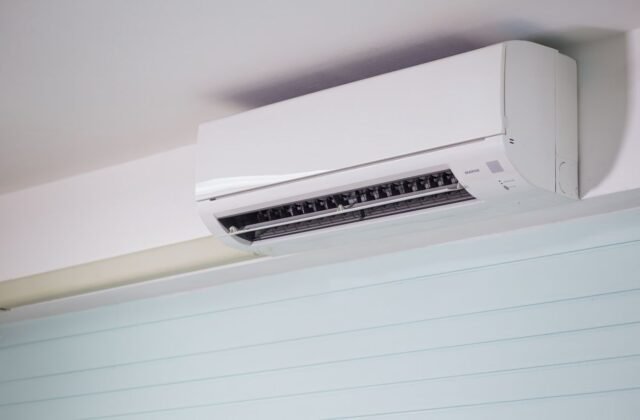
| Mini-split (single zone) | $3,000–$7,000 | Per-zone pricing; multi-zone systems scale up |
These are national planning ranges; dense metro markets and remote areas both run higher than the middle of the band. The worked example in the complete guide — a 2,000 sq ft home at roughly 30,400 BTU/hr (8.9 kW) in a moderate climate — would typically land at the smaller, less expensive end of the furnace and heat pump ranges, while the same house in an extreme-cold climate at roughly 60,800 BTU/hr (17.8 kW) needs substantially more capacity and budget.
Cost Factors That Move the Number
- Home complexity. Multi-story layouts, additions with different insulation, vaulted ceilings, and finished basements all add modeling time to a Manual J and installation labor to the equipment.
- Envelope condition. Leaky ducts in an unconditioned attic, undersized returns, or a failing flue can add thousands in remediation before the new system goes in. The pro tips guide explains how professionals account for duct losses.
- Fuel type and conversions. Switching from oil to gas, or gas to a heat pump, adds electrical, venting, or line-set work that a like-for-like swap avoids.
- Efficiency tier. Higher AFUE furnaces and higher HSPF2 heat pumps cost more upfront and less to run — the payback math depends on your fuel prices and climate.
- Permits and inspections. Most jurisdictions require a mechanical permit for equipment replacement; fees are modest but real, and some require the load calculation on file — confirm the specifics with your local building department.
- Regional labor markets. The same equipment installed in a high-cost metro can run 20–40% more than in a lower-cost region — always collect at least three local quotes.
The Cost of Getting the Size Wrong
Oversizing is the expensive mistake most people make on purpose. A furnace two sizes too big costs more to purchase, short-cycles through its lifespan (raising fuel use roughly 10–15% versus a right-sized unit in many field observations), and wears out the heat exchanger and blower prematurely — potentially pulling a 20-year lifespan down toward 12–15 years. Undersizing is rarer but worse: the system runs constantly on design days, comfort fails, and backup heat (often expensive electric resistance) erases any savings. A few hundred dollars for an accurate load figure protects a five-figure equipment investment, which is why the common mistakes guide treats sizing discipline as a money issue first and a comfort issue second.
Budgeting Workflow
A practical order of operations: 1) run the Heat Load Calculator with careful measurements to establish your target capacity; 2) get three contractor quotes specifying equipment size and efficiency; 3) reject any quote whose sizing you can’t reconcile with your number — ask for their Manual J; 4) budget 10–15% contingency for ductwork or venting surprises found at installation. The estimating guide helps make step one as accurate as possible.
Related Guides
- Complete Guide — the full heat load method, inputs, and worked example behind every cost decision.
- DIY vs. Pro — when to calculate the load yourself and when a paid Manual J earns its fee.
- Formula Explained — the Q = U × A × ΔT math so you can sanity-check any contractor’s numbers.
- Pro Tips — trade advice on sizing margins, duct losses, and heat pump derating.
- FAQ — answers to the most asked heat load and sizing questions.
Brief FAQ
Is a Manual J worth paying for? On a $6,000–$14,000 equipment purchase, a $200–$500 study that prevents a one-size oversize typically pays for itself in the first purchase alone — before counting operating savings.
Why do quotes for the same house differ so much? Equipment tier, ductwork scope, permit handling, and sizing assumptions all vary. Quotes that include a documented load calculation are the ones you can compare apples to apples.
Does a smaller system really cost less to run? A right-sized system runs longer, steadier cycles at its efficient operating point. An oversized system short-cycles, which hurts both efficiency and component life.
Get Your Number
Start with the load, then shop the equipment. Run your home through the Heat Load Calculator, take the BTU/hr and kilowatt figures into every quote conversation, and let the math — not the old unit’s nameplate, not a rule of thumb — set your budget and your size.
Disclaimer: Cost figures are typical US planning ranges for budgeting only and vary significantly by region, home condition, and market. Verify equipment sizing with a licensed HVAC professional and confirm permit and code requirements with your local building authority.
1 comment