Introduction
Some generator work is genuinely DIY-friendly: unboxing a portable, running it on extension cords, maintaining it. Other parts — anything wired into your house — belong to a licensed electrician, full stop. Knowing exactly where that line sits saves you from dangerous improvisation on one side and unnecessary service bills on the other.
Whatever route you take, start with the right size: the Generator Size Calculator tells you the kW rating your loads need before you decide how it gets installed. The code compliance guide covers the legal requirements behind the recommendations below.
Safely DIY: Portable + Extension Cords
This is the classic homeowner setup and it’s fully DIY-able: a portable generator powering appliances directly through heavy-duty outdoor extension cords. No panel work, no permits, no electrician. Your responsibilities:
- Size the generator correctly for the loads on the cords (running watts + largest surge + headroom).
- Use outdoor-rated cords of adequate gauge, as short as possible, never daisy-chained.
- Place the generator outdoors, ≥20 ft (6 m) from the house, exhaust away from windows — the pro tips guide covers placement and CO safety in full.
- Keep cords dry, protected from foot traffic, and away from water pooling.
- Follow the manual for break-in, oil, and maintenance.
Limits of this approach: no hardwired loads (furnace fan, well pump, hardwired sump pump) can be powered this way, cords through windows/doors are a security and weather compromise, and you’re manually managing everything during the outage. For many households this is enough — for others, it’s the argument for a transfer switch.
Hire a Pro: Anything Wired Into the House
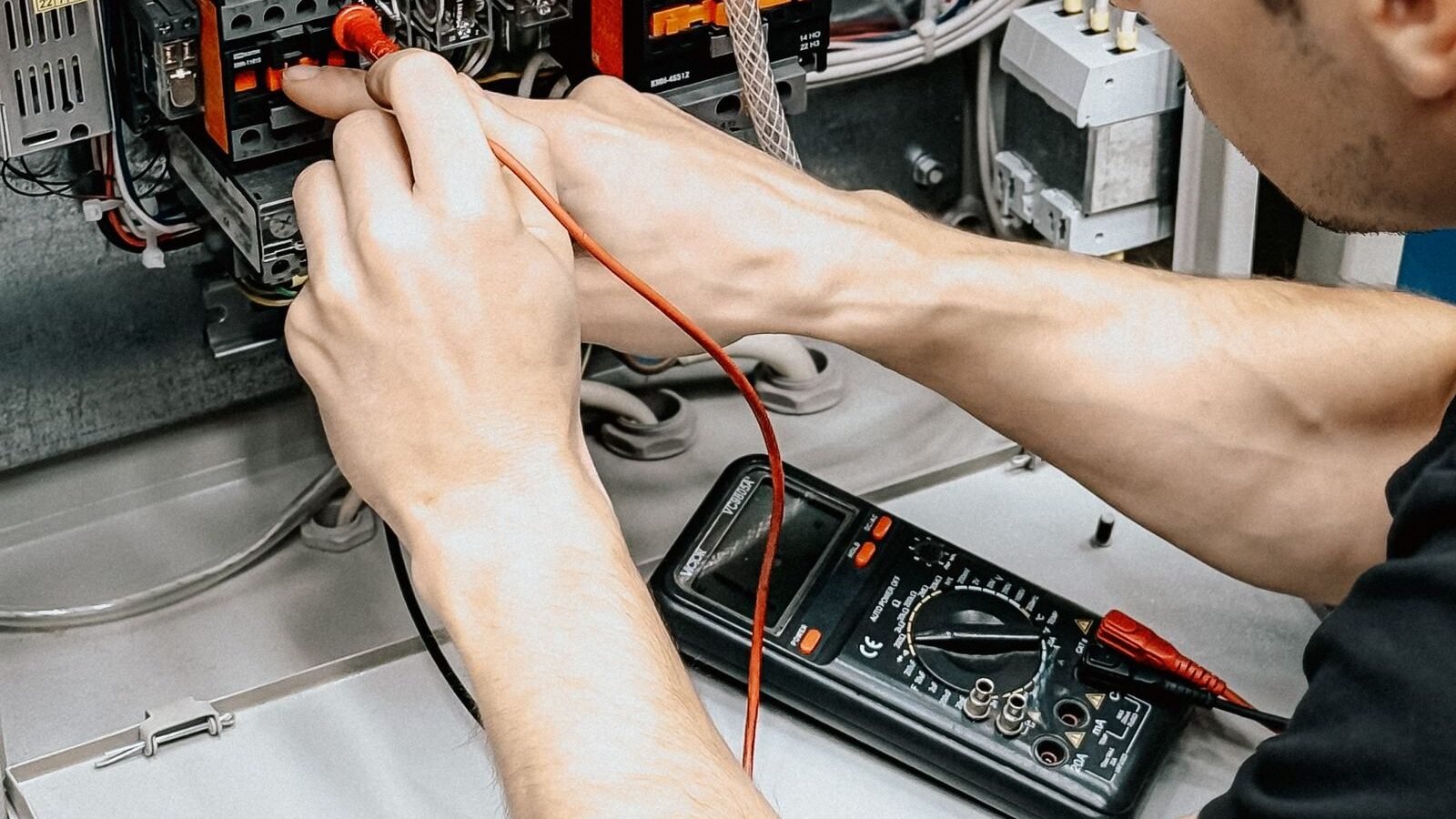
The moment a generator connects to your home’s electrical system — transfer switch, inlet box, interlock kit, standby unit — hire a licensed electrician. This isn’t gatekeeping; it’s three concrete reasons:
- Backfeed kills. Improperly connected generators energize utility lines. Transfer equipment must positively isolate your panel from the grid — a life-safety function, not a convenience feature.
- Code compliance. NEC Article 702 governs optional standby systems: transfer equipment, sizing, grounding, and signage requirements. Permits and inspections are typically required; your AHJ (authority having jurisdiction) has the final word.
- Insurance and liability. Unpermitted electrical work can void homeowners insurance claims and creates liability if something goes wrong.
What the electrician typically handles: load calculation review, transfer switch or interlock selection and installation, inlet box wiring, panel labeling, permit application, and inspection scheduling. What you can still do yourself: choose the generator, build the load list, buy the unit, handle all ongoing maintenance — and be present for the final walkthrough so you understand how to operate the transfer equipment under stress. Ask the electrician to label every backed-up circuit clearly at the panel; during an outage is the wrong time to guess which breaker feeds the sump pump.
The Middle Path: Pro-Installed Inlet + Portable
A popular compromise: an electrician installs a manual transfer switch (or code-approved interlock) and an outdoor inlet box — typically $500–$1,500 installed — and you plug your portable generator into the inlet during outages. You get:
- Safe, code-compliant power to hardwired circuits (furnace fan, well pump) without extension cords through windows.
- Portable-generator economics instead of standby pricing.
- A system that’s ready for a future standby upgrade (the inlet and much of the wiring concept transfers).
This is the sweet spot for households whose essentials include hardwired loads but whose budget or outage frequency doesn’t justify a $5,000–$15,000 standby installation. Compare the full economics in the cost guide.
Standby Units: Always Professional
Standby generators are never DIY: they involve high-current electrical connections, automatic transfer switches, natural gas or propane plumbing (licensed gas fitter territory), concrete pads, and strict clearance requirements. A proper standby install is a small project — get multiple quotes, verify licenses and insurance, and confirm permit/inspection handling in writing. The one DIY-friendly part: the ongoing maintenance schedule in your manual, plus keeping the area around the unit clear of vegetation and debris so airflow and service access stay unobstructed.
How to Choose Your Path
| Your situation | Sensible path |
|---|---|
| Essentials are all plug-in loads; outages short/rare | DIY portable + cords |
| Hardwired loads (furnace, well, sump) matter; budget-conscious | Pro-installed inlet/transfer switch + your portable |
| Whole-house incl. 240 V loads; frequent/long outages; want automation | Pro-installed standby system |
| Electronics-heavy or noise-sensitive | Inverter generator (either path above) |
Getting Quotes for Pro Work
When you hire out, get at least three written quotes from licensed electricians — and make sure they’re quoting the same scope. A useful quote specifies: the transfer equipment make and model, inlet box location, number of circuits on the transfer switch, permit handling (who applies, who pays), inspection scheduling, and warranty on workmanship. Ask each bidder to review your load list; a good electrician will sanity-check your sizing and flag problems (like a 240 V load your chosen portable can’t serve) before quoting. Be wary of quotes dramatically below the others — corners get cut on permits, wire gauge, or equipment listing. For standby installations, ask for references from recent installs and confirm the installer is authorized by the generator manufacturer, which often affects warranty coverage. Typical installed price bands for each path are in the cost guide.
Related Guides
- Code Compliance — NEC Article 702, permits, and inspection requirements.
- Cost Guide — typical prices for each installation path.
- Fuel & Equipment Guide — generator types, fuels, and transfer-switch options.
- Common Mistakes — including the backfeeding error.
- Pro Tips — safe operation habits for any setup.
Get Your Number
DIY or pro, the installation decision comes after the sizing decision. Run your loads through the Generator Size Calculator, match the answer to the path above, and get professional help for everything wired into the house.
Disclaimer: Calculator results are planning estimates only. Always verify wattage against your equipment nameplates. Electrical work must comply with the National Electrical Code and local code; transfer equipment and standby installations must be performed by a licensed electrician with proper permits. Contact your local authority having jurisdiction for specific requirements. Never operate a generator indoors or in enclosed spaces.
