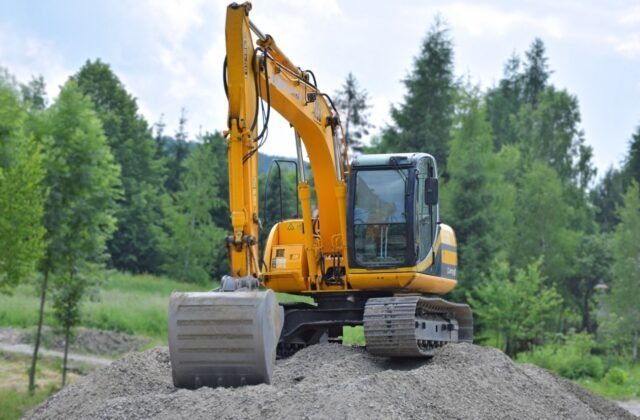
Introduction
Before the first bucket of dirt moves, there’s a layer of rules around the hole: permits, utility locates, setback requirements, shoring thresholds, erosion controls, and disposal regulations. None of them change the volume math – but all of them can stop the job, fine the operator, or turn a routine dig into a liability event if ignored. Code compliance for excavation is mostly about what surrounds the dig, not the dig itself.
The Excavation Volume Calculator handles the quantities; this guide covers the permissions, protections, and practices your local authority expects around them. Rules vary significantly by jurisdiction – treat everything here as a checklist of what to verify locally, not as the rule itself.
Permits: What Typically Needs One
Permit requirements vary by city, county, and country, but excavation permits commonly apply to:
- Foundation and basement work – almost always permitted as part of the building permit.
- Work near property lines or in easements – setback rules and neighbor-notification requirements often apply.
- Digs beyond a threshold depth – many jurisdictions set a depth (commonly around 4-5 ft) above which an excavation permit or engineered plan is required.
- Work in the public right-of-way – sidewalks, streets, and utility corridors need separate street-opening or encroachment permits.
- Grading that changes drainage – moving significant volumes can trigger grading permits and stormwater review.
Call or visit your local building or planning department before pricing the job – permit fees, review timelines, and inspection requirements belong in the budget and schedule from day one. What inspectors typically want to see (dimensions, depths, setbacks) maps directly to the measurements in the estimating guide.
Utility Locating: Non-Negotiable
Every jurisdiction has a utility-locate system – 811 (“Call Before You Dig”) in the US, with equivalent services in other countries. The process is the same everywhere:
- Call or file online several business days before digging (the required lead time is set locally – commonly 2-3 business days in the US).
- Mark your dig area with white paint or flags so locators know where to mark.
- Wait for the marks. Utilities are marked with standardized color codes (red electric, yellow gas, orange telecom, blue water, green sewer).
- Respect tolerance zones. Typically 18-24 inches on each side of a marked line – hand-dig only within the zone, never machine-dig.
- Note what’s not marked. Private lines (irrigation, propane, lines past the meter) are usually the owner’s responsibility to locate.
Striking a buried line is the single most expensive and dangerous mistake in excavation – the common mistakes guide ranks it accordingly. The locate request is free; the strike is not.
Excavation Safety Rules
Worker-safety regulations for excavations are strict because trench collapse is a leading cause of construction fatalities. Key principles (US OSHA 29 CFR 1926 Subpart P is the widely referenced standard; your jurisdiction has its equivalent):
- The 5 ft threshold. Excavations 5 ft (1.5 m) or deeper generally require a protective system – sloping, shoring, or shielding (trench boxes) – unless a competent person determines the soil allows otherwise.
- Competent person. Regulations typically require a designated competent person on site to classify soil, inspect the excavation daily (and after rain), and order corrective action.
- Access and egress. Ladders, ramps, or other means of exit are typically required within a set distance (25 ft laterally under OSHA) for trenches 4 ft or deeper.
- Spoil setback. Excavated soil must be kept back from the excavation edge (commonly at least 2 ft) so its weight doesn’t collapse the wall.
- Never undercut. Keep machines and their loads back from edges; an excavator’s weight near an unsupported wall is a collapse waiting for a trigger.
These are worker-protection rules, but they shape DIY decisions too – the DIY vs pro guide uses the 5 ft threshold as a hard hiring line. When in doubt, defer to the local authority having jurisdiction.
Setbacks From Structures
Digging near existing structures introduces structural risk that volume math doesn’t capture:
- Foundation undermining. Excavating below or beside a footing can remove its bearing support. The general rule: don’t excavate below the level of an adjacent footing within a 45-degree influence zone without engineered support.
- Retaining walls and slopes. Cutting at the toe of a slope or wall removes what holds it up – get engineering review.
- Neighboring property. Many jurisdictions restrict excavation near lot lines or require shoring to protect adjacent structures; some require neighbor notification.
- Septic systems and wells. Setback distances from septic components and wells are regulated and strictly enforced – verify before laying out the dig.
Erosion, Sediment, and Stormwater
Exposed soil plus rain equals sediment leaving your site – and regulators care:
- Silt fence and inlet protection are standard requirements on permitted jobs; budget $200-1,000 for basic controls on a residential dig.
- Stabilized construction entrances keep mud off public roads (tracked mud onto streets draws complaints and fines).
- Spoil pile management – cover or ring stockpiles so rain doesn’t wash them into drains or neighboring lots.
- Dewatering discharge may need a permit; pumping silty water into a storm drain is prohibited in most jurisdictions.
Hauling and Disposal Regulations
- Contaminated soil requires testing and licensed disposal – dramatically more expensive than clean fill. If the site history suggests contamination (old fuel tanks, industrial use), test before you dig.
- Clean-fill certification. Some fill sites require documentation that material is uncontaminated; keep load tickets and source records.
- Truck routing and weight limits. Local roads may restrict truck size, hours, or routes – confirm with the hauler, who usually knows the local rules.
- Wetlands and waterways. Excavation near wetlands, streams, or floodplains triggers additional permits (federal/state in the US). Verify the site’s status early.
Disposal cost implications are broken down in the cost guide, and material classifications in the material guide.
Related Guides
- Excavation Volume Calculator FAQ – quick answers to the most asked questions.
- Common Mistakes – the errors that cost real money.
- Estimating Guide – step-by-step method from site to quote.
- Cost Guide – turning volumes into a budget.
- Formula Explained – the math behind every number.
- Case Study – three hypothetical digs worked end to end.
Frequently Asked Questions
Do I need a permit to dig a hole in my yard?
It depends on depth, purpose, and location. Small shallow landscaping digs often don’t need one; foundation work, deep digs, work near property lines, and anything in a right-of-way usually do. Check with your local building department – it’s a five-minute call that prevents a stop-work order.
How far in advance do I call 811?
Typically 2-3 business days before digging in the US; the exact lead time is set by your state. Other countries have equivalent services with their own timelines. Plan the locate into the schedule – it’s on the critical path.
What is a competent person for excavation safety?
A designated individual capable of identifying excavation hazards and authorized to take corrective action – required on regulated excavation sites. For DIY work, the practical takeaway is: if the dig is deep enough to need a competent person, it’s deep enough to hire a pro.
Can I excavate next to my neighbor’s fence?
Possibly, with restrictions. Setback rules, shoring requirements to protect adjacent property, and sometimes neighbor notification apply. Check local rules before laying out the dig – undermining a neighbor’s structure creates liability that dwarfs the project budget.
What happens if I dig without a required permit?
Typically a stop-work order, fines, and a requirement to bring the work into compliance – which can mean engineered drawings, inspections of already-buried work (sometimes requiring re-excavation), and permit fees at penalty rates. Always cheaper to permit first.
Who is responsible for private utility lines?
Usually the property owner. Public locate services mark utility-owned lines up to the meter or demarcation point; irrigation, landscape lighting, propane lines, and service lines past the meter are yours to find – often with a private locator.
Get Your Number
Compliance is a verification loop, not a single step: check permits with the building department, call the utility locate and wait for marks, respect the 5 ft protective-system threshold, keep spoil back from edges, control sediment, and document disposal. The Excavation Volume Calculator gives you the quantities to put on the permit application and the haul tickets – this guide makes sure the work around those numbers keeps you legal, safe, and on schedule.
Disclaimer: This guide summarizes common regulatory themes for planning purposes only and is not legal advice. Excavation rules vary significantly by jurisdiction. Always verify permit, safety, setback, and disposal requirements with your local building authority and utility-locate service before digging, and consult licensed professionals for structural or engineered work.