Introduction
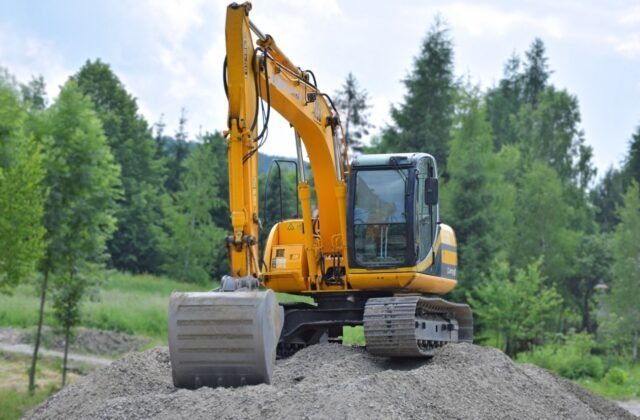
A mini-excavator rents for $250–$450 a day, and a contractor quotes $3,000 for the same trench — so renting looks like a 90% saving. Should you rent the machine or hire the excavation out? The honest answer compares the true all-in DIY cost (rental, delivery, fuel, trucking, tipping, your days, your risk) against the contractor’s price — and weighs skill and safety alongside money. This guide runs both sides fairly.
The Excavation Cost Calculator prices the volume either way — run your cut through it first, then use this guide to decide whose hands go on the controls. The cost guide has the full rate tables referenced below.
The True All-In DIY Cost
The rental quote is the down payment, not the price. A realistic DIY budget for a weekend trench job:
| DIY line item | Typical US cost |
|---|---|
| Mini-excavator rental, 2 days | $500–$900 |
| Delivery and pickup | $300–$800 |
| Fuel (diesel) | $50–$120 |
| Damage waiver / insurance | $50–$150 |
| Spoil hauling (rented dump trailer or hired trucks) | $400–$1,200 |
| Tipping fees | $150–$450 |
| Your time (2–3 days) | Valued however you value it |
| Realistic DIY total | $1,450–$3,620 + your time |
Against a contractor quote of $2,500–$3,500 for the same small trench, the saving is real but far smaller than the rental rate suggests — often 20–40%, not 90%. And the DIY column carries risks the contractor’s price absorbs: hitting an unmarked utility, undermining a nearby structure, or getting the machine stuck (recovery alone can cost $500+). Price those at their expected value, not zero.
Skill: The Learning Curve Is Real
Modern mini-excavators are remarkably learnable — most people can dig a rough trench within a few hours. But “digging a hole” and “excavating to grade” are different skills:
- Grade control: holding a trench bottom within 2–3 cm (1 in) of design elevation takes practice; beginners over-dig, and over-dig bills twice (dig it out, import fill back).
- Trench safety: knowing when a trench needs sloping or shoring, keeping spoil back from the edge, never entering an unprotected trench past 1.5 m (5 ft).
- Machine limits: side-slope stability, soft-ground operation, underground and overhead hazards — the things rental-yard orientations cover in ten minutes and experience teaches over years.
A beginner’s production rate is roughly a third to half of an operator’s. That 30-yd³ trench the contractor digs in half a day is your full weekend — which is fine if your weekend is available and the trench isn’t structural, and a problem if the concrete crew arrives Monday.
Safety: The Non-Negotiables
Excavation kills more DIYers and workers than almost any other residential construction activity, mostly through two mechanisms: trench collapse (a cubic meter of soil weighs 1.5–2 tons; a collapse buries before anyone can react) and utility strikes (gas, electric). The rules that keep you alive:
- Call 811 (US) before digging — free, and legally required in most states. The code compliance guide covers locates and permits.
- Never enter a trench deeper than 1.5 m (5 ft) without sloping, shoring, or a trench box — no exceptions for “just a minute.”
- Keep spoil at least 0.6 m (2 ft) from the trench edge; keep the machine’s weight back from the edge too.
- Assume every buried line is live until proven otherwise; hand-dig within the tolerance zone around marks.
- Wear the seatbelt; rollovers on slopes are the leading machine fatality.
If any of that sounds like overkill for your project, that’s useful information — it means the project belongs with a professional.
When DIY Makes Sense
- Small, shallow, non-structural digging: drainage trenches, French drains, small footings, stump removal, grading touch-ups — typically under 30–40 yd³ (23–30 m³).
- Easy ground, open access: loam or sand, no rock, room to maneuver and stockpile spoil on site.
- Flexible schedule: no crew waiting on your hole Monday morning; you can take the weekend (or two).
- You’ve run a machine before — or have a full day to practice on non-critical digging first.
- Utilities are located and the dig is clear of structures.
- You’ve run the pre-excavation checklist — locates, access, and spoil planning apply to DIY digs too.
When to Hire a Pro — No Debate
- Basements and structural foundations: grade tolerances, dewatering, and shoring are professional work; the cost of a mistake dwarfs the saving.
- Rock or unknown ground: hammers, ripping, and rock clauses belong to contractors with the attachments and the experience.
- Deep trenches (past ~1.5 m / 5 ft): trench safety engineering — sloping, shoring, boxes — is regulated work for good reason.
- Tight urban sites: overhead wires, adjacent foundations, public sidewalks, traffic control.
- Anything on a critical path: if the foundation crew, the concrete, or the inspection is scheduled, pay for guaranteed production.
- Contaminated or suspicious soil: testing, handling, and licensed disposal are not DIY activities.
Side-by-Side: 30-Yard Trench, Both Paths
| DIY (mini-ex rental) | Hire contractor | |
|---|---|---|
| Cash cost | $1,450–$3,620 | $2,500–$4,000 |
| Your time | 2–3 days | An hour of supervision |
| Production risk | Yours — weather, breakdowns, learning curve | Theirs — fixed price, scheduled |
| Utility strike risk | Yours | Theirs (insured) |
| Grade accuracy | Beginner ±10 cm (4 in) | Pro ±2–3 cm (1 in) |
| Rock encounter | Rental can’t handle it; job stops | Hammer on call; rock clause applies |
The pattern: DIY wins on cash for small simple jobs where your time is flexible and the ground is kind. Contractors win everywhere the downside is large — which is most of the jobs that matter. Many experienced homeowners land in the middle: DIY the easy trenching and grading, hire the structural digs.
Related Guides
- Complete Excavation Guide — cost drivers, equipment, and soil classes in one overview.
- Excavation Pricing Guide — rental rates, wages, and hauling costs.
- Code Compliance — permits, locates, and trench safety rules.
- Soil and Rock Guide — what “easy ground” actually means.
- Pro Tips — getting accurate bids if you decide to hire.
- Pre-Excavation Checklist — locates, access, and spoil planning for either path.
Get Your Number
Run your cut through the Excavation Cost Calculator, price the DIY column honestly — delivery, fuel, hauling, tipping, and your days — and get two contractor bids for comparison. If the saving is under 30% and the dig is structural, deep, or rocky, hire it out; if the job is small, shallow, and simple, the rental yard is calling. Either way, call 811 first.
Disclaimer: Calculator results are planning estimates based on the dimensions and rates you enter. Actual excavation costs vary with soil conditions, site access, haul distances, and local rates. Verify with local contractors and your local building authority for permits and utility requirements.