Introduction
Numbers are easier to trust when you can see them assembled into a real budget. Below is a fully itemized deck project — every board, footing, and fee — showing how the estimating formulas turn into a final number, and which decisions moved that number most.
Hypothetical case study — illustrative example, not a real project. All quantities, prices, and outcomes below are constructed for teaching purposes using typical US planning ranges. Your project will differ; use the Deck Cost Calculator to build the equivalent budget for your own dimensions.
The Project
Hypothetical case study — illustrative example, not a real project.
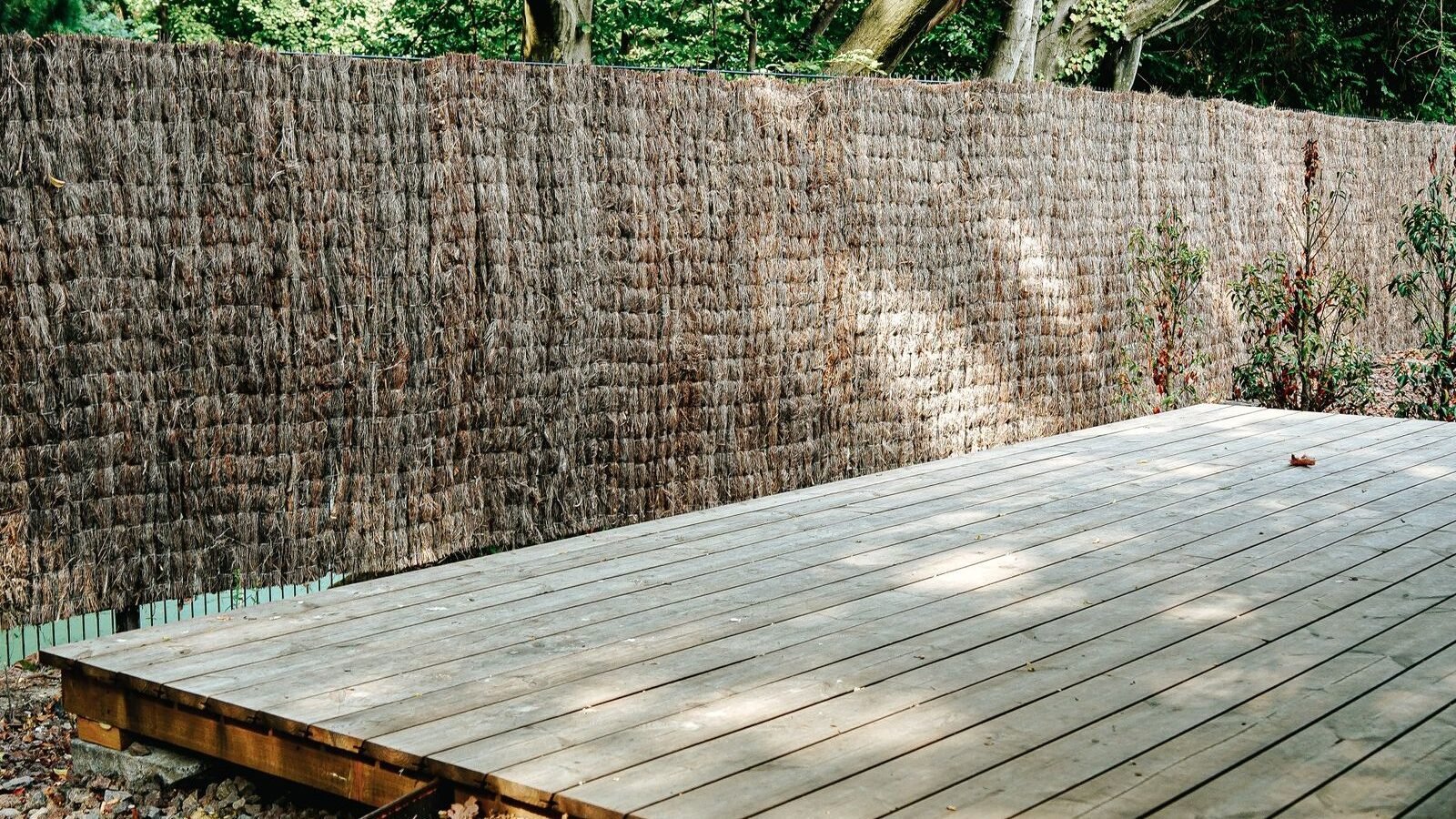
The scenario: a single-level attached deck, 16 × 20 ft (320 sq ft / 29.7 m²), replacing an aging structure on a suburban home. Design decisions: mid-range composite decking in a straight pattern, pressure-treated framing, aluminum railing on the view side with wood railing elsewhere, one stair run to grade, six concrete footings. Professional installation. The homeowner’s goals: low maintenance, a 25-year horizon, and a firm budget ceiling.
The Estimate, Line by Line
Quantities follow the standard estimating sequence (see the estimating guide); prices are typical planning rates:
| Line item | Quantity | Planning rate | Line total |
|---|---|---|---|
| Composite decking boards | 748 lf (incl. 10% waste) | $3.50/lf | $2,618 |
| Hidden fastener clips | ~1,100 | $0.75 ea | $825 |
| Framing lumber (joists, beams, posts, ledger) | ~420 lf | ~$1.75/lf | $735 |
| Structural hardware (hangers, bases, ties, ledger fasteners, flashing) | lot | — | $450 |
| Aluminum railing (view side, 20 lf) | 20 lf | $95/lf | $1,900 |
| Wood railing (remaining 32 lf) | 32 lf | $45/lf | $1,440 |
| Footings (installed) | 6 ea | $250/ea | $1,500 |
| Concrete (included in footing price above) | — | — | $0 |
| Stairs (1 run, composite treads) | 1 ea | $600 | $600 |
| Permit + inspections | 1 ea | $300 | $300 |
| Delivery | 1 ea | $100 | $100 |
| Materials + direct costs | $10,468 | ||
| Labor (contractor) | lot | — | $7,500 |
| Project total | $17,968 | ||
| Per sq ft | $56.15 |
Where the Money Went
Hypothetical case study — illustrative example, not a real project.
Three decisions dominated this budget:
- Composite decking (+~$1,700 vs pressure-treated). The decking line plus hidden fasteners ran $3,443 vs ~$1,200 for a PT equivalent. Justified by the 25-year, low-maintenance goal — but it was the largest single premium.
- Mixed railing strategy (saved ~$1,500). Full aluminum railing on all 52 ft would have cost ~$4,940; using it only on the 20-ft view side and wood elsewhere cost $3,340. Same view, 32% less railing spend.
- Professional installation ($7,500, 42% of total). Labor is the largest line, as it is on most contracted decks. A DIY build of this design would have cost roughly $10,500 in cash — the labor premium bought speed, warranty, and professional handling of the ledger and inspections.
The per-square-foot result ($56.15) sits just above the typical $45–$55 composite range — explained by the aluminum railing section and the single stair run. That’s exactly what the per-sq-ft sanity check is for: it flags which lines to scrutinize, and here both check out. Compare bid structures like this against the cost guide ranges.
What Would Change the Number
Hypothetical case study — illustrative example, not a real project.
- All-wood railing instead of mixed: saves ~$1,900 but adds maintenance and loses the view-side openness.
- Pressure-treated decking instead of composite: saves ~$2,200 upfront; adds ~$150–$300 in stain/seal every 2–3 years and a shorter replacement horizon.
- DIY the decking and railing, pro the structure: the hybrid path from the DIY vs pro guide — saves an estimated $3,000–$4,000 in labor while keeping structural work professional.
- Diagonal decking pattern: adds ~5–10% more decking (waste rises to 15–20%) plus extra labor — roughly $800–$1,200 on this project for aesthetics alone.
- Second stair run or a second level: each adds thousands; footprint complexity is the fastest budget escalator.
Lessons From This (Hypothetical) Build
Hypothetical case study — illustrative example, not a real project.
- Price the system, not the board. The composite “premium” was fasteners + railing as much as decking.
- Railing strategy is a budget tool. Mixing railing types by elevation/view saved more than any haggling could.
- The per-sq-ft check catches omissions. Landing near the expected range confirmed nothing major was missing.
- Permit early. In this scenario, permit approval took three weeks — on the critical path, not an afterthought. The code compliance guide covers the sequencing.
- Line items beat lump sums. Every decision above was possible because the budget was itemized; a single $18,000 quote offers no levers to pull.
Adapting This Budget to Your Deck
Hypothetical case study — illustrative example, not a real project.
To reuse this budget’s structure for your own project, scale the quantity-driven lines and re-price the judgment-driven ones. Scale decking, framing, and fasteners by area ratio: a 240 sq ft deck (75% of this example) needs roughly 75% of the board and screw quantities. Scale railing and footings by your actual layout — these follow perimeter and beam lines, not area, so sketch first and count fresh using the estimating guide. Then replace every planning rate with a local supplier quote and the labor line with real bids; rates are the part of any example that ages fastest and varies most by market. Keep the line-item structure intact — it’s the structure, not the numbers, that makes a budget adjustable.
Related Guides
- Deck Cost Guide — the component ranges behind this budget.
- Estimating Guide — the workflow that produced these quantities.
- Deck Material Guide — the tier trade-offs this project navigated.
- DIY vs Pro — the labor decision behind the biggest line.
- Deck Build Checklist — audit your own version before ordering.
Get Your Number
This hypothetical project’s budget came from the same sequence you can run yourself: dimensions → quantities → line items → total. Build yours in the Deck Cost Calculator, then pull the same levers — material tier, railing strategy, labor path — and watch your number respond.
Disclaimer: Calculator results are planning estimates based on the dimensions and selections you enter. Actual deck costs vary with regional pricing, site conditions, design complexity, and labor markets. Verify quantities and prices with local suppliers and contractors, and consult a licensed professional or local building authority for structural, permit, and code-related decisions.