Introduction
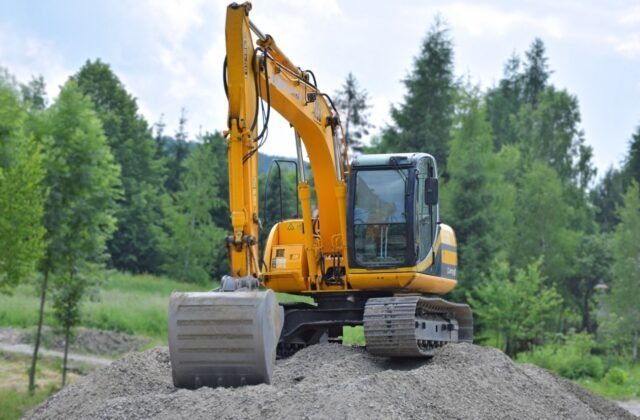
At some point every grading project faces the same fork: rent the machine and do it yourself, or hire someone who does it every day. The math of cut and fill doesn’t care who runs the excavator – but the outcome does. An experienced operator reads grade by feel, sequences cut before fill without being told, and spots the soft spot before the roller finds it. A first-timer learns all of that on your pad, on your dime, on your schedule.
The Cut and Fill Calculator gives both paths the same starting point: your cut, fill, and net balance in cubic yards and cubic meters. This guide helps you decide which path fits your project – honestly, including the cases where DIY is the wrong answer.
When DIY Makes Sense
Doing your own grading works when the project is small, simple, and forgiving:
- Small volumes – under roughly 50-100 yd3 (38-76 m3) of total earthwork. A weekend with a rented mini excavator handles this comfortably.
- Simple geometry – a single rectangular pad or a short driveway section, one design elevation, no complex drainage ties.
- Non-structural use – landscaping berms, garden terraces, shed pads, and rough grading where minor settlement is cosmetic, not catastrophic.
- Good access – equipment can reach the site and maneuver without tight-quarter ballet.
- Known soil – common earth or sand, no rock, no high water table, no surprises in the test holes.
- Your time is flexible – a pro finishes in hours what takes a beginner days, and rental meters run whether you’re productive or learning.
Typical DIY economics: mini excavator rental $250-$450/day, plus delivery ($100-$300 each way), fuel, and a compaction plate or roller rental. A 50 ft x 40 ft pad like the worked example – 111 yd3 of cut – is a long weekend for a beginner, a day and a half for someone with seat time. The estimating guide gives you the measurement workflow to do the layout yourself.
When to Hire a Pro
Bring in a licensed grading contractor when any of these apply:
- Structural pads – anything under a foundation, slab, or retaining wall. Compaction quality and verification matter, and pros own the testing relationships.
- Large volumes – above roughly 200-300 yd3 (150-230 m3), where equipment sizing, sequencing, and truck logistics dominate. Pros move dirt 3-5x faster per hour.
- Drainage complexity – tying into existing storm systems, regrading around structures, or sites where getting drainage wrong damages buildings.
- Permits and inspections – many jurisdictions require licensed contractors for permitted grading work, and inspectors speak their language.
- Difficult soil or rock – clay that needs moisture management, rock that needs breaking, or wet ground that needs dewatering judgment.
- Tight schedule – pros mobilize the right size machine and finish in days; DIY stretches across rental periods.
- Hauling logistics – significant import or export means truck scheduling, dump site arrangements, and ticket tracking that contractors handle routinely.
The permit question alone decides many projects – check requirements with your local authority before assuming DIY is an option, as explained in the code compliance guide.
Cost Comparison
Planning ranges only – regional variation is large. Based on the standard 50 ft x 40 ft pad example (111 bank yd3 cut, 74 compacted yd3 fill, ~26 yd3 export):
| Cost item | DIY (rental) planning range | Pro contractor planning range |
|---|---|---|
| Equipment | $800-$1,500 (3-day rental + delivery + fuel) | Included in quote |
| Labor/operator | Your weekends | $1,500-$3,000 |
| Export hauling (3 loads) | $900-$1,500 (hired trucks) | $900-$1,500 |
| Compaction verification | $300-$600 (testing lab, if needed) | Often included |
| Planning total | $2,000-$3,600 + your time | $2,500-$4,500 turnkey |
The gap is smaller than most people expect – and it narrows further when DIY takes extra rental days. The pro premium buys speed, grade accuracy, compaction quality, and someone to call if it settles. The cost guide breaks down each component in detail.
The Risks, Honestly
| DIY risk | What it costs if it goes wrong |
|---|---|
| Poor compaction | Settlement under slabs/driveways; rework costs multiples of doing it right |
| Wrong grades | Drainage toward the house; re-mobilizing equipment to fix |
| Over-excavation | Fill you must buy back and compact – the most expensive fill there is |
| Equipment damage or injury | Rental damage waivers help; safety training is on you |
| Permit violations | Fines and stop-work orders; check requirements first |
None of these are arguments against DIY in principle – they’re arguments for matching the project to your skill. A garden terrace forgives; a house pad doesn’t. The common mistakes guide is worth reading before either path, since pros and beginners make the same estimating errors.
The Hybrid Option
A middle path works well for many homeowners: do the measuring and layout yourself (stakes, grid, elevations – the checklist walks through it), then hire an operator with their own machine for a day or half day to do the actual cutting and filling. You save the layout markup, the operator brings the skill, and you supervise grades with your level. For straightforward pads, this often lands 20-30% below a full turnkey quote with near-pro quality.
Related Guides
- Cut and Fill Calculator: Complete Guide – terminology, formulas, and the full worked example.
- Cut and Fill Calculator Cost Guide – detailed cost breakdowns for each component.
- Cut and Fill Calculator: Code Compliance – permits and requirements to check first.
- Cut and Fill Calculator Estimating Guide – measure and lay out the job yourself.
- Cut and Fill Calculator Pro Tips – field techniques that improve any grading job.
Frequently Asked Questions
How much can I save doing my own grading?
On small simple jobs, typically 20-40% below a turnkey contractor quote – but the savings shrink if the rental stretches over extra days. Value your time honestly and get a contractor quote first so you’re comparing against a real number.
What equipment do I need for a small pad?
A mini excavator (1.5-3 ton) handles cutting and loading; a plate compactor or small roller handles fill compaction. For spreading, many DIYers add a small skid steer. Match machine size to access – bigger is faster but needs room.
Can I do structural fill myself?
You can place it, but structural fill usually needs verified compaction (proctor testing through a lab), and many jurisdictions want licensed contractors on structural grading. Check local requirements before deciding.
How do I find a good grading contractor?
Get three quotes with your own cut/fill/net volumes in hand, ask for recent similar jobs you can drive past, confirm licensing and insurance, and ask how they verify compaction. Contractors price more competitively against owner-supplied quantities.
What should I do myself even if I hire out?
The measuring and layout: define the area, shoot the grid, compute the volumes. It costs you a day, gives you quantities to bid against, and lets you verify the contractor’s numbers.
Get Your Number
The decision isn’t about pride – it’s about matching project demands to available skill. Small, simple, non-structural: DIY or hybrid is sensible. Structural, permitted, or drainage-critical: hire it. Either way, start with your own measurements in the Cut and Fill Calculator so you bid, budget, and supervise from real numbers instead of someone else’s assumptions.
Disclaimer: Calculator results are planning estimates based on the dimensions you enter. Cost figures are typical planning ranges, not quotes, and vary by region. Verify quantities and pricing with local contractors, check permit and licensing requirements with your local building authority, and consult a licensed professional for structural grading decisions.