Introduction
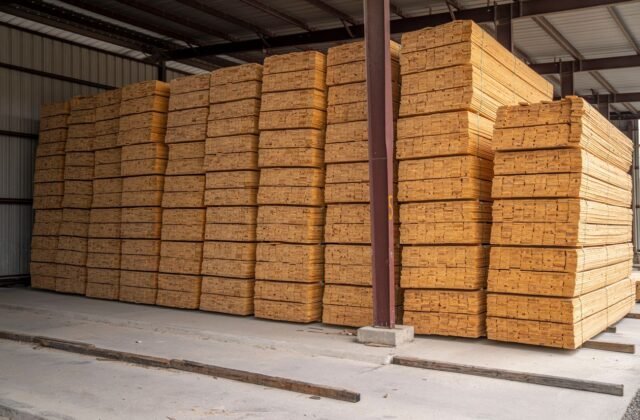
Not all cedar is the same wood. Three species reach the North American market, four main grades sort the boards, and every board is sold either rough-sawn or surfaced — each choice changing the price, the waste factor, and where the board belongs. Buying cedar without understanding this ladder is how fences get built from $6-per-foot clear stock and siding from knotty boards that bleed within two seasons.
The Cedar Lumber Calculator works with whatever species and grade you feed it — the quantities don’t care. This guide makes sure you feed it the right material for the job.
The Three Cedar Species
Western red cedar (Thuja plicata)
The default “cedar” in North American lumber yards — roughly 90%+ of cedar sold for fencing, decking, and siding. Light (about 23 lb/ft³ / 370 kg/m³), straight-grained, rich in thujaplicins that give it natural resistance to rot, decay, and insects. Color ranges from reddish-brown heartwood to pale sapwood; weathers to silver-gray if unfinished. When a price or estimate says “cedar” without qualification, this is the species.
Incense cedar (Calocedrus decurrens)
A California and southern Oregon species, slightly denser and more aromatic than western red. Common in pencil stock and specialty millwork; occasionally sold as fencing and decking in its home region. Treat its estimating math identically — dimensions and grades follow the same conventions — but availability outside the West is limited.
Alaskan yellow cedar (Callitropsis nootkatensis)
Denser, harder, and more expensive than western red, with a pale yellow color and exceptional decay resistance. Used for boat building, outdoor furniture, and high-end decking where hardness matters. Expect a significant premium over western red; estimate it the same way, but verify per-unit pricing carefully since retail availability is thin.
For the rest of this guide, “cedar” means western red cedar unless noted.
The Grade Ladder
Cedar appearance grades sort boards by knots, grain, and defects. Price tracks grade closely — clear heart can cost 60–80% more than STK from the same mill.
| Grade | What it means | Best uses | Typical waste |
|---|---|---|---|
| Clear heart | Knot-free, vertical grain, all heartwood | Fine trim, high-end siding, furniture | 5% |
| A & Better (A&BTR) | Near-clear, tight grain, tiny defects allowed | Deck surfaces, quality siding | 5–10% |
| STK (select tight knot) | Sound, tight knots allowed; no loose knots | Fences, pergolas, general exterior | 10% |
| #2 / Common | Knots, some wane and defects | Rustic fences, hidden framing, garden beds | 10–15% |
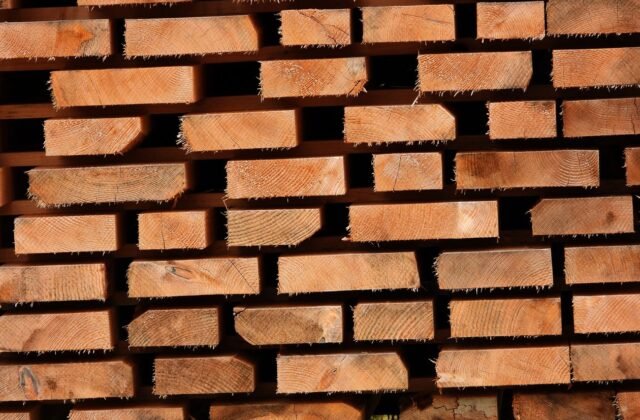
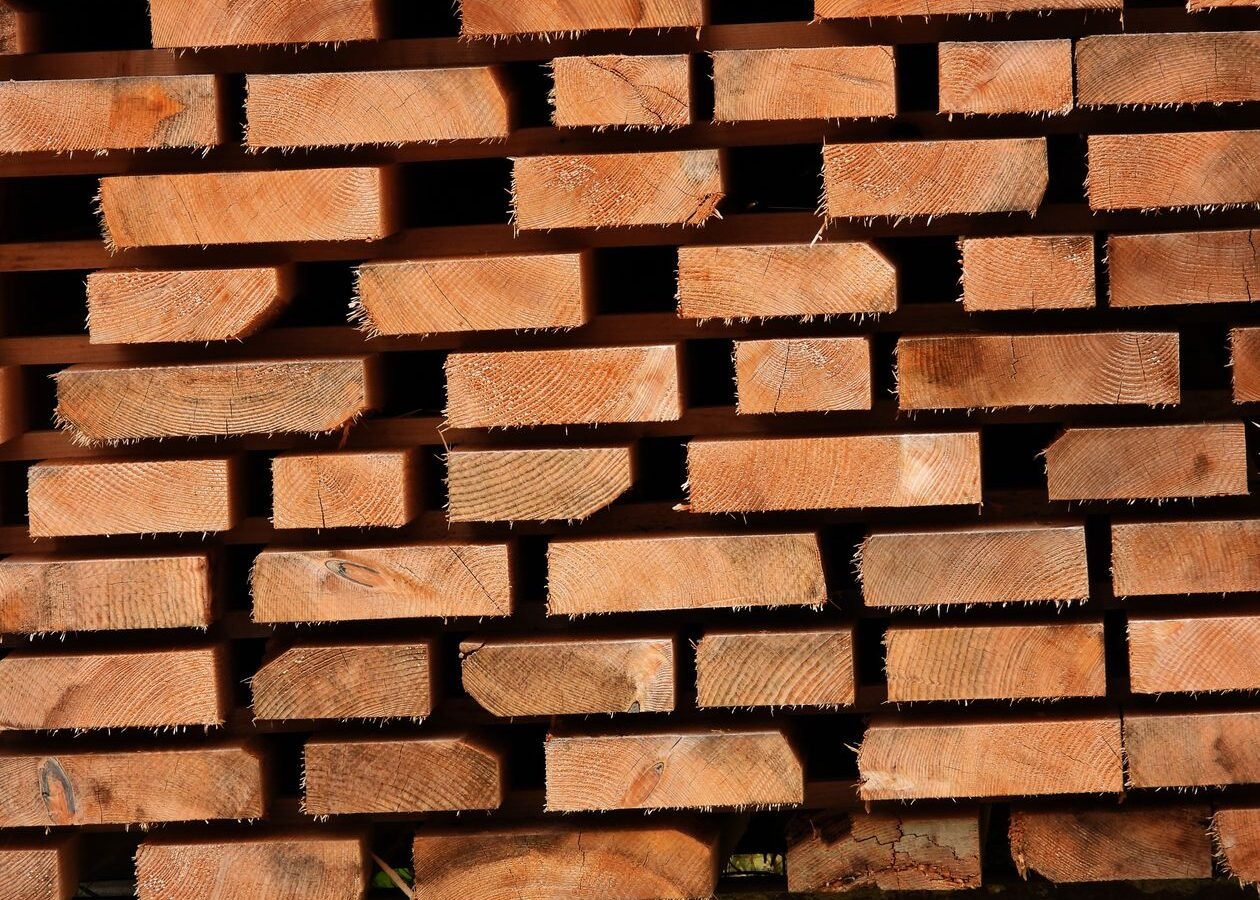
Two grade subtleties worth knowing. First, “tight knot” versus “loose knot”: STK knots are intergrown with the surrounding wood and stay put; #2 may include loose or black knots that fall out. Second, sapwood versus heartwood: the pale sapwood band on a board’s edge has far less decay resistance than heartwood — on siding and decking, orient sapwood away from weather exposure where you can.
Rough-Sawn vs. S4S
S4S (surfaced four sides) is planed smooth on all faces — the standard retail board, and what most dimensions in this guide assume. Rough-sawn (sometimes “resawn”) cedar keeps the textured mill-sawn face, measures slightly fuller, and typically costs 10–20% less than S4S.
- Choose S4S for decking, siding, and any surface hands touch — smooth, consistent dimensions, easier finishing.
- Choose rough-sawn for rustic fences, pergolas, and timber framing, where texture is a feature and the savings are real. Note that rough-sawn dimensions run slightly over nominal-surfaced sizes, so confirm actual widths before estimating — a rough 1×6 may cover 5-3/4 in rather than 5-1/2.
Siding Patterns and Exposures
Siding estimating changes with the pattern, because overlap consumes board:
- Bevel (clapboard): the classic lapped siding. With 6 in boards at 5 in exposure, each linear foot of board covers about 1.67 sq ft of wall… more usefully: wall square footage ÷ (exposure in feet) = linear feet of siding. A 1,000 sq ft wall at 6 in (0.5 ft) exposure needs 2,000 linear feet before waste and openings.
- Tongue-and-groove / channel rustic: boards interlock with minimal overlap loss; coverage ≈ face width, so wall area converts nearly directly. Popular for soffits, porch ceilings, and accent walls.
- Board-and-batten: wide boards with narrow battens over the gaps — estimate boards and battens as two separate line items.
Siding is the one application where the grade guidance is strictest: buy A&BTR or better for the weather face. Knots in siding bleed resin, check open, and telegraph through finish — the common mistakes guide shows what that looks like two years on.
What the Grades Cost You
Grade selection is a budget decision as much as a quality one. As typical planning ranges: STK 1×6 fencing sits at the commodity end; stepping up to A&BTR adds roughly 25–40%; clear heart adds 60–80% over STK. On a 100-ft fence needing ~1,380 linear feet of picket stock, the jump from STK to clear can add $800–$1,200 in material alone — for boards viewed from twenty feet away. The cost guide turns these premiums into full project budgets, and the estimating guide shows how grade changes the waste factor in the math.
Reading the Grade Stamp
Every cedar board sold through a reputable yard carries a grade stamp or tag identifying the species, grade, mill, and moisture content. Learning to read it takes five minutes and prevents the most common purchasing mistake: paying clear-grade prices for knotty stock, or vice versa. Ask the yard to show you the difference between their “A and Better,” “Select Knotty,” and “STK” piles side by side — the visual lesson sticks far better than any written description.
Related Guides
- The Complete Guide — full overview of cedar estimating with a worked fence example.
- Formula Explained — board counts, linear feet, and grade-based waste factors.
- Cost Guide — what each grade costs in real project budgets.
- Pro Tips — buying, acclimation, and finishing for each grade.
- Common Mistakes — wrong-grade and wrong-species errors to avoid.
Get Your Number
Pick the species your yard stocks (usually western red), the grade your application deserves, and the surface (S4S or rough) your design wants — then let the Cedar Lumber Calculator convert those choices into boards, linear feet, and board feet. The right material estimated tightly beats the wrong material estimated generously, every time.
Disclaimer: Calculator results are planning estimates based on the dimensions you enter. Actual material needs vary with site conditions, product availability, and local pricing. Verify quantities with your supplier and consult a licensed professional for structural or code-related decisions.