Introduction
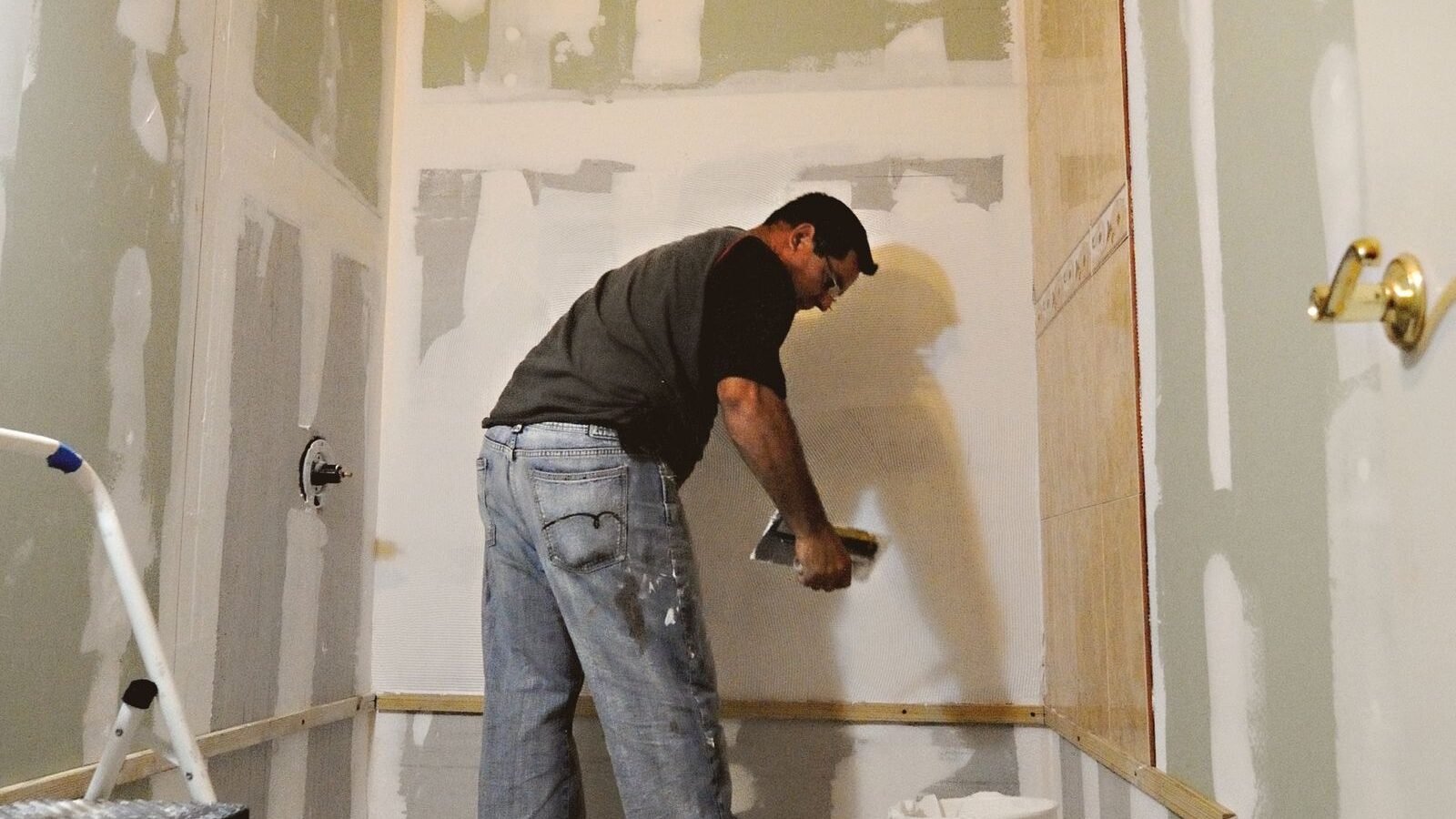
Taping and finishing drywall is the most skill-sensitive part of the whole drywall job — hanging board is carpentry, but finishing is craft. That makes the DIY-vs-pro decision real: a careful beginner can produce a good finish, but it takes 3–4× longer than a pro crew, and the difference shows under gloss paint and raking light. This guide compares the two paths honestly on cost, time, skill, and finish quality so you can choose with eyes open.
Whichever path you choose, the material math is the same. Run the Drywall Mud Calculator for your quantity first — then decide whose hands apply it.
Cost Comparison
Using the reference bedroom — 551.8 sq ft (51.26 m²) of drywall, three smooth coats:
| DIY | Hired pro | |
|---|---|---|
| Compound (one 5-gal bucket) | $25–$45 | Included |
| Tape, bead, consumables | $15–$25 | Included |
| Tools (knives, pan, sanding, mask) | $40–$80 (reusable) | — |
| Labor | Your weekends | $450–$900 flat per room typical |
| Bedroom total | ~$80–$150 | ~$450–$900 |
At whole-house scale the gap widens: 2,000 sq ft of drywall needs ~17.6 gal (≈ $140 in mud) DIY vs. $4,000–$8,000 hired at $2–$4/sq ft. Full price tables are in the cost guide. The DIY savings are real — the question is what your time and finish quality are worth.
Time Comparison
| Phase (bedroom) | DIY first-timer | Pro crew |
|---|---|---|
| Tape coat | 1 day | Half day |
| Fill coat (+ dry time) | 1 day + 1–2 days drying | 1 day |
| Finish coat (+ dry time) | 1 day + 1–2 days drying | 1 day |
| Sand + touch-up | Half–1 day | Half day |
| Calendar total | 5–8 days | 2–3 days |
The multiplier is drying, not just speed: pros sequence with setting-type compound to recoat same-day, while a DIYer on ready-mix waits ~24 hours between coats. A whole house DIY can stretch to 3–6 weekends; a crew does it in under two weeks. If you’re on a move-in deadline, that calendar math decides for you.
Skill and Finish Quality: Know the Levels
The industry grades finishes Level 0–5. This is the honest self-assessment tool:
| Level | Description | DIY realistic? |
|---|---|---|
| Level 1–2 | Tape embedded, one coat — for garages, behind tile | Yes, easily |
| Level 3 | Two coats — for heavy texture | Yes |
| Level 4 | Three coats, smooth — the standard for flat/matte paint | Yes, with patience and raking-light checks |
| Level 5 | Full skim coat over everything — for gloss paint, critical lighting | Hard — hire unless you’ve done Level 4 well before |
The jump from Level 4 to Level 5 is where DIY most often disappoints: a skim coat over hundreds of square feet, perfectly flat, under gloss paint, is genuinely expert work. Match your ambition to the paint sheen — the pro tips guide covers the technique ladder.
Decision Framework
- DIY it when: one or two rooms, flat or matte paint planned, schedule is flexible, and you want the skill (it transfers to every future repair).
- Hire it when: whole-house scale, gloss or semi-gloss paint, Level 5 specified, vaulted ceilings, or a hard deadline like a move-in date.
- Split it when: hang the board yourself (the easy half), hire the finishing (the skilled half) — a common and cost-effective middle path.
- Practice first when: a closet or garage wall is the perfect low-stakes training ground before the living room.
A final note on the split path: hiring just the finishing while hanging the board yourself is often the best value in drywall. Hanging is fast, forgiving carpentry a beginner learns in a day; finishing is the slow craft where a pro’s experience shows. Many finishers happily take on “hang-ready” jobs, and you keep the biggest DIY savings with the least quality risk.
Hidden Costs and Gotchas on Both Paths
- DIY rework: a first-timer’s redo of one bad wall (blistered tape, cracked thick coat) costs an extra half-day and roughly doubles mud use on that wall — budget the 15% waste allowance honestly rather than optimistically.
- Pro minimums: many finishers won’t mobilize below a half-day or full-day minimum ($300–$600+), which is why single-room quotes skew flat rather than per-square-foot.
- Texture and Level 5: both add 20–60% to a pro quote and are the two upgrades most likely to surprise a homeowner mid-project — confirm the specified finish in writing before work starts.
- Your time has a price: 30–40 DIY hours across evenings and weekends is real. If those hours would otherwise earn income, the “savings” shrink fast — run that math before committing.
- Tool investment: the $40–$80 starter kit pays for itself on room two. Borrowing a pro’s knives for room one is fine; buying your own is cheaper than renting twice.
Worked Example: The Two-Room Decision
Two bedrooms at 551.8 sq ft each = 1,103.6 sq ft (102.5 m²) total drywall. Mud: 1,103.6 ÷ 125 = 8.83 gal × 1.15 (first-timer waste) = 10.15 gal → two 5-gallon buckets + one 1-gallon carton (metric: 102.5 × 0.326 = 33.4 L = 8.83 gal ✓).
DIY: ~$200 materials + two weekends. Hired: ~$900–$1,600 for both rooms. The $700–$1,400 difference buys roughly 30–40 hours of your time — worth it if weekends are free and the paint is flat; not worth it if the paint is gloss and the deadline is Friday. Either way, neither path changes the mud math: 10.15 gallons is 10.15 gallons. The case study walks a homeowner through exactly this arithmetic, near-miss included.
Related Guides
- Cost Guide — material and labor price ranges.
- Pro Tips — the technique ladder for DIY finishers.
- Common Mistakes — what beginners get wrong.
- Material Guide — which compounds suit beginners.
- Checklist — the DIY prep list.
- Case Study — a hire-vs-DIY decision worked through.
Get Your Number
There’s no wrong answer — only a mismatched one: DIY ambition on a gloss-paint deadline, or pro money on a flat-paint closet. Get your quantity from the Drywall Mud Calculator, price both paths with the ranges above, and choose the one your schedule and standards can honestly support.
Disclaimer: Cost and time ranges are typical US planning figures — actual prices and schedules vary by region, contractor, and site conditions. Verify quantities with your supplier and consult a licensed professional for quotes and code-related decisions.
1 comment