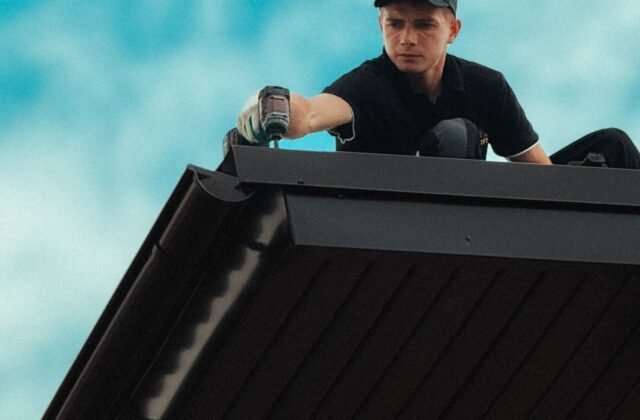
Introduction
Metal roofing sits in an awkward middle ground for DIY: the materials are straightforward, the math is simple, and plenty of homeowners have done it well — but the panels are long, the roof is high, and mistakes are expensive and visible for decades. Whether DIY makes sense depends on the roof, not the person: simple low roofs are reasonable projects; steep, high, or complex roofs are not.
Whatever you decide, start with accurate quantities from the Metal Roof Calculator — measured per the estimating guide. The DIY-vs-pro decision is about labor, and labor is priced against the same panel counts and roof area either way.
DIY vs Pro at a Glance
| Factor | DIY | Professional |
|---|---|---|
| Labor cost | $0 (your weekends) | $3–$10 per ft² depending on profile |
| Material cost | Retail; no contractor discount | Often 10–20% less via supplier relationships |
| Speed | Days to weeks for an average house | 1–3 days for a typical crew |
| Workmanship warranty | None — you own every leak | Typically 2–10 years on labor |
| Manufacturer warranty | Often limited without certified installation | Full warranty when installed to spec |
| Safety risk | Yours entirely | Crew carries insurance and fall protection |
| Best suited to | Simple, low, small roofs | Everything else |
When DIY Is Reasonable
DIY metal roofing works when the roof forgives beginner slowness and the consequences of a mistake stay small:
- Single-story, walkable pitch (6/12 or less). You can move safely, stage materials at the eave, and recover from errors without drama.
- Simple gable rectangle. No hips, no valleys, no dormers — just straight panel runs where the main skill is keeping courses square.
- Short panels (under 16 ft / 5 m). Manageable with two people; no flatbed logistics or four-person carries.
- Exposed-fastener profiles. Corrugated and R-panel are the most DIY-friendly: the fastening is intuitive and mistakes are visible immediately.
- Outbuildings first. A shed or garage is the ideal training roof — same techniques, low stakes, and any cosmetic flaws face the backyard.
Even on a friendly roof, budget honestly: the cost guide shows DIY saves the labor line (roughly 45–60% of a pro bid) but you pay retail for materials, buy or rent tools (nibbler/shears, screw guns, fall protection, brake for trim), and spend several weekends. On a 1,920 ft² roof at $5/ft² labor, that’s ~$9,600 of avoided labor against several hundred in tools and a month of weekends. Value your time realistically — a pro crew finishes in days what takes a DIYer weeks of after-work and weekend hours, and every week the roof sits partially done is a week of weather exposure.
When to Hire a Professional
Some roofs cross thresholds where DIY stops being thrifty and starts being risky. Hire when any of these apply:
- Two stories or higher. Fall consequences scale with height; pros carry harnesses, anchors, and insurance as a matter of routine.
- Steep pitch (above 8/12). Footing, staging, and panel control all get materially harder; this is where most DIY injuries happen.
- Long panels (over 20 ft / 6 m). A 26 ft panel in a gust is a sail. Pros have the crew size and the handling practice; a two-person DIY team does not.
- Complex roofs. Hips, valleys, dormers, and skylights multiply cutting, flashing, and leak-risk details — the exact work where experience shows.
- Standing seam as a first project. Concealed-clip layout, seaming, and thermal-movement detailing are unforgiving of beginners. It’s a learnable system, but not an ideal first roof.
- Warranty or insurance requirements. Some manufacturers limit material warranties without certified installation, and some insurers ask for pro installation on primary residences.
The Safety Threshold
Roofing has one of the highest injury rates in construction, and falls are the mechanism. The honest self-assessment: if the roof requires fall protection to work on safely (steep, high, or both), and you don’t already own and know how to use a harness, anchor, and rope system, that alone is reason to hire. A pro crew’s insurance and equipment exist because the risk is real, not because they’re cautious people.
Minimum DIY safety kit for even a friendly roof: harness and rated anchor, non-slip footwear, eye protection when cutting, gloves for handling cut edges (they’re razor sharp), and a helper on the ground. Never work on a wet metal roof — it is effectively ice.
The Middle Path
DIY and full-service pro aren’t the only options:
- DIY the estimating and ordering, pro the install. Accurate quantities from the calculator plus a supplier order you manage yourself, installed by a labor-only crew. You keep material control; they bring speed and warranty.
- Pro the complex parts. Some contractors will flash the valleys, chimneys, and penetrations while you run the field panels — ask; the answer varies by contractor.
- Assist a pro crew. A few contractors welcome an involved homeowner as ground crew. You learn the system, they keep the quality control.
Whichever path you take, the pro tips guide applies — ordering discipline, panel handling, and layout squareness matter identically whether the crew is yours or hired. And before work starts, run the pre-installation checklist: most installation-day problems are ordering-day problems discovered too late.
Related Guides
- Metal Roof Calculator — Complete Guide — the full estimating overview.
- Cost Guide — what DIY actually saves, line by line.
- Pro Tips — installation practices worth knowing either way.
- Pre-Installation Checklist — verify everything before work starts.
- Metal Roof Calculator FAQ — quick answers on the project.
Decide by the Roof
A single-story gable shed roof is a fine first metal project; a two-story 10/12 standing seam roof is a fine project to pay a professional for. Match the decision to the roof’s height, pitch, complexity, and panel length — not to your enthusiasm. Then get your quantities from the Metal Roof Calculator, price both paths honestly, and choose with the numbers in front of you.
Open the Metal Roof Calculator
Disclaimer: Calculator results are planning estimates based on the dimensions you enter. Roofing work involves significant fall and injury risk — assess your skills, equipment, and the specific roof honestly. Consult a licensed roofer or contractor for installation decisions, verify warranty and insurance requirements, and check local building code requirements before starting work.