Introduction
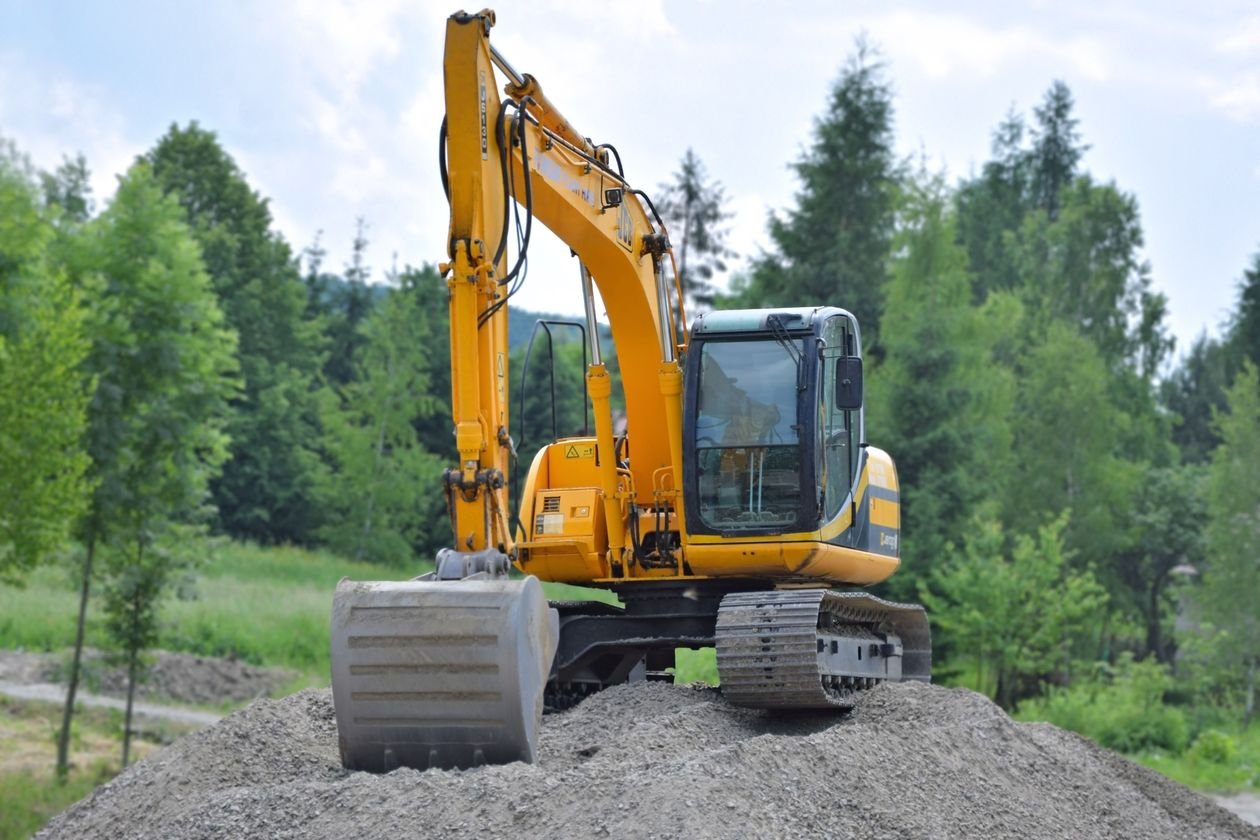
Ask an estimator what a dig will cost and their first question is always about the ground — because the ground sets the production rate, the swell factor, and whether rock pricing applies. How do soil and rock types change excavation cost? Loose topsoil digs fast and trucks light; wet clay digs slow and trucks heavy; shale needs ripping; solid rock needs a hammer and a different price book entirely. This guide classifies the ground you’ll meet, with diggability, swell, and disposal notes for each.
The Excavation Cost Calculator computes your volumes from the cut dimensions — but the rate you enter should reflect the ground class below, and the swell factor you apply comes straight from this page’s table. Classify first, price second.
The Ground Classes at a Glance
| Class | Material | Diggability | Swell factor | Disposal notes |
|---|---|---|---|---|
| A | Topsoil, loam | Easy | 1.15–1.25 | Valuable — save for landscaping |
| B | Sand, loose gravel | Easy–moderate | 1.15–1.25 | Clean fill value; caves — slope or shore trenches |
| C | Clay, silt | Moderate | 1.25–1.35 | Heavy when wet; poor structural fill |
| D | Dense gravel, hardpan, till | Hard | 1.25–1.35 | Good fill; slow digging, high wear |
| E | Shale, weathered rock | Very hard | 1.35–1.50 | May need ripping; usable as fill if broken down |
| F | Solid rock | Hammer/blast only | 1.50–1.70 | Heavy tipping; sometimes crushed for aggregate |
Topsoil and Loam (Class A)
The dark, organic upper layer — typically the top 15–30 cm (6–12 in). It digs easier than anything else, with full buckets and fast cycles, and its swell is the lowest of any soil. Its real value is as a material: never mix topsoil into general spoil if you can avoid it. Strip it first, stockpile it separately, and respread it for lawns and planting beds at the end — importing equivalent topsoil later costs $20–$45 per loose yd³ delivered. A dig that buries its own topsoil under subsoil spoil pays for the mistake twice.
Sand and Loose Gravel (Class B)
Easy digging with a catch: it won’t stand up. Dry sand and loose gravel slough to their angle of repose (roughly 30–35°), so trenches need sloping or shoring, which widens the cut and adds volume — a 1 m (3 ft) wide trench spec can become a 3 m (10 ft) wide excavation at the surface in deep sand. Budget the extra volume honestly rather than discovering it mid-dig. On the plus side, sand drains well (rarely a dewatering problem), trucks at predictable weights, and clean sand and gravel have genuine value as fill — nearby sites will often take it free, saving tipping fees. Swell runs 1.15–1.25.
Clay and Silt (Class C)
The most common “problem soil” in residential excavation. Dry clay digs moderately — firm, holds a trench wall well — but wet clay is a different material: sticky, heavy, slow to load, and brutal on truck weight limits. A tandem truck that carries 14 loose yd³ of dry soil may legally carry only 10–11 of saturated clay, pushing load counts up 25–40% with no change in the hole. Tipping fees charged by the ton climb in lockstep. Clay is also poor structural backfill — it holds water against foundations — so engineers often specify importing granular fill for backfill around structures, adding $15–$40/loose yd³. If your site is clay, check the moisture condition honestly and price the wet case; the pro tips guide covers timing digs for dry conditions.
Dense Gravel, Hardpan, and Glacial Till (Class D)
Hard digging without quite being rock: bucket teeth wear fast, bucket fill drops, and cycle times stretch. Production in hardpan can run half the rate of easy soil with the same machine — which is why per-yard rates for Class D ground run 30–60% above loam. The material itself is excellent, though: dense, well-graded gravel and till make superb structural fill and road base, so spoil often has value to other sites. Swell 1.25–1.35. The judgment call on Class D ground is machine size — a mini-excavator will struggle where a 20-ton machine walks through, and upsizing the machine is usually cheaper than enduring the small one’s production rate.
Shale and Weathered Rock (Class E)
The transition zone: too hard for efficient bucket digging, not quite hard enough to demand a hammer everywhere. Rippable shale can be broken with a dozer ripper or an excavator ripper tooth at far lower cost than hammering — roughly $200–$400/hour all-in versus $1,500–$4,000/day for hammer rental on top of the machine. The key question is rippability, which a test pit answers in an afternoon: if a large excavator can break it, price ripping; if it just scratches the surface, you’re in Class F. Swell runs 1.35–1.50, and broken shale makes acceptable general fill. Never let a bid price Class E ground at soil rates “and see how it goes” — that’s the setup for the rock change order described in the common mistakes guide.
Solid Rock (Class F)
Granite, basalt, hard limestone, massive sandstone — ground that requires a hydraulic hammer or blasting. Everything about rock excavation is a multiple of soil: production of 20–60 bank yd³/day versus 300–600, hammer rental of $1,500–$4,000/day on top of the excavator, planning rates of $150–$400+ per bank yd³, and swell of 1.5–1.7 that multiplies every truckload. Disposal is heavy and costly, though in some markets crushed rock has aggregate value. Blasting, where permitted, runs $5,000–$15,000+ per mobilization plus per-yard charges and is heavily regulated — rarely a residential option. The only safe way to price rock is a written rock clause with a pre-agreed unit rate, agreed before mobilization. Anything else is a change order waiting to happen.
How Ground Class Flows Into the Estimate
Three numbers in every excavation estimate come directly from this page:
- The per-yard digging rate — rises with class, from easy-soil rates to rock multiples. The cost guide brackets each.
- The swell factor — converts bank to loose volume for trucking and disposal. Using 1.25 for soil that swells 1.35 undercounts loads by 8%.
- The disposal value or cost — topsoil and clean gravel offset costs; wet clay and rock inflate them.
And one meta-lesson: ground class is a field observation, not a guess. A test pit, a boring log, or at minimum a conversation with neighbors who have dug nearby beats any assumption. The cheapest soil test is the one that prevents a rock change order. Measurement techniques for verifying what was actually removed are in the estimating guide.
Related Guides
- Complete Excavation Guide — cost drivers, equipment, and soil classes in one overview.
- Excavation Pricing Guide — per-yard rates by ground class.
- Formulas Explained — where the swell factors go in the calculation chain.
- Pro Tips — soil testing and bid practices that handle ground risk.
- Common Mistakes — what underestimating rock and skipping tests costs.
- Pre-Excavation Checklist — soil check and spoil planning before work starts.
Get Your Number
Classify the ground, pick the swell factor from the table, choose the rate that matches the class — and the estimate builds itself. The Excavation Cost Calculator runs the volume math; this guide supplies the ground knowledge that makes the rate honest. When in doubt about what’s below the surface, dig a test pit — it’s the highest-return hour in the whole project.
Disclaimer: Calculator results are planning estimates based on the dimensions and rates you enter. Actual excavation costs vary with soil conditions, site access, haul distances, and local rates. Verify with local contractors and your local building authority for permits and utility requirements.

2 comments