Introduction
Footing excavation questions cluster around the same dozen topics: how the volume is computed, what each input really means, how soil swell affects trucking, what it costs, and what the code requires. This FAQ collects the full set in one place — short answers first, with links to the in-depth guides where a topic deserves more.
For the numbers behind any answer here, the Footing Excavation Calculator runs the complete sequence — bank volume, overdig, unit conversion, and loose haul volume — from your trench dimensions. Start with the complete guide if you want the full workflow before the Q&A.
Volume and Measurement Questions
How do I calculate footing excavation volume?
Multiply total trench length × trench width × trench depth, then add an overdig allowance (typically 10%). Trench width is the footing width plus 15–30 cm (6–12 in) of working room per side; trench depth is the footing depth plus any over-excavation. That gives bank volume — multiply by the swell factor (×1.2–1.3) for the loose volume trucks haul.
How is trench length measured on an L-shaped foundation?
Split the plan into rectangles and add their runs, or trace one continuous outside perimeter — either way, each corner is counted once. Measuring two runs through the same corner double-counts one trench-width square × depth of soil per corner.
Why is the trench wider than the footing?
Working room: forms, rebar, and workers need 15–30 cm (6–12 in) of space on each side of the footing. The excavator digs the working width, so the estimate must use it — estimating on footing width alone undercounts soil by 25–50%.
What overdig percentage should I use?
10% is the standard default for clean machine work in firm soil. Use 5–10% for ideal conditions, 10–20% for sandy, loose, or wet ground that caves, and 15–25% for rocky ground or poor access.
How do I convert cubic meters to cubic yards?
Divide cubic meters by 0.7645549 (multiply by ~1.308). One cubic yard equals 27 cubic feet. Keep the volume and any unit rates in the same system — never mix a metric volume with an imperial rate.
Soil, Swell, and Hauling Questions
What is the difference between bank and loose volume?
Bank volume is soil in the ground; loose volume is soil after digging, swollen by entrained air. Loose ≈ bank × 1.2–1.3 depending on soil type. Digging quotes use bank volume; truck sizing and disposal fees use loose volume.
What swell factor should I use for my soil?
As planning figures: sand and gravel 1.05–1.15, loam and silt 1.15–1.25, clay 1.20–1.35, fractured rock 1.40–1.60. When disposal is charged per load, use the high end of your soil’s range; the material guide details soil behavior.
How many truckloads will my trench produce?
Divide the loose volume by the truck’s capacity and round up. Example: 43.5 loose yd³ ÷ 12 yd³ trucks = 3.6 → 4 loads. Always round up — a partial load still costs a trip.
Should I keep the excavated soil or haul it away?
Keep it if you have stockpile space and it’s suitable backfill — you need bank volume minus the footing’s concrete volume for backfilling anyway. Haul the surplus, or everything on tight lots, based on the loose volume.
Cost and Method Questions
How much does footing excavation cost?
Illustrative planning ranges (not quotes): machine digging roughly $60–$160 per bank yd³ in ordinary soil, haul-off roughly $300–$600 per 10–12 yd³ load including disposal, backfill and compaction roughly $40–$100 per bank yd³. A typical house trench often lands in the $4,000–$10,000 range all-in — but soil, rock, access, and local rates move these substantially. The cost guide works a full example.
Can I dig footing trenches by hand?
Short runs in soft soil, yes. A full house perimeter is typically 20–60+ yd³ of soil — days of hard labor versus hours with a mini-excavator. The DIY vs pro guide compares hand digging, machine rental, and hiring an operator.
Mini-excavator or full-size excavator?
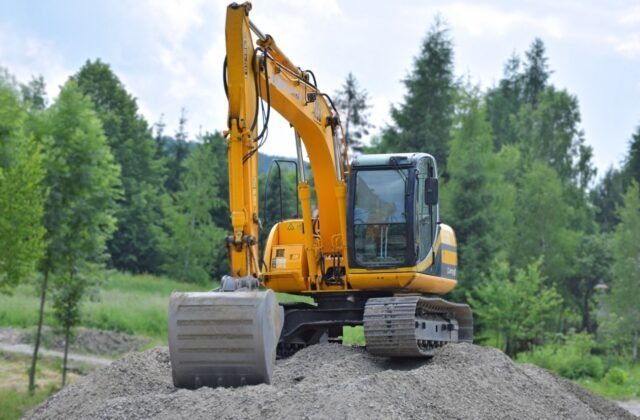
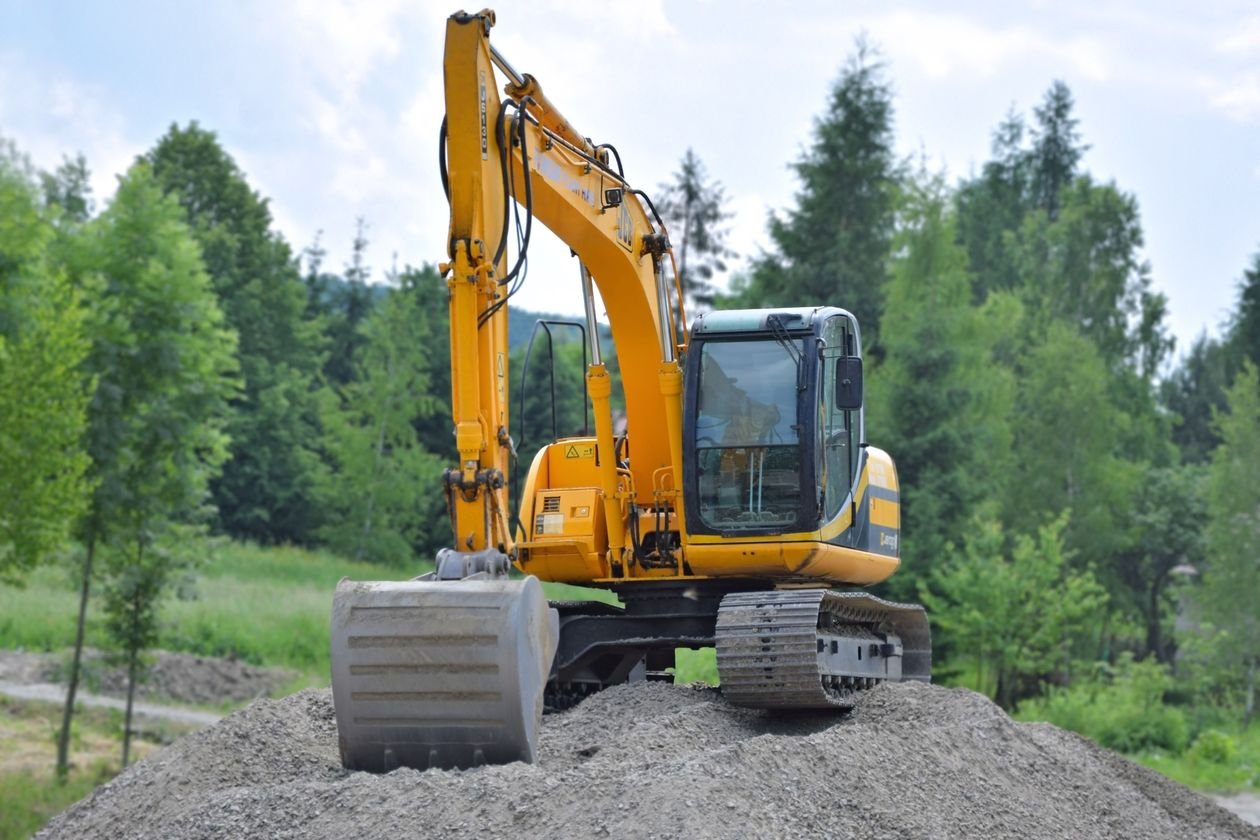
Mini-excavators suit residential footing trenches: they fit tight lots, dig 2–3 m deep easily, and cost less per day. Full-size machines are for deep, wide, or high-volume digs where cycle speed matters more than maneuverability.
Code and Safety Questions
How deep must footing trenches be?
Below the local frost line and onto undisturbed bearing soil — the exact depth is set by your local building code and soil conditions. Confirm it with your local building authority; no calculator sets code minimums. See the code compliance guide.
Do I need a permit to dig footings?
Footing excavation is usually part of the building permit for the structure, and most jurisdictions require inspections of the open trench (depth, width, soil bearing) before concrete is placed. Check with your local building authority before digging.
Do I need to call before I dig?
Yes — in the US call 811 (or your country’s equivalent utility-locate service) before any excavation. It’s typically free and legally required. Never assume you know where buried lines run.
Is trench shoring required?
It depends on depth, soil, and local regulations — deeper trenches and unstable soils trigger shoring, sloping, or stepping requirements. Treat anything beyond a shallow trench in firm soil as a safety-design question for a qualified professional, not a DIY judgment call.
Related Guides
- Complete Guide — the full footing-trench volume workflow, end to end.
- Cost Guide — what drives excavation pricing and typical planning ranges.
- DIY vs Pro — hand digging, mini-excavator, or hiring out.
- Code Compliance — frost depth, permits, inspections, and locates.
- Material Guide — soil types, swell factors, and backfill selection.
Get Your Number
If your question wasn’t answered here, the in-depth guides cover each topic fully — start with the complete guide for the workflow and the Footing Excavation Calculator for your actual numbers. Verify code-driven depths with your local building authority and get local quotes before committing to a machine.
Disclaimer: Calculator results are planning estimates based on the dimensions you enter. Actual excavation volumes vary with site conditions, soil type, and trench accuracy. Verify volumes on site and consult a licensed professional or your local building authority for structural, soil, or code-related decisions.