Introduction
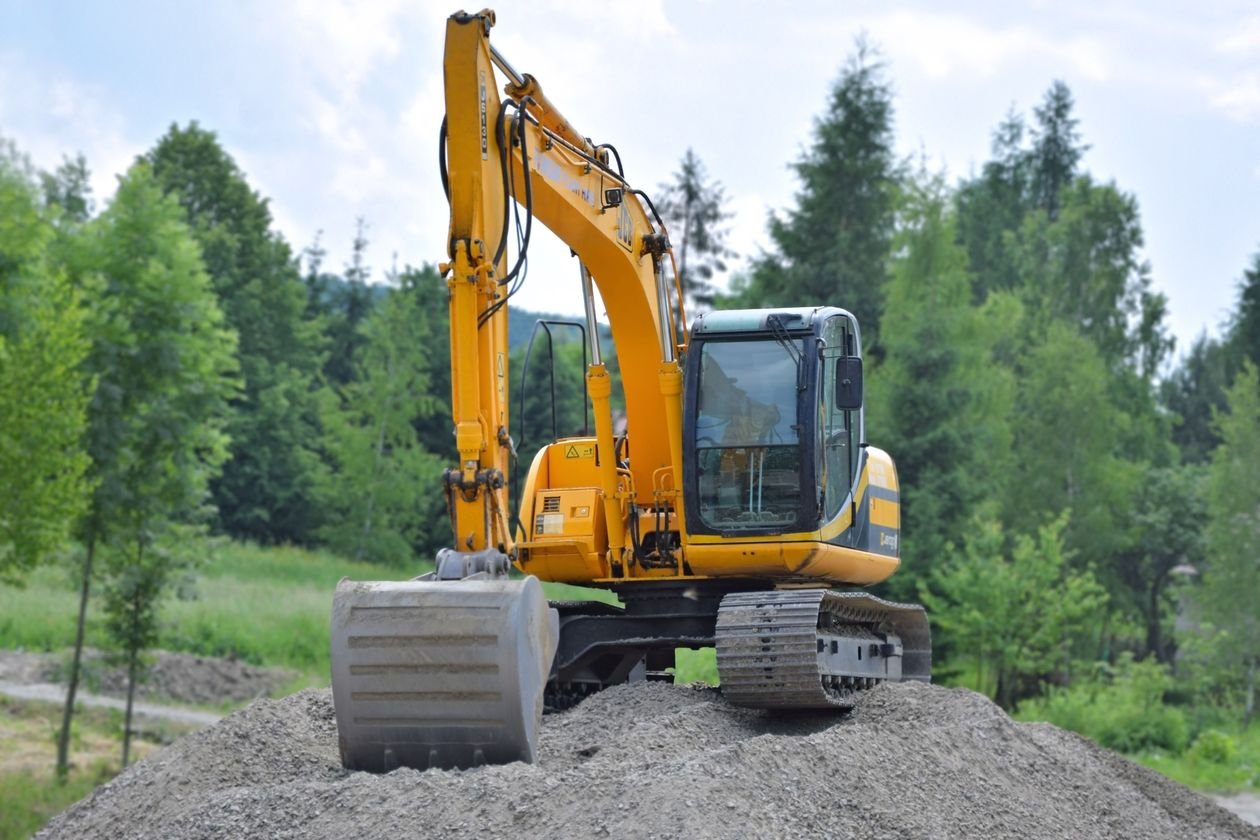
Three ways to dig a footing trench — by hand, with a rented mini-excavator, or by hiring an operator — and the right choice depends on the trench’s volume, your soil, your site access, and how you value your time. Pick wrong and you either spend a week with a shovel on a machine-sized job or pay machine rates for a trench you could have dug in a weekend.
The Footing Excavation Calculator gives you the decision’s key input: the bank volume in cubic yards or meters. This guide maps that number — plus soil and site realities — to the right method, with honest cost and time comparisons. All costs are illustrative planning ranges; local rates vary.
The Three Options at a Glance
| Method | Best for | Typical pace (planning) | Illustrative cost |
|---|---|---|---|
| Hand digging | Short runs, soft soil, tight spots machines can’t reach | ~1–2 m³ per person-day | Sweat equity + tools |
| Rented mini-excavator | Full residential perimeters in ordinary soil | ~10–20 bank m³ per day | ~$300–$600/day + delivery + fuel |
| Hired operator | Large, deep, rocky, or difficult-access digs | ~10–20+ bank m³ per day | ~$800–$1,500/day or $60–$160/yd³ |
Pace figures are planning estimates for ordinary soil — rock, water, and tight access cut them significantly. The cost guide breaks down full project budgets.
Key Terms and Variables
Bank Volume
The trench’s in-ground volume — L × W × D × (1 + overdig%). This is the number that decides the method: under ~5 m³ hand digging is plausible; above ~15 m³ a machine is strongly favored.
Loose Volume
Bank × swell factor (×1.2–1.3) — the spoil you must move, pile, or haul regardless of digging method. Hand-dug soil still needs wheelbarrowing and loading.
Working Room
The 15–30 cm (6–12 in) per side that makes the trench wider than the footing — and every method’s volume bigger than the footing’s footprint suggests.
Mobilization
Getting equipment to site: rental delivery fees or an operator’s minimum charge. It dominates small-job economics — a half-day minimum can exceed the digging itself.
The Formulas Involved
Formula 1: Bank volume — the decision input
V = L × W × D × (1 + Overdig%). Compute it first; the method decision flows from it. A 30 m perimeter trench at 0.9 m × 0.6 m with 10% overdig = 30 × 0.9 × 0.6 × 1.10 = 17.82 m³ (23.31 yd³) — machine territory by any measure.
Formula 2: Time estimate
Days = Bank volume ÷ daily production. That 17.82 m³ trench: ~1–2 days with a mini-excavator, or ~9–18 person-days by hand. The arithmetic makes the choice vivid.
Formula 3: Loose volume — the spoil reality
V_loose = V_bank × swell. Every method produces the same spoil; only who moves it changes. Hand-dug clay at ×1.25 still fills the same trucks. The derivation is in the formula-explained guide.
Worked Example: 30 m Trench, Three Ways
Trench: 30 m perimeter, 0.9 m wide, 0.6 m deep, 10% overdig, 1.25 swell → 17.82 m³ (23.31 yd³) bank, 29.14 yd³ loose → 3 truckloads at 12 yd³:
Step 1 — By hand. 17.82 ÷ 1.5 m³/person-day ≈ 12 person-days of digging, plus wheelbarrowing 29 loose yd³ to a pile or truck. Feasible for a crew; brutal solo.
Step 2 — Rented mini-excavator. 17.82 ÷ 15 m³/day ≈ 1.2 → 2 rental days at illustrative $300–$600/day + ~$150 delivery + fuel ≈ $750–$1,350 for the digging, operator included (you).
Step 3 — Hired operator. 23.31 yd³ × illustrative $100/yd³ ≈ $2,331, done in 1–2 days with no learning curve and none of your weekends.
Cross-check in imperial — 98.43 ft × 2.953 ft × 1.969 ft = 572.2 ft³ = 21.19 yd³ bank; × 1.10 = 23.31 yd³, matching the metric result. Loose = 23.31 × 1.25 = 29.14 yd³ → 3 loads.
Practical takeaway: the rental beats hand digging on time by roughly 6–10× for about $1,000; the hired operator beats the rental on skill and speed for roughly 2× the money. The break-even between rental and pro is usually your confidence operating the machine around utilities and foundations — the pre-dig checklist covers the locate and layout steps either way.
Common Variations
- Rocky soil: hand digging is off the table; a rental mini may lack the breaker power — this is hired-operator (or specialist) territory, priced accordingly.
- Tight access: if a mini-excavator can’t reach the trench line, hand digging the inaccessible sections and machine-digging the rest is a legitimate hybrid.
- Deep frost-line trenches: depth favors machines heavily — hand-digging a 1.2 m deep trench means lifting every shovelful over a meter, which destroys the pace figures above.
- Small projects (decks, porches): short runs in soft soil are the hand-digging sweet spot — a rented machine’s delivery fee can exceed the job’s value.
- First-timers: budget a learning curve on the rental (slower first day, rougher trench walls → higher overdig). Honest self-assessment belongs in the estimate.
Mistakes That Distort Results
- Choosing the method before computing the volume. Decide from the bank volume, not from optimism. 17.82 m³ is not a “weekend with a shovel” for one person.
- Forgetting spoil handling in DIY plans. Digging is half the job; moving 29 loose yards of soil to a pile or truck is the other half.
- Renting without checking access. Measure gates, slopes, and overhead clearance before the delivery truck arrives — a machine that can’t reach the trench is an expensive lawn ornament.
- Digging before utility locates. Applies to every method, including hand digging. Call before you dig — the code compliance guide covers the requirement.
- Ignoring the learning curve. First-time operators dig slower and rougher; budget extra time and a higher overdig allowance.
- Comparing rental day-rate to pro per-yard rate directly. Convert both to total cost for your volume, including delivery, fuel, your time, and haul-off — which is identical regardless of who digs.
Related Guides
- Cost Guide — full budget breakdowns for each method.
- Code Compliance — locates, permits, and inspection requirements.
- Pre-Dig Checklist — the sequence before any method starts.
- Pro Tips — field habits for whichever method you choose.
- Material Guide — how soil type affects the decision.
Frequently Asked Questions
Is it cheaper to dig footings by hand or rent an excavator?
For anything beyond a short run, the rental wins on economics: ~$750–$1,350 for two rental days versus ~12 person-days of labor for a 17.8 m³ trench. Hand digging wins only on very small trenches where delivery fees dominate.
Can a beginner operate a rented mini-excavator?
Many first-timers do, for simple trenching in clear ground — but budget a slower first day, rougher walls (higher overdig), and extra caution around utilities and existing structures. Complex, deep, or rocky digs belong to experienced operators.
How do I dispose of soil from a DIY dig?
Same math as a pro job: loose volume (bank × swell) ÷ truck capacity, rounded up — then hire haul-off by the load, or arrange a disposal site that accepts clean fill. Some landscapers and fill sites take clean soil free.
When is hiring an operator clearly the right call?
Rock or boulders, trenches deeper than ~1 m, tight or sloped access, high water table, or any job where your inexperience could damage utilities, the foundation layout, or the schedule. The premium buys skill, speed, and liability you don’t carry.
Does DIY digging need permits and inspections?
The permit and inspection requirements follow the structure, not who digs — footing trenches typically need inspection before concrete regardless of method. Confirm with your local building authority.
Get Your Number
Compute the bank volume, convert it to days for each method, and price all three honestly — including spoil handling, delivery, and your own time. The Footing Excavation Calculator gives you the volume; this guide gives you the framework. Whichever method you choose, call for utility locates first and confirm permit and inspection requirements with your local building authority.
Disclaimer: Calculator results and cost ranges are planning estimates based on the dimensions you enter. Actual excavation volumes, costs, and production rates vary with site conditions, soil type, equipment, and operator skill. Verify volumes on site, get local quotes, and consult a licensed professional or your local building authority for structural, soil, or code-related decisions.

3 comments