Introduction
Weight estimating tells you what the steel weighs. It doesn’t tell you whether the size is adequate, whether the project needs a permit, or whether the welds will pass inspection. Those are code and authority questions — and they vary by jurisdiction, occupancy, and use. This guide maps where the compliance questions live so you ask them in the right place, before the steel is ordered.
The Steel Tube Weight Calculator is a planning tool: it converts your dimensions to pounds and kilograms. It is not a structural design tool and does not determine code compliance. For anything beyond a simple non-structural build, the path runs through a licensed engineer and your local authority having jurisdiction (AHJ).
Structural Sizing Belongs to a Licensed Engineer
This is the single most important compliance point: selecting tube size and wall for structural loads is engineering work, governed in the US by AISC standards (and equivalent standards elsewhere). Beam spans, column loads, connection design, and weld sizing all require analysis of loads, spans, and safety factors that no weight calculator performs. This site provides no structural capacities, no allowable loads, and no span tables — and you should treat any source that offers them without engineering context with skepticism.
Engage a licensed structural engineer for: trailer frames, mezzanine and platform supports, overhead structures, equipment supports with significant loads, handrails and guards in commercial or public settings, and anything a building official flags. The engineer’s deliverables — sized members, connection details, and a sealed drawing — are also what make permits and inspections straightforward. This isn’t optional caution; it’s how the building code system assigns responsibility for structural safety. Material grade basics are in the material guide.
Permits and the AHJ
Whether your project needs a permit depends on your local authority having jurisdiction — city, county, or state rules that differ widely. Common triggers for steel work:
- Structural modifications to buildings: mezzanines, added supports, rooftop equipment frames.
- Commercial handrails and guards: height, strength, and spacing requirements are code-specified and inspected.
- Change of use or occupancy involving new steel structure.
- Work in regulated environments: schools, healthcare, and public assembly have additional requirements.
Simple non-structural projects — a workbench, a storage rack in your own garage — typically fall outside permit requirements, but “typically” is doing heavy lifting in that sentence: confirm with your local building department before building, not after. A five-minute call beats a stop-work order. The FAQ covers the short version of when an engineer is needed.
When Permits Usually Aren’t Required
Not every steel project triggers the permit process. Simple non-structural builds on your own property — a workbench, a storage rack in your garage, a garden trellis frame — typically fall outside building-permit requirements in most jurisdictions, since no structural system is modified and no public safety question arises. “Typically” and “most” are doing real work in that sentence, though: homeowners’ association rules, local welding or fire codes, and rental-property restrictions can still apply. The safe habit is a quick check with your local building department before starting anything you’re unsure about — a five-minute call that costs nothing and occasionally saves a project. When in doubt, the default should be to ask, not to assume.
Trailers and Road Use
Trailers live at the intersection of structural design and vehicle regulation. Beyond the frame engineering, road-going trailers face requirements on lighting, brakes (above certain weight thresholds), coupling, safety chains, fenders, and registration — and the thresholds and specifics vary by state and country. A trailer’s gross vehicle weight rating (GVWR) includes the trailer’s own steel weight, which is exactly what the weight calculator helps you determine: weigh the frame design, add axles, deck, and payload, and check the total against the applicable regulatory thresholds with your motor vehicle authority. Do not guess at these numbers; the consequences of an overloaded or non-compliant trailer are legal as well as physical.
Welding Qualifications and Inspection
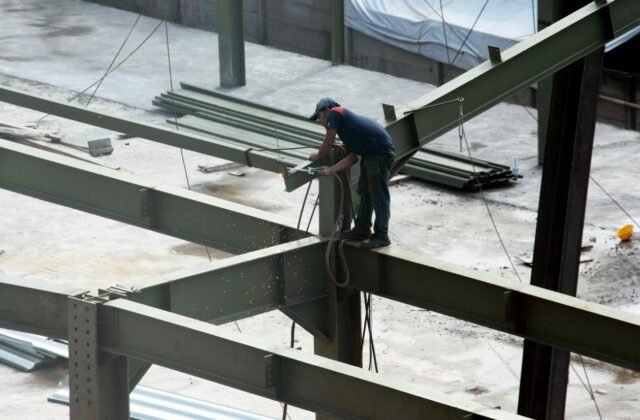
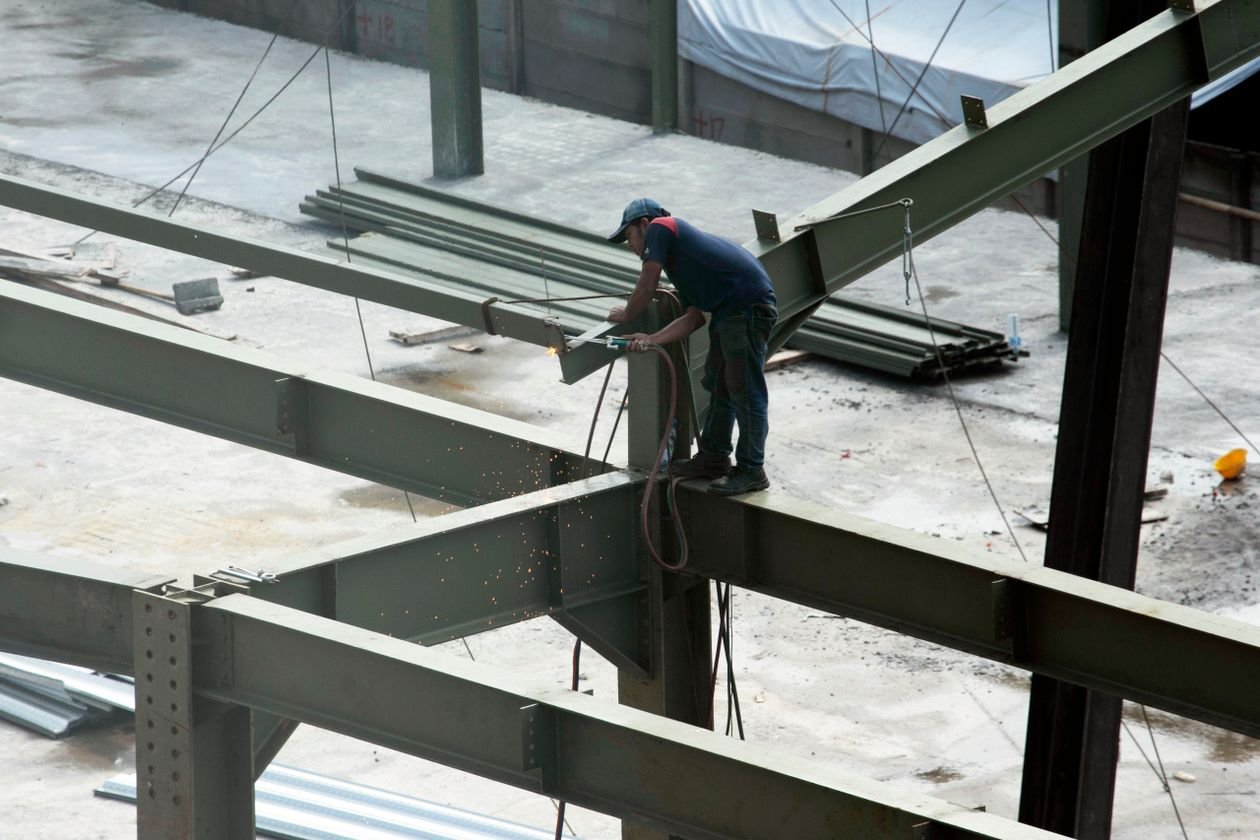
On permitted structural work, welding is typically required to meet AWS D1.1 (structural welding code — steel) or the applicable local standard, performed by qualified welders, with inspection as the AHJ requires. This is a different world from a garage MIG on a workbench: procedures, welder qualification records, and sometimes third-party inspection. If your project is heading for a permit, discuss welding requirements with the engineer and the building department before fabrication starts — retroactive qualification is expensive or impossible. The DIY vs pro guide helps you decide who should do the welding.
Documentation to Keep
For any project that might face an official question — permitted work, commercial work, trailers — keep a project file:
- Mill test reports (MTRs) documenting the steel grade (A500, A1085, etc.).
- Engineered drawings with the professional’s seal, where applicable.
- Permit cards and inspection sign-offs from the AHJ.
- Welder qualifications if structural welding was specified.
- Weight calculations — your calculator outputs — supporting freight, handling, and GVWR documentation.
None of this is burdensome if collected at the time; all of it is painful to reconstruct later. A documentation pass is also built into the order checklist.
Related Guides
- Material Guide — grades, finishes, and picking the right tube.
- FAQ — quick answers including when an engineer is required.
- DIY vs Pro — who should build it, decided honestly.
- Order Checklist — everything to verify before you buy.
- Complete Guide — the full overview of tube weight estimating.
Get Your Number
Compliance starts before the first cut: confirm whether the project needs engineering, check permit requirements with your AHJ, and keep the documentation. The Steel Tube Weight Calculator supplies the weight side of the paperwork — pounds and kilograms for the frame design, the freight quote, and the GVWR math. Get the official answers early; steel is much cheaper than rework.
Disclaimer: Calculator results are planning estimates based on the dimensions you enter. This guide is general information, not engineering or legal advice. Code requirements vary by jurisdiction — verify with your local authority having jurisdiction and consult a licensed professional for structural design and code-related decisions.