Introduction
A brick wall’s price tag has four moving parts: the bricks themselves, the mortar, delivery, and labor — and on larger jobs, the foundation and scaffolding behind them. Most people price only the bricks and get surprised by the rest. This guide breaks down each cost component as a typical planning range, shows how the brick count from the Brick Wall Calculator converts into a budget, and flags the regional variables that move the numbers.
All costs below are typical planning ranges for the US market in 2026, not quotes — brick prices vary sharply by region, color, and availability. Always confirm with local suppliers before budgeting. The estimating mechanics behind the quantities are covered in the estimating guide.
What Drives Brick Wall Cost
Five factors dominate the final price, roughly in order of impact:
- Brick unit price. Standard modular bricks typically run $0.50–$1.50 per brick at retail, with premium, handmade, or thin architectural units costing several times more. Color and texture are price drivers — a common red modular is the floor; glazed or custom-blend units are the ceiling.
- Wall thickness (wythes). A double-wythe structural wall needs twice the bricks and roughly twice the mortar of a single-wythe wall — the single biggest step-change in material cost.
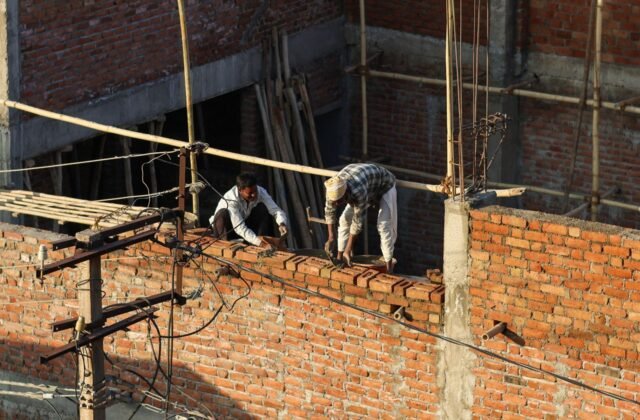
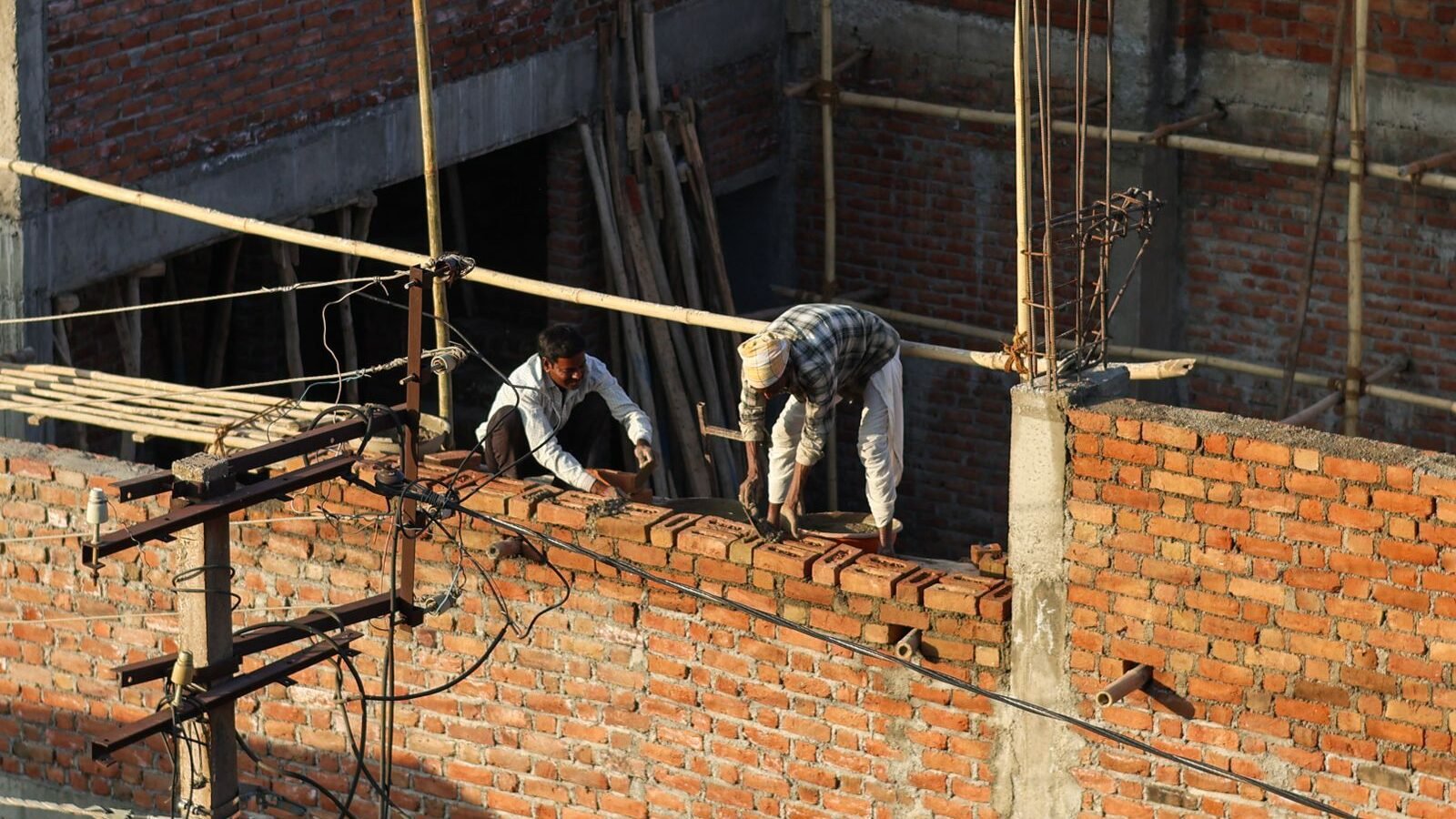
- Labor. Masonry is labor-intensive: laying, jointing, and cleanup. Professional installation commonly exceeds the material cost on residential jobs, especially for complex bonds or tall walls needing scaffolding.
- Mortar and accessories. Mortar mix, sand, wall ties, weep-hole vents, and flashing are individually cheap but add up — budget them as a line item, not an afterthought.
- Delivery and access. Bricks ship by the pallet (typically ~500–550 modular bricks per pallet). Short loads, crane offloads, and difficult site access add fees.
Cost Component Breakdown
Bricks
Multiply your final brick count (including waste) by the local per-brick price. For the worked example below — 108 bricks — that’s roughly $54–$162 at $0.50–$1.50 per brick. Buying by the pallet is usually cheaper per unit than buying loose bricks; a full pallet of ~500 modular bricks at a mid-range $0.80 works out near $400 before delivery.
Mortar
An 80-lb bag of premixed mortar typically costs $8–$15 retail. At the standard rate of 7–8 bags per 1,000 bricks, mortar is a small fraction of the material bill on brick-heavy jobs — but on small garden walls it can be a visible line item. For the example wall (1 bag), budget $8–$15.
Sand, cement, and lime (scratch mixing)
Mixing mortar from raw ingredients (Portland cement, hydrated lime, masonry sand in the Type N 1:1:6 ratio — see the material guide) is economical at scale but only pays off above a few hundred bricks; below that, premixed bags win on convenience and consistency.
Accessories
Wall ties for cavity or veneer construction, weep-hole tubes or vents, through-wall flashing, and lintels over openings. None are expensive per unit, but a wall with several openings can accumulate $50–$200 in accessories. Lintels (steel angles over doors and windows) are the priciest single accessory — get them sized by the opening span.
Delivery
Expect a flat delivery fee in the $75–$200 range for a pallet-scale order within a supplier’s normal radius, with surcharges for crane trucks, long carries, or restricted access. Combining the brick delivery with the mortar and sand on one ticket usually beats two trips.
Labor
Mason labor is typically quoted per 1,000 bricks laid or per square foot of wall face, and rates vary widely by region and wall complexity. As a planning placeholder, installed brickwork often runs $15–$30+ per sq ft of wall face for straightforward residential work — but treat that as a very rough range and get local quotes. Whether the job justifies DIY at all is covered in the DIY vs pro guide.
Worked Example: Budgeting a Small Wall
Take the canonical example: a single-wythe garden wall 5 ft long × 3 ft high (1.52 m × 0.91 m) — 15 sq ft (1.39 m²), 98 bricks gross, 108 bricks with 10% waste, 1 bag (80 lb) of mortar. A mid-range budget:
| Line item | Quantity | Typical range |
|---|---|---|
| Bricks (modular, mid-range) | 108 | $54–$162 |
| Mortar mix (80 lb) | 1–2 bags | $8–$30 |
| Accessories (minimal for a garden wall) | — | $0–$25 |
| Delivery (small load) | 1 trip | $50–$150 |
| Materials subtotal | $112–$367 |
Labor, if hired, would likely exceed the materials on a wall this small — many masons have minimum charges. That minimum-charge economics is exactly why small garden walls are the classic DIY masonry project (with the usual caveats in the DIY vs pro guide).
Where the Money Leaks
Four budget leaks show up again and again in brick projects:
- Under-ordering, then re-ordering. A second small delivery costs nearly as much in fees as the first, and bricks from a different batch can vary in shade. The 10% waste allowance exists to prevent this — see the common mistakes guide.
- Premium brick on a utility wall. A garden retaining wall nobody sees doesn’t need the $3 handmade unit. Match the brick grade to the wall’s visibility.
- Forgetting the foundation. Brick walls need a proper footing below frost line (or an engineered slab edge). Concrete and excavation for the footing can rival the brickwork cost on short walls — the Concrete Calculator estimates that part.
- Scaffolding and access on tall walls. Anything above comfortable reach needs scaffold or pump staging, which is a rental line item DIY estimators routinely miss.
Saving Without Cutting Corners
- Buy full pallets. Per-brick pricing drops at pallet quantities; round your order up to the pallet if you’re close.
- Keep the bond simple. Running bond lays fastest (lowest labor) and wastes least. Flemish and English bonds cost more in both labor and cut-brick waste.
- Batch accessories with the brick order. One delivery ticket beats two.
- Schedule in the shoulder season. Masonry crews are often more available — and more negotiable — outside peak building season.
- Reuse sound salvaged brick for non-structural garden work, but never for structural walls without an engineer’s approval — old bricks vary in strength and may not meet current standards.
Related Guides
- Brick Wall Calculator: Complete Guide — the full overview: terms, formulas, and a worked example.
- Estimating Guide — how to measure walls, piers, and openings accurately.
- Brick Material Guide — brick types, sizes, and mortar selection that drive unit pricing.
- DIY vs Pro — the labor-cost decision in detail.
- Pre-Order Checklist — verify quantities and specs before money changes hands.
- Case Study — a hypothetical project budget, start to finish.
Frequently Asked Questions
How much does a brick wall cost per square foot?
As a very rough 2026 planning range, $15–$30+ per sq ft of wall face installed for straightforward residential work in the US, with materials alone far lower. Regional labor rates move this more than any other factor — get local quotes.
Is it cheaper to build a brick wall myself?
DIY saves the labor portion, which is often the largest cost — but only if your time is free and the wall is non-structural and low. Structural walls, tall walls, and anything needing permits usually justify a licensed mason.
How many bricks are in a pallet, and what does it cost?
A standard pallet holds roughly 500–550 modular bricks. At a mid-range $0.80 per brick that’s about $400–$440 per pallet before delivery — pallet pricing is usually cheaper per brick than loose quantities.
Why do two suppliers quote different brick prices?
Color, texture, manufacturing method, and freight distance all move the price. Always compare the exact same brick specification — and ask whether the quote includes delivery and whether the batch is guaranteed from a single kiln run.
Get Your Number
Start with the brick count from the Brick Wall Calculator, multiply by your local per-brick price, add mortar, accessories, delivery, and labor, and keep a 10% contingency on top of the 10% material waste — small masonry jobs have a way of surfacing extras. Price the materials with two local suppliers, get labor quotes in writing, and only then commit to the budget.
Disclaimer: All costs in this guide are typical US planning ranges for 2026 and vary significantly by region, supplier, brick specification, and labor market. They are not quotes. Verify all pricing locally before budgeting or ordering, and consult a licensed professional or your local building authority for structural or code-related decisions.